
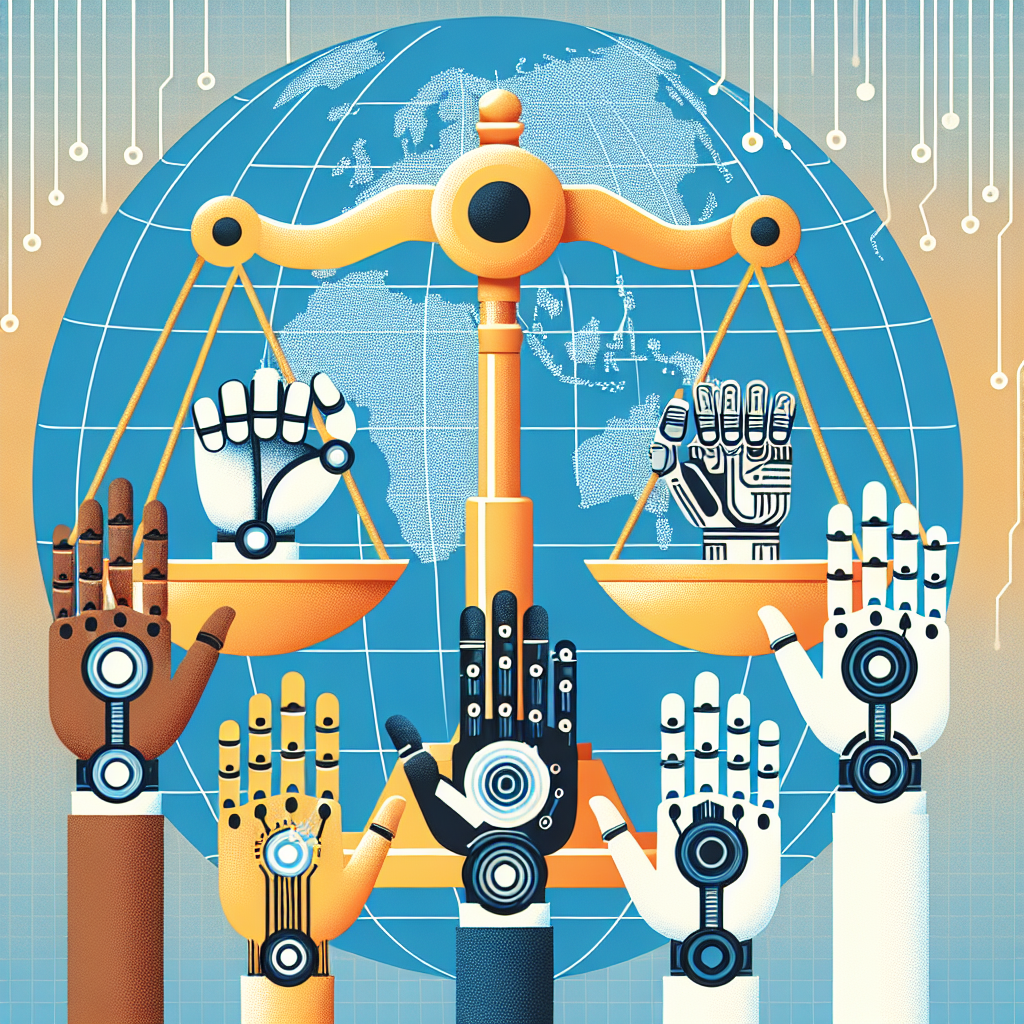
In recent years, Artificial Intelligence (AI) has become an increasingly important tool in various aspects of our lives, from healthcare to finance to entertainment. However, as AI technology continues to advance, concerns about bias and discrimination in these systems have also grown. This article will explore the issue of bias in AI, and how we can work towards democratizing AI to address these issues.
What is bias in AI?
Bias in AI refers to the unintentional or systematic unfairness in the way AI systems make decisions or predictions. This bias can stem from a variety of sources, such as biased training data, biased algorithms, or biased human decision-making in the development process.
For example, if an AI system is trained on data that is not representative of the population it is meant to serve, it may make inaccurate or unfair predictions. This can lead to discriminatory outcomes, such as denying someone a loan or job based on factors like race or gender.
Why is bias in AI a problem?
Bias in AI can have serious consequences for individuals and communities. It can perpetuate and even exacerbate existing inequalities and discrimination, leading to unfair treatment and outcomes for marginalized groups. For example, if a facial recognition system is biased against people of color, it could result in higher rates of misidentification and false arrests for these individuals.
In addition, bias in AI can erode trust in these systems and undermine their effectiveness. If people believe that AI systems are making decisions based on unfair or discriminatory criteria, they may be less likely to use or trust these systems, leading to missed opportunities for innovation and progress.
How can we address bias in AI?
There are several approaches that can be taken to address bias in AI and work towards democratizing this technology:
1. Diverse and representative data: One of the most important ways to mitigate bias in AI is to ensure that training data is diverse and representative of the population it is meant to serve. This can help to reduce the risk of bias in the algorithms and improve the accuracy and fairness of AI systems.
2. Transparency and accountability: It is important for developers and organizations to be transparent about how AI systems are designed and trained, and to be accountable for any bias or discrimination that may arise. This can help to build trust with users and stakeholders, and encourage greater scrutiny of these systems.
3. Fairness and equity considerations: Developers should prioritize fairness and equity considerations in the design and deployment of AI systems. This can involve implementing measures such as fairness-aware algorithms, bias detection tools, and impact assessments to identify and address bias in these systems.
4. Community engagement and collaboration: Engaging with diverse communities and stakeholders can help to identify and address bias in AI systems. By involving a range of perspectives and voices in the development process, developers can ensure that these systems are more inclusive and equitable.
How can we democratize AI?
Democratizing AI means making this technology more accessible, inclusive, and equitable for all people. This involves not only addressing bias and discrimination in AI systems, but also ensuring that the benefits of AI are shared more widely and fairly across society.
One way to democratize AI is to increase diversity and representation in the development and deployment of these systems. By involving a range of voices and perspectives in the design process, developers can help to identify and address bias in AI systems, and ensure that these systems are more inclusive and equitable for all people.
Another way to democratize AI is to promote transparency and accountability in the use of these systems. By being transparent about how AI systems are designed and trained, and by holding developers and organizations accountable for any bias or discrimination that may arise, we can help to build trust with users and stakeholders, and ensure that these systems are used responsibly and ethically.
Additionally, democratizing AI involves promoting education and awareness about this technology, and ensuring that people have the skills and knowledge to engage with AI systems in a meaningful way. By empowering individuals and communities with the tools and resources they need to understand and use AI, we can help to ensure that the benefits of this technology are shared more widely and equitably.
FAQs
Q: Can bias in AI be completely eliminated?
A: While it may be difficult to completely eliminate bias in AI, there are steps that can be taken to mitigate and address bias in these systems. By ensuring that training data is diverse and representative, promoting transparency and accountability in the design process, and prioritizing fairness and equity considerations, we can work towards reducing bias in AI systems and promoting more inclusive and equitable outcomes.
Q: How can individuals and organizations address bias in AI?
A: Individuals and organizations can address bias in AI by being aware of the potential for bias in these systems, and taking steps to mitigate and address bias in their own AI projects. This can involve ensuring that training data is diverse and representative, promoting transparency and accountability in the design process, and prioritizing fairness and equity considerations in the deployment of AI systems.
Q: What role can policymakers play in addressing bias in AI?
A: Policymakers can play a crucial role in addressing bias in AI by implementing regulations and guidelines that promote fairness, transparency, and accountability in the use of these systems. By enacting laws and policies that require developers and organizations to address bias and discrimination in AI, policymakers can help to ensure that these systems are used responsibly and ethically, and that the benefits of AI are shared more widely and equitably across society.