
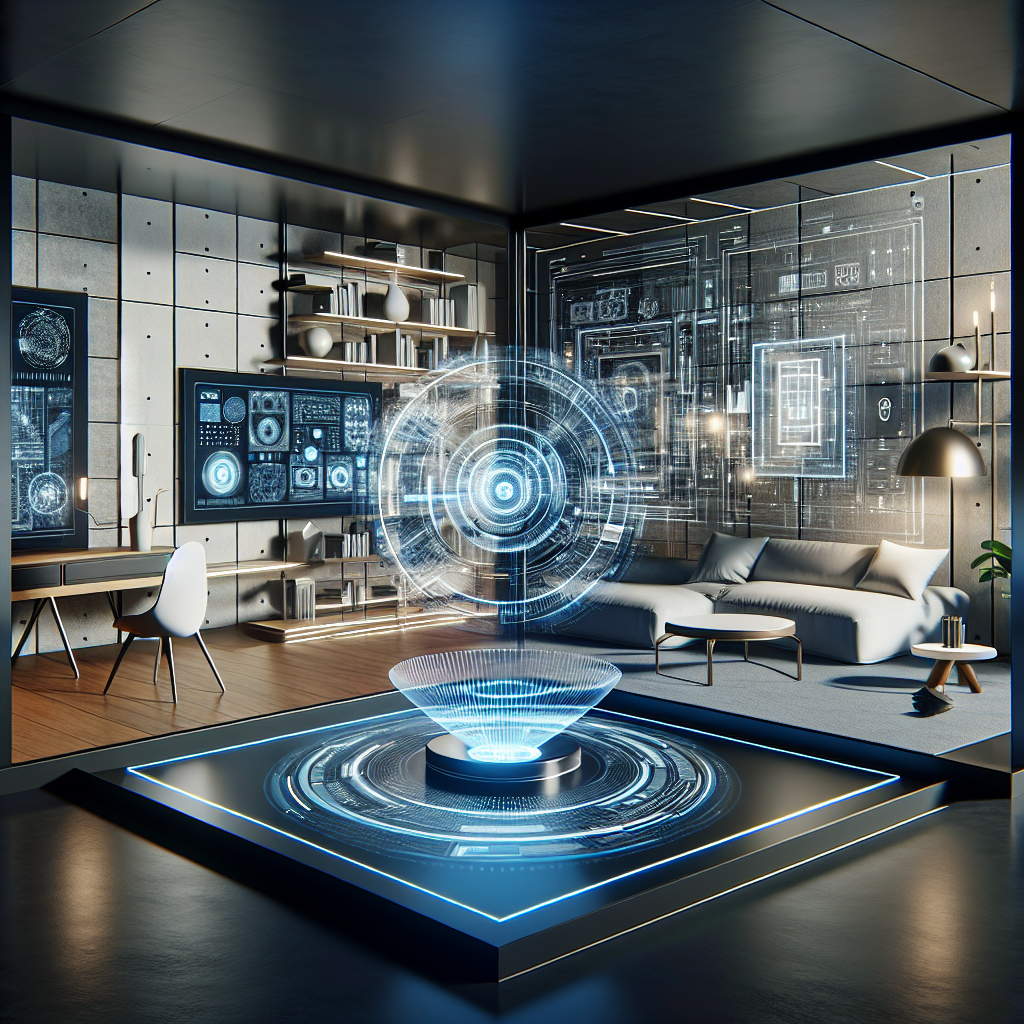
Artificial intelligence (AI) has rapidly transformed various industries, and interior architecture is no exception. AI-driven design strategies are revolutionizing the way architects and designers create spaces, allowing for more efficient and innovative designs that cater to the needs and preferences of clients. In this article, we will explore how AI is being used in interior architecture and the benefits it brings to the field.
AI-driven design strategies in interior architecture involve the use of machine learning algorithms to analyze data and generate design solutions. These algorithms can process vast amounts of information, such as client preferences, building codes, and design trends, to create personalized and optimized designs. By leveraging AI technology, architects and designers can streamline the design process, improve decision-making, and enhance the overall quality of their work.
One of the key benefits of AI-driven design strategies is the ability to generate multiple design options quickly. Traditional design processes can be time-consuming and labor-intensive, as architects and designers manually create and evaluate different design solutions. With AI, however, designers can input parameters such as project requirements, budget constraints, and client preferences, and the algorithm can generate a range of design options in a fraction of the time it would take a human designer.
AI-driven design strategies also allow for greater customization and personalization in interior architecture. By analyzing data on client preferences, behavior, and lifestyle, AI algorithms can create designs that are tailored to the specific needs of each individual client. This level of personalization can result in spaces that are not only aesthetically pleasing but also functional and practical for the people who will be using them.
Another benefit of AI-driven design strategies is the ability to optimize designs for efficiency and sustainability. By analyzing factors such as energy usage, natural light, and material selection, AI algorithms can create designs that are environmentally friendly and cost-effective. This can help architects and designers meet sustainability goals and ensure that their designs have a positive impact on the environment.
In addition to streamlining the design process and improving the quality of designs, AI-driven design strategies can also help architects and designers make better decisions throughout the design process. By providing data-driven insights and recommendations, AI algorithms can help designers identify potential issues, evaluate different design options, and make informed decisions that lead to better outcomes.
Despite the many benefits of AI-driven design strategies, there are also challenges and limitations to consider. One of the main challenges is the need for architects and designers to have a strong understanding of AI technology in order to effectively leverage it in their work. This may require additional training and education to ensure that designers can effectively integrate AI into their design processes.
Another challenge is the potential for bias in AI algorithms. Like any technology, AI algorithms are only as good as the data they are trained on. If the data used to train an algorithm is biased or incomplete, the algorithm may produce biased or inaccurate results. Architects and designers must be aware of this potential bias and take steps to mitigate it in their design processes.
In conclusion, AI-driven design strategies have the potential to revolutionize the field of interior architecture by streamlining the design process, improving decision-making, and enhancing the quality of designs. By leveraging AI technology, architects and designers can create personalized, efficient, and sustainable designs that meet the needs and preferences of their clients. While there are challenges and limitations to consider, the benefits of AI-driven design strategies far outweigh the drawbacks, making it an exciting and promising area of innovation in interior architecture.
FAQs:
1. How is AI used in interior architecture?
AI is used in interior architecture to analyze data, generate design options, personalize designs based on client preferences, optimize designs for efficiency and sustainability, and improve decision-making throughout the design process.
2. What are the benefits of AI-driven design strategies in interior architecture?
The benefits of AI-driven design strategies include streamlining the design process, improving decision-making, enhancing the quality of designs, creating personalized and efficient designs, and optimizing designs for sustainability.
3. What are the challenges of using AI in interior architecture?
Challenges of using AI in interior architecture include the need for architects and designers to have a strong understanding of AI technology, the potential for bias in AI algorithms, and the need to ensure that the data used to train AI algorithms is accurate and unbiased.
4. How can architects and designers mitigate bias in AI algorithms?
Architects and designers can mitigate bias in AI algorithms by ensuring that the data used to train the algorithms is accurate and unbiased, being aware of potential bias in the algorithms, and taking steps to validate and test the results generated by AI algorithms.
5. What is the future of AI-driven design strategies in interior architecture?
The future of AI-driven design strategies in interior architecture is promising, with continued advancements in AI technology, increased adoption of AI by architects and designers, and the potential for AI to revolutionize the design process and create more personalized and sustainable spaces.