
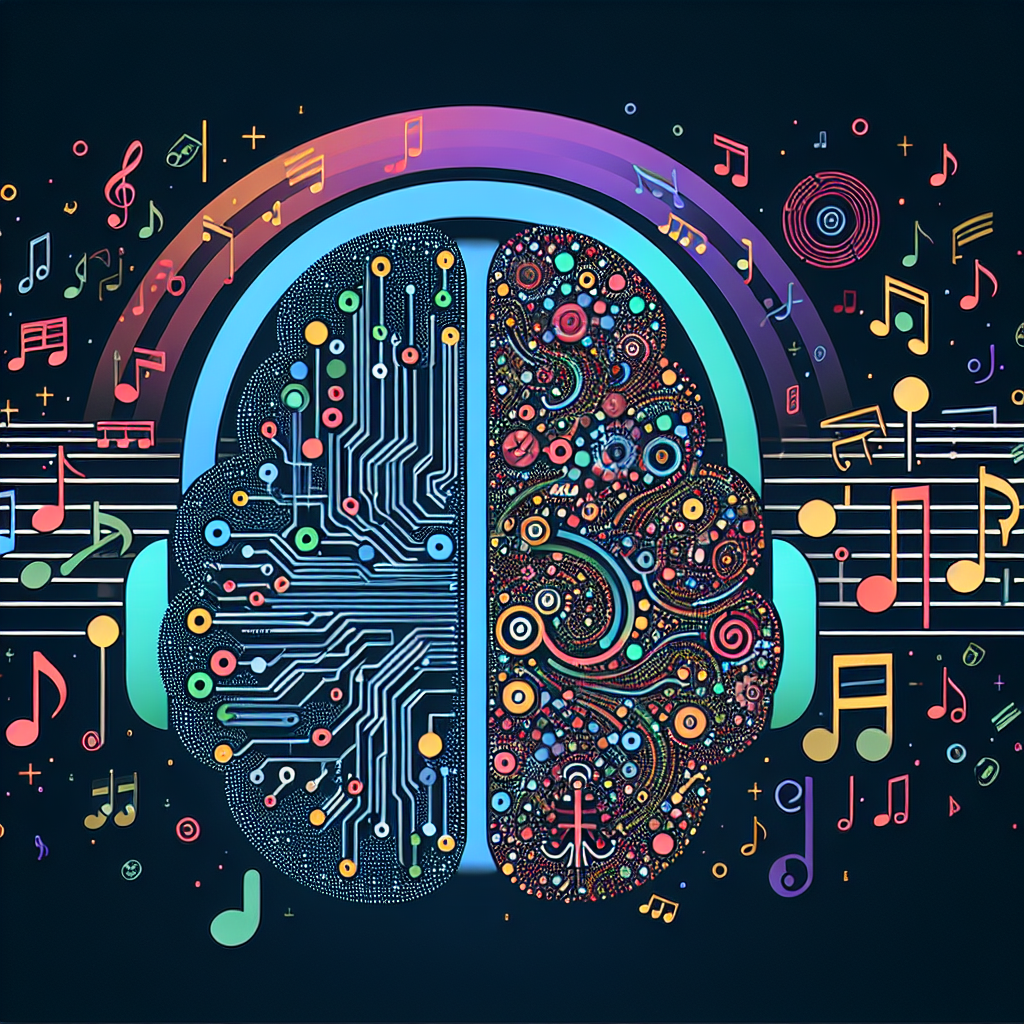
In recent years, artificial intelligence (AI) has revolutionized many industries, and the music industry is no exception. AI is being used to create personalized music recommendations for users, allowing them to discover new music tailored to their individual tastes. This technology is known as music personalization algorithms, and it has the potential to transform the way we consume and interact with music.
The Role of AI in Music Personalization Algorithms
Music personalization algorithms use AI to analyze a user’s listening habits and preferences to generate customized playlists and recommendations. These algorithms take into account various factors such as the user’s history of listening, favorite genres, mood, and even the time of day to curate a personalized music experience.
One of the key benefits of music personalization algorithms is that they allow users to discover new music that they may not have otherwise come across. By analyzing a user’s listening habits and preferences, AI can recommend songs and artists that are likely to resonate with the user’s tastes. This can help users expand their musical horizons and discover new artists and genres that they may enjoy.
Furthermore, music personalization algorithms can also help users rediscover old favorites. By analyzing a user’s listening history, AI can recommend songs and artists that the user may have forgotten about or not listened to in a while. This can help users reconnect with music that holds sentimental value or that they simply enjoy listening to.
Another benefit of music personalization algorithms is that they can help users navigate the vast amount of music available online. With millions of songs and artists available on streaming platforms, it can be overwhelming for users to find music that they enjoy. Music personalization algorithms can help users cut through the noise and discover music that is relevant to their tastes and preferences.
In addition to helping users discover new music, music personalization algorithms can also benefit artists and record labels. By recommending songs and artists to users based on their listening habits, AI can help artists reach new audiences and gain exposure. This can help emerging artists grow their fan base and connect with listeners who are likely to enjoy their music.
Overall, AI-powered music personalization algorithms have the potential to enhance the music listening experience for users, help them discover new music, and provide artists with opportunities to reach new audiences.
FAQs
Q: How does AI analyze a user’s listening habits and preferences?
A: AI analyzes a user’s listening habits and preferences by tracking the songs and artists that the user listens to, how often they listen to them, and other factors such as the user’s mood and the time of day. This data is then used to generate personalized music recommendations for the user.
Q: Are music personalization algorithms only available on streaming platforms?
A: While music personalization algorithms are commonly used on streaming platforms such as Spotify and Apple Music, they can also be integrated into other music apps and services. These algorithms can analyze a user’s listening habits and preferences regardless of the platform they are using.
Q: Can music personalization algorithms recommend songs from different genres?
A: Yes, music personalization algorithms can recommend songs from different genres based on a user’s listening habits and preferences. These algorithms are designed to cater to a user’s individual tastes and can recommend a diverse range of music that the user is likely to enjoy.
Q: How accurate are music personalization algorithms in recommending new music?
A: Music personalization algorithms are constantly evolving and improving in accuracy. While they may not always get it right, these algorithms are designed to learn from a user’s listening habits and preferences to provide more accurate and relevant recommendations over time.
Q: Do music personalization algorithms take into account the user’s feedback on recommendations?
A: Some music personalization algorithms may take into account the user’s feedback on recommendations, such as thumbs up or thumbs down ratings. This feedback can help the algorithm learn more about the user’s preferences and improve the accuracy of future recommendations.