
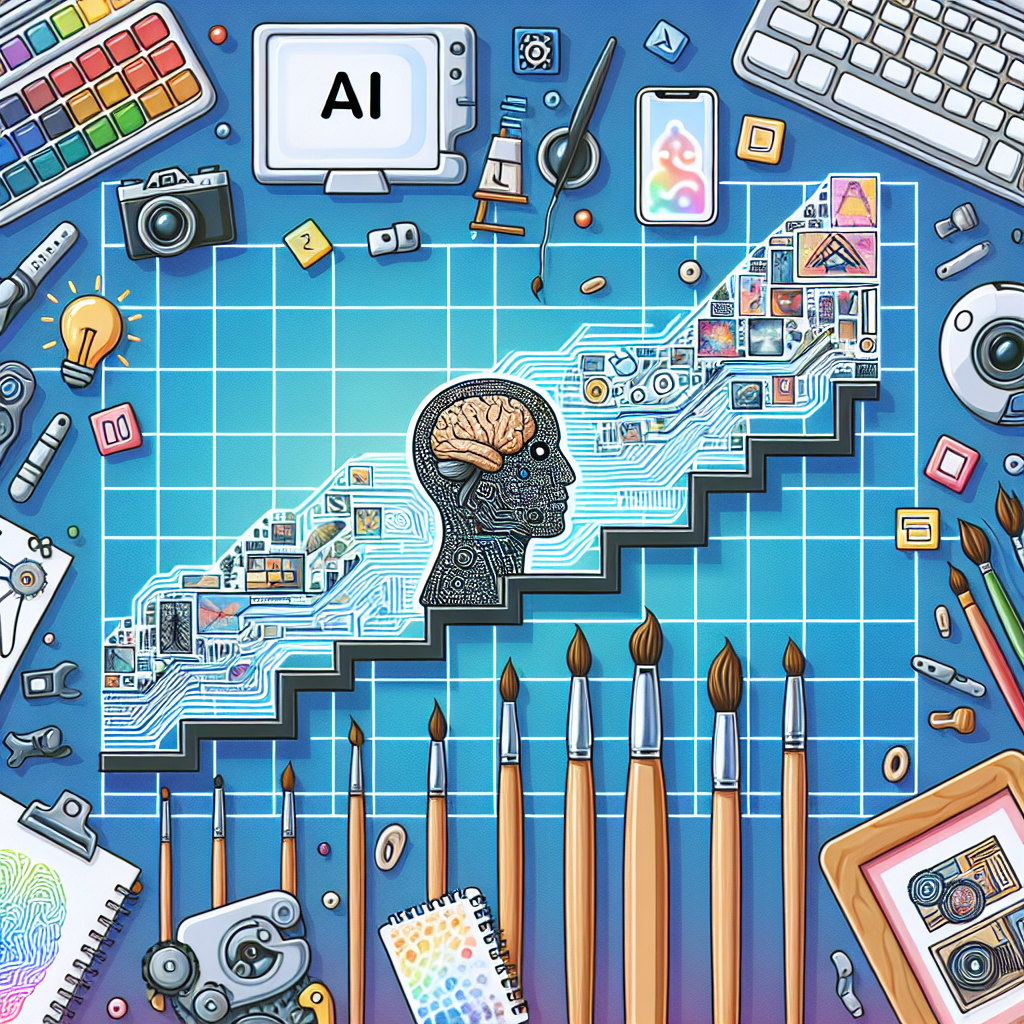
The Evolution of Creativity in the Age of AI
In recent years, artificial intelligence (AI) has made significant advancements in various fields, including creativity. AI technologies have been developed to assist and enhance creative processes, leading to new possibilities and challenges in the creative industry. The evolution of creativity in the age of AI has raised questions about the role of AI in the creative process, the impact on human creativity, and the future of creativity in a world powered by AI.
AI and Creativity: A New Partnership
AI technologies have been integrated into various creative fields, such as music, art, design, and writing. These technologies have the potential to assist creatives in generating new ideas, exploring new possibilities, and enhancing their creative output. For example, AI-powered tools can analyze large amounts of data to identify patterns and trends, generate new concepts based on existing data, and even create music, artwork, or writing autonomously.
One of the key advantages of AI in creativity is its ability to process and analyze vast amounts of information quickly and efficiently. This allows creatives to explore new ideas, experiment with different approaches, and push the boundaries of their creativity. AI can also help creatives overcome creative blocks, provide inspiration, and offer new perspectives on their work.
AI technologies can also enhance collaboration among creatives by providing a platform for sharing ideas, collaborating on projects, and receiving feedback from others. AI-powered tools can facilitate communication, streamline workflow, and foster a more collaborative and creative environment.
The Impact on Human Creativity
While AI technologies have the potential to enhance creativity, there are concerns about the impact on human creativity. Some critics argue that AI may replace human creativity, leading to a loss of originality, authenticity, and emotional depth in creative works. They fear that AI-generated content may lack the human touch and soul that is essential to art and creativity.
However, proponents of AI in creativity argue that AI can complement and amplify human creativity, rather than replace it. They believe that AI technologies can help creatives expand their creative horizons, explore new possibilities, and push the boundaries of their creativity. AI can serve as a tool for creatives to enhance their work, experiment with new ideas, and collaborate with others in innovative ways.
The Future of Creativity in the Age of AI
As AI technologies continue to evolve and advance, the future of creativity in the age of AI remains uncertain. While AI has the potential to revolutionize the creative industry, there are still challenges to overcome, such as ethical concerns, biases in AI algorithms, and the impact on the job market.
One of the key challenges is ensuring that AI technologies are used ethically and responsibly in the creative process. Creatives must be aware of the potential risks and limitations of AI technologies, such as biases in algorithms, privacy concerns, and intellectual property rights. They must also consider the ethical implications of using AI in creative works, such as the impact on diversity, representation, and cultural heritage.
Another challenge is the potential impact of AI on the job market in the creative industry. As AI technologies become more advanced, there is a concern that AI may replace human creatives in certain roles, leading to job displacement and inequality in the workforce. Creatives must adapt to the changing landscape of the creative industry, embrace new technologies, and develop new skills to remain competitive in the age of AI.
Despite these challenges, the future of creativity in the age of AI is filled with possibilities and opportunities. AI technologies can empower creatives to explore new ideas, experiment with different approaches, and collaborate with others in innovative ways. Creatives can leverage AI tools to enhance their work, push the boundaries of their creativity, and create new forms of art and expression that were previously unimaginable.
FAQs
Q: Can AI be creative?
A: While AI technologies can generate new ideas, explore new possibilities, and enhance creative output, the concept of AI creativity is still debated. Some argue that AI can be creative in its own right, while others believe that AI can only assist and amplify human creativity.
Q: Will AI replace human creativity?
A: There is a concern that AI may replace human creatives in certain roles, leading to job displacement and inequality in the workforce. However, proponents of AI in creativity argue that AI can complement and amplify human creativity, rather than replace it.
Q: What are the ethical concerns of using AI in creativity?
A: Ethical concerns of using AI in creativity include biases in algorithms, privacy concerns, intellectual property rights, and the impact on diversity, representation, and cultural heritage. Creatives must be aware of these concerns and use AI technologies responsibly and ethically.
Q: How can creatives adapt to the age of AI?
A: Creatives can adapt to the age of AI by embracing new technologies, developing new skills, and collaborating with others in innovative ways. By leveraging AI tools to enhance their work, creatives can push the boundaries of their creativity and create new forms of art and expression.
In conclusion, the evolution of creativity in the age of AI presents new possibilities and challenges for the creative industry. AI technologies have the potential to assist and enhance creative processes, but there are concerns about the impact on human creativity, ethical considerations, and the future of creativity in a world powered by AI. Creatives must adapt to the changing landscape of the creative industry, embrace new technologies, and develop new skills to remain competitive in the age of AI.