
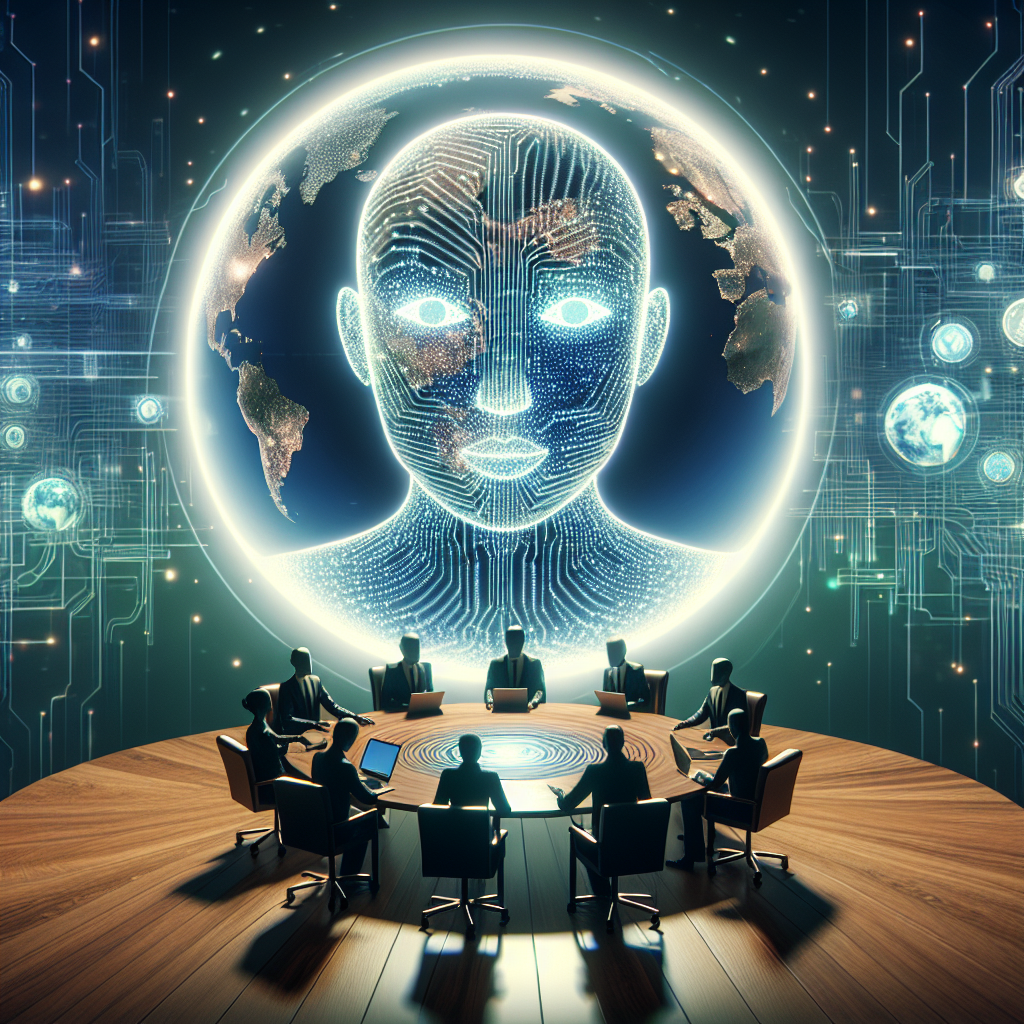
The Role of AI in Diplomacy and International Relations
Artificial Intelligence (AI) is revolutionizing the way we live, work, and interact with one another. From healthcare to finance to transportation, AI is being used to improve efficiency, accuracy, and decision-making across a wide range of industries. In recent years, AI has also been making its mark in the field of diplomacy and international relations, playing a crucial role in shaping global politics and fostering better communication between nations.
AI technology has the potential to transform diplomacy and international relations in several key ways. One of the most significant impacts of AI in this field is its ability to process vast amounts of data and analyze complex patterns and trends. This can help diplomats and policymakers make more informed decisions by providing them with valuable insights and predictions based on data-driven analysis.
AI can also help diplomats and policymakers communicate more effectively with one another and with the public. For example, AI-powered chatbots can be used to provide real-time updates and information to citizens and foreign officials, helping to bridge language barriers and improve communication channels.
Furthermore, AI can be used to monitor social media and online news sources to identify emerging trends and public sentiment, allowing diplomats to respond quickly to changing political landscapes and public opinion. AI algorithms can also be used to analyze public sentiment and predict potential conflicts or crises, enabling diplomats to take proactive measures to prevent escalation.
In addition, AI can be used to enhance cybersecurity and protect sensitive diplomatic communications and information. AI-powered cybersecurity systems can detect and respond to cyber threats in real time, helping to safeguard diplomatic communications and prevent unauthorized access to sensitive information.
Overall, AI has the potential to revolutionize diplomacy and international relations by improving decision-making, communication, and security. However, there are also challenges and ethical considerations that must be addressed as AI technology continues to evolve and become more integrated into the field of diplomacy.
FAQs
Q: What are some examples of how AI is being used in diplomacy and international relations?
A: AI is being used in diplomacy and international relations in a variety of ways, including data analysis, communication, cybersecurity, and conflict prediction. For example, AI algorithms are being used to analyze social media and online news sources to identify emerging trends and public sentiment, while AI-powered chatbots are being used to improve communication channels between diplomats and foreign officials.
Q: How can AI improve decision-making in diplomacy?
A: AI can improve decision-making in diplomacy by providing diplomats and policymakers with valuable insights and predictions based on data-driven analysis. By processing vast amounts of data and analyzing complex patterns and trends, AI can help diplomats make more informed decisions and respond quickly to changing political landscapes and public sentiment.
Q: What are some of the challenges of using AI in diplomacy and international relations?
A: Some of the challenges of using AI in diplomacy and international relations include data privacy concerns, ethical considerations, and the potential for AI algorithms to be biased or flawed. Additionally, there is a risk that AI technology could be used for malicious purposes, such as cyber attacks or disinformation campaigns.
Q: How can policymakers address the ethical considerations of using AI in diplomacy?
A: Policymakers can address the ethical considerations of using AI in diplomacy by implementing regulations and guidelines that govern the use of AI technology in diplomatic settings. This can include ensuring transparency and accountability in AI algorithms, protecting data privacy, and monitoring the potential for bias or discrimination in AI systems.
In conclusion, AI is playing an increasingly important role in diplomacy and international relations, helping to improve decision-making, communication, and security in a rapidly changing global landscape. As AI technology continues to evolve and become more integrated into diplomatic practices, policymakers must address the challenges and ethical considerations that come with using AI in this field to ensure that AI remains a force for positive change in the world.