
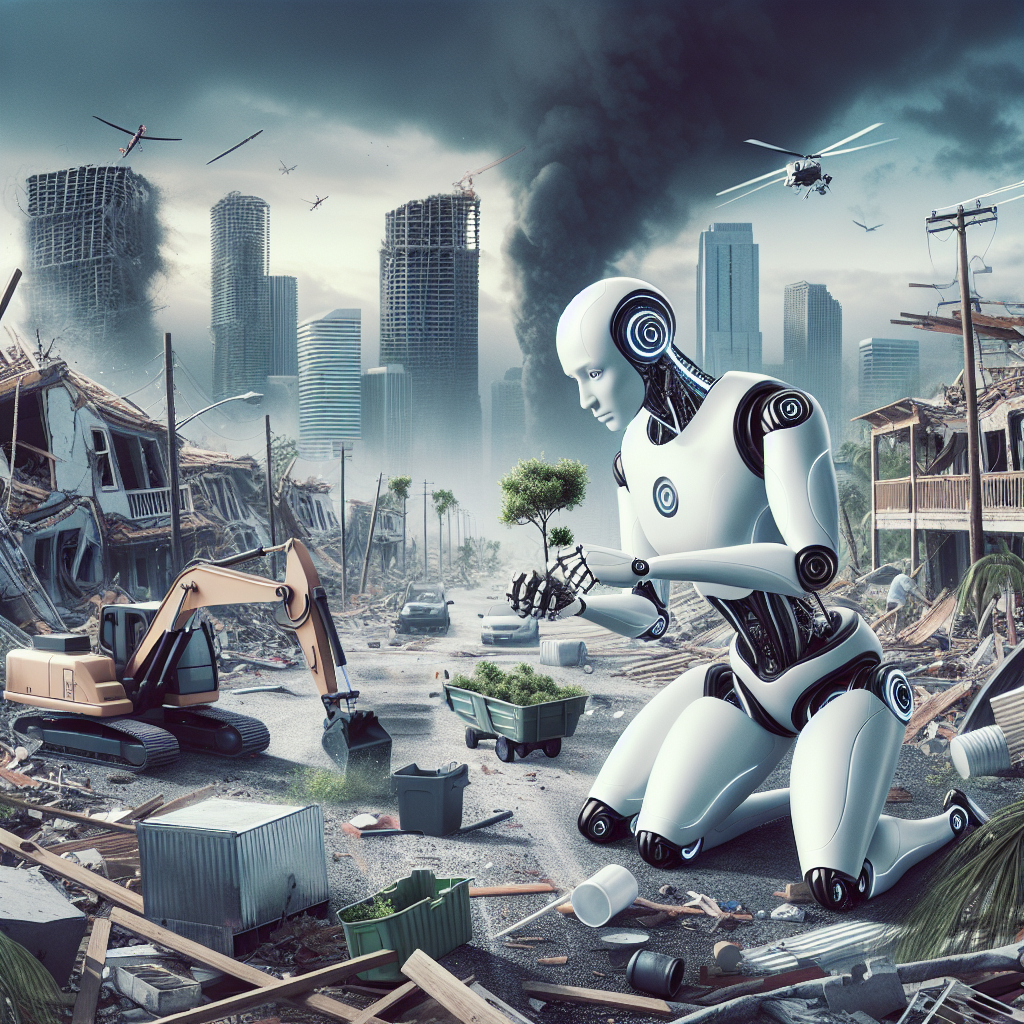
In recent years, the frequency and intensity of natural disasters have been on the rise, posing a significant threat to communities and businesses around the world. From hurricanes and wildfires to floods and earthquakes, these disasters can cause widespread devastation, disrupting operations and putting lives at risk. As a result, disaster recovery has become a critical priority for organizations looking to protect their assets and ensure business continuity in the face of such events.
One technology that has emerged as a game-changer in disaster recovery efforts is artificial intelligence (AI) automation. AI automation refers to the use of machine learning algorithms and other AI technologies to automate tasks that were previously performed by humans. In the context of disaster recovery, AI automation can play a crucial role in streamlining processes, improving response times, and reducing the impact of disasters on businesses and communities.
The Role of AI Automation in Disaster Recovery
1. Predictive Analytics: One of the key benefits of AI automation in disaster recovery is its ability to make use of predictive analytics. By analyzing historical data, weather patterns, and other relevant information, AI algorithms can predict when and where disasters are likely to occur. This can help organizations prepare in advance, mobilize resources, and take proactive measures to mitigate the impact of the disaster.
2. Rapid Response: In the event of a disaster, time is of the essence. AI automation can help organizations respond quickly and efficiently by automating tasks such as alerting emergency services, coordinating rescue efforts, and communicating with stakeholders. This can help save lives and minimize damage to property.
3. Resource Allocation: During a disaster, resources such as food, water, medical supplies, and shelter are in high demand. AI automation can help organizations optimize the allocation of these resources by analyzing real-time data, assessing needs, and coordinating the distribution of supplies to where they are most needed.
4. Remote Monitoring: In some cases, disasters may make it difficult for human responders to access affected areas. AI automation can help bridge this gap by enabling remote monitoring of disaster-stricken areas using drones, satellites, and other technologies. This can provide valuable insights into the extent of the damage and help prioritize response efforts.
5. Recovery Planning: After a disaster has passed, the recovery process can be long and complex. AI automation can assist organizations in developing recovery plans by analyzing data, identifying key areas for improvement, and recommending strategies for rebuilding. This can help organizations bounce back faster and stronger after a disaster.
Frequently Asked Questions (FAQs)
Q: How can AI automation help businesses prepare for disasters?
A: AI automation can help businesses prepare for disasters by providing predictive analytics, automating emergency response processes, and optimizing resource allocation.
Q: What are some examples of AI technologies used in disaster recovery?
A: Some examples of AI technologies used in disaster recovery include predictive analytics, natural language processing, computer vision, and robotics.
Q: How can AI automation improve the efficiency of disaster recovery efforts?
A: AI automation can improve the efficiency of disaster recovery efforts by streamlining processes, reducing response times, and optimizing resource allocation.
Q: What are some challenges associated with using AI automation in disaster recovery?
A: Some challenges associated with using AI automation in disaster recovery include data privacy concerns, ethical considerations, and the need for ongoing training and maintenance of AI systems.
Q: How can organizations implement AI automation in their disaster recovery plans?
A: Organizations can implement AI automation in their disaster recovery plans by partnering with AI technology providers, investing in AI training for their staff, and integrating AI systems into their existing infrastructure.
In conclusion, AI automation has the potential to revolutionize the way organizations respond to disasters and recover from their aftermath. By leveraging the power of AI technologies, organizations can improve the speed, efficiency, and effectiveness of their disaster recovery efforts, ultimately saving lives and protecting assets. As the technology continues to evolve, it is essential for organizations to stay ahead of the curve and incorporate AI automation into their disaster recovery plans to ensure resilience in the face of future disasters.