
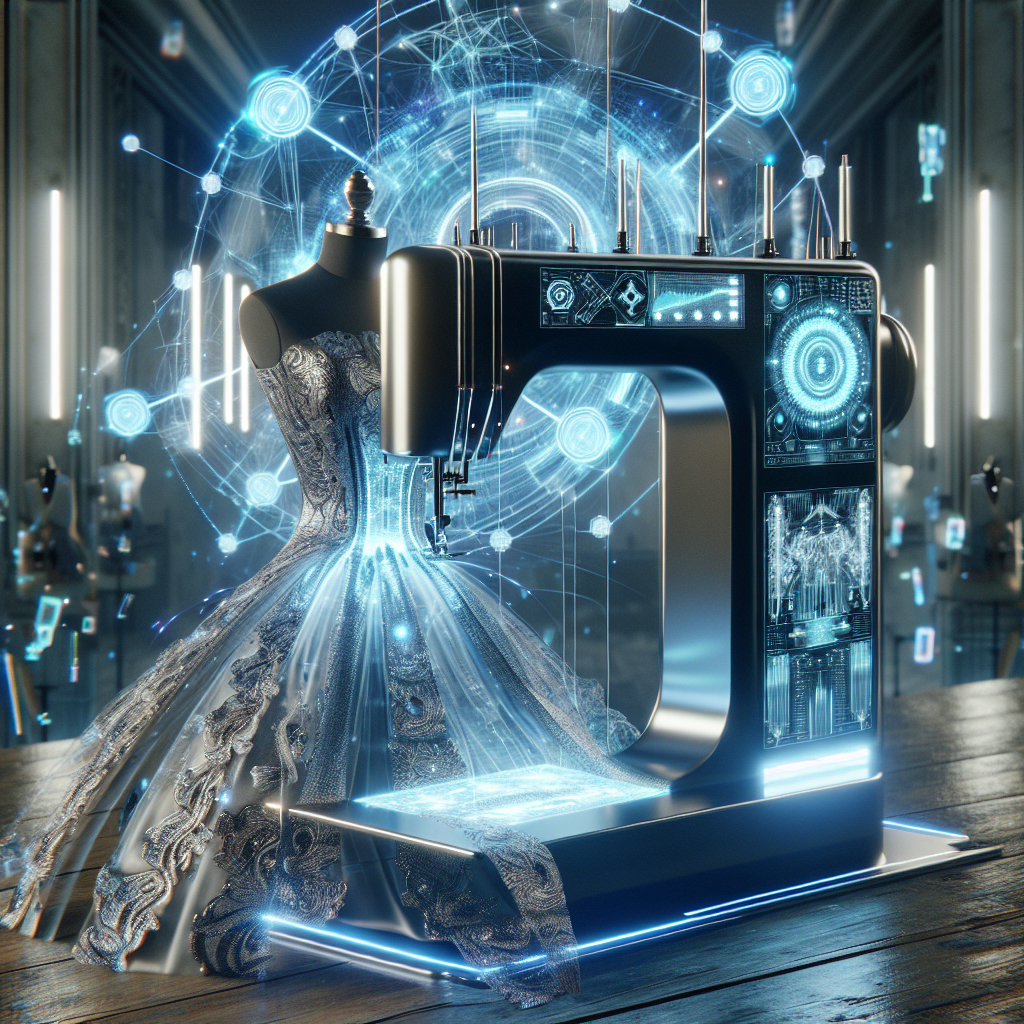
AI-Powered Fashion Design: The Rise of the Robot Couturier
In recent years, the fashion industry has seen a significant shift towards the use of artificial intelligence in the design process. From creating unique patterns and designs to predicting future trends, AI technology is revolutionizing the way we approach fashion. This emerging trend has given rise to a new breed of fashion designers – the robot couturiers.
AI-powered fashion design is a growing field that combines the creativity of human designers with the computational power of AI algorithms. By analyzing massive amounts of data, AI can generate innovative designs, predict trends, and even create personalized garments tailored to individual preferences. This new approach to fashion design is not only changing the way clothes are made but also how they are consumed and experienced by consumers.
One of the key advantages of AI-powered fashion design is its ability to quickly generate a large number of design variations. This can be particularly useful for designers looking to create unique, one-of-a-kind pieces or experiment with unconventional patterns and materials. AI algorithms can also analyze consumer data and feedback to create personalized designs that cater to individual tastes and preferences.
Another benefit of AI technology in fashion design is its predictive capabilities. By analyzing historical data and current trends, AI algorithms can forecast future fashion trends and help designers stay ahead of the curve. This can be invaluable for brands looking to anticipate consumer demand and create collections that resonate with their target audience.
The use of AI in fashion design is also enabling a more sustainable approach to clothing production. By optimizing the design process and reducing waste, AI-powered fashion design can help minimize the environmental impact of the industry. Additionally, AI algorithms can help designers identify more sustainable materials and production methods, further reducing the carbon footprint of the fashion industry.
Despite its many advantages, AI-powered fashion design is not without its challenges. One of the main concerns is the potential loss of creativity and human touch in the design process. While AI algorithms can generate innovative designs, they lack the emotional intelligence and intuition of human designers. This can lead to a homogenization of fashion trends and a loss of the unique, artistic vision that sets individual designers apart.
Another challenge is the potential for bias in AI algorithms. Like any technology, AI is only as good as the data it is trained on. If the data used to train AI algorithms is biased or limited in scope, the designs generated by the AI may reflect these biases. This can lead to a lack of diversity and inclusivity in fashion design, perpetuating existing stereotypes and marginalizing underrepresented groups.
Despite these challenges, the use of AI in fashion design is likely to continue to grow in the coming years. As technology continues to advance and designers become more comfortable with AI tools, we can expect to see even more innovative and creative designs coming from the robot couturiers of the future.
FAQs:
Q: Will AI replace human designers in the fashion industry?
A: While AI technology is transforming the way we approach fashion design, it is unlikely to completely replace human designers. AI algorithms can generate innovative designs and predict trends, but they lack the emotional intelligence and intuition of human designers. The most successful fashion collections are likely to be those that combine the creativity of human designers with the computational power of AI technology.
Q: How can AI-powered fashion design benefit consumers?
A: AI-powered fashion design can benefit consumers in a number of ways. By analyzing consumer data and feedback, AI algorithms can create personalized designs tailored to individual preferences. AI can also help designers anticipate future trends and create collections that resonate with their target audience. Additionally, AI technology can enable a more sustainable approach to clothing production, reducing waste and minimizing the environmental impact of the industry.
Q: What are some examples of AI-powered fashion design in action?
A: One example of AI-powered fashion design is the use of generative adversarial networks (GANs) to create unique patterns and designs. By training GANs on a dataset of existing designs, AI algorithms can generate new, never-before-seen patterns that can be used in clothing production. Another example is the use of AI algorithms to analyze consumer data and feedback to create personalized designs tailored to individual preferences. These examples demonstrate the potential of AI technology to revolutionize the way we approach fashion design.