
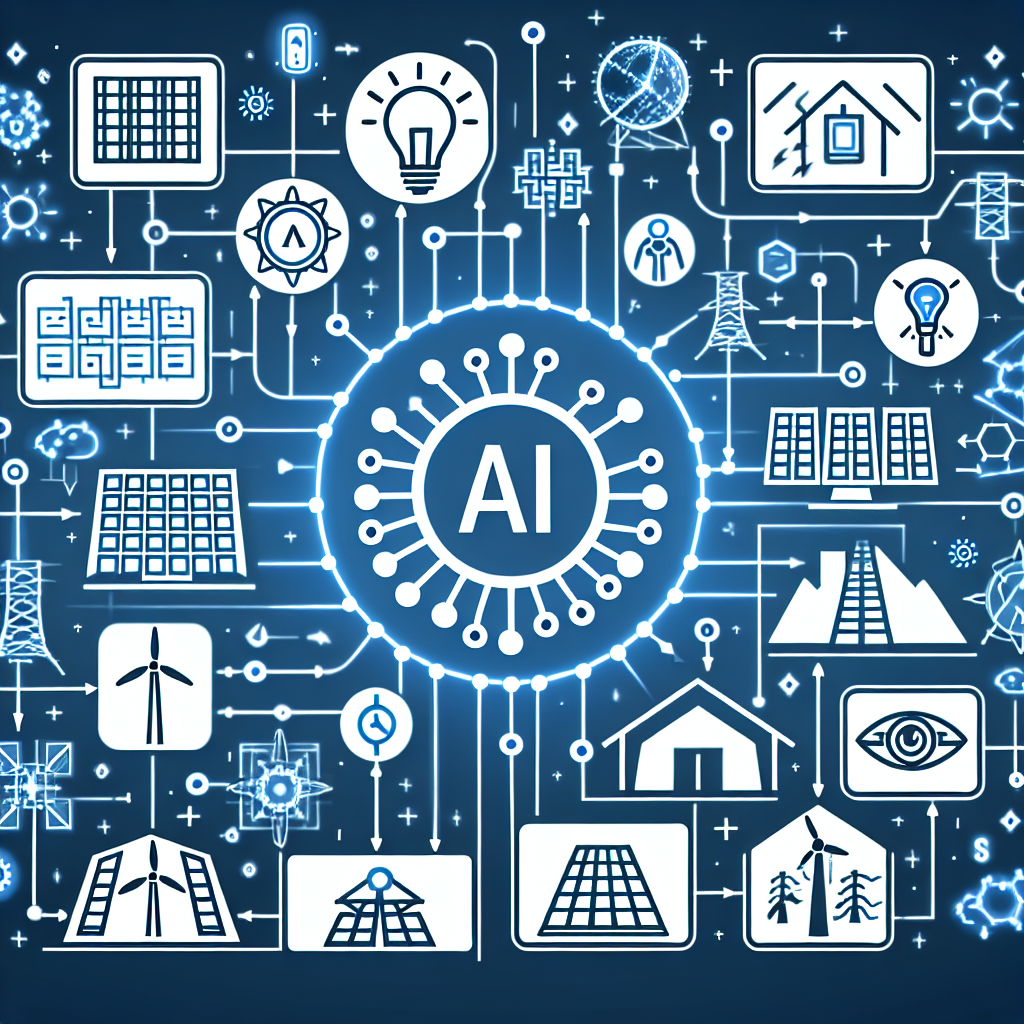
As the world continues to grapple with the effects of climate change, the need for renewable energy sources has never been more urgent. The renewable energy market is growing rapidly, with solar, wind, and hydro power becoming increasingly popular alternatives to traditional fossil fuels. However, the transition to renewable energy is not without its challenges, including intermittency, grid stability, and cost-effectiveness.
One of the key solutions to these challenges lies in the adoption of AI-powered technologies. Artificial intelligence (AI) has the potential to revolutionize the renewable energy market by optimizing energy production, improving grid efficiency, and reducing costs. In this article, we will explore how AI-powered solutions are being used to adapt the renewable energy market and address some common questions about this emerging technology.
Optimizing Energy Production
One of the main challenges facing renewable energy sources is their intermittency. Solar and wind power generation can vary depending on weather conditions, making it difficult to predict and plan for energy production. AI-powered solutions can help optimize energy production by analyzing vast amounts of data in real-time and making adjustments to maximize output.
For example, AI algorithms can predict solar and wind patterns based on weather forecasts, historical data, and real-time measurements. This allows energy producers to anticipate fluctuations in energy production and adjust their operations accordingly. By optimizing energy production, AI can help renewable energy sources become more reliable and cost-effective.
Improving Grid Efficiency
Another challenge in the renewable energy market is grid stability. As more renewable energy sources are integrated into the grid, it becomes increasingly difficult to balance supply and demand. AI-powered solutions can help improve grid efficiency by predicting energy demand, optimizing energy storage, and managing grid congestion.
For instance, AI algorithms can analyze data from smart meters, sensors, and other sources to predict energy demand patterns. This allows grid operators to anticipate peak demand periods and adjust energy production accordingly. AI can also optimize energy storage systems, such as batteries, to store excess energy during periods of low demand and release it when needed.
Reducing Costs
AI-powered solutions can also help reduce costs in the renewable energy market. By optimizing energy production and grid efficiency, AI can lower operational expenses and increase profitability for energy producers. In addition, AI can help identify areas for cost savings, such as maintenance optimization, equipment monitoring, and predictive analytics.
For example, AI algorithms can analyze data from sensors and maintenance records to predict equipment failures before they occur. This allows energy producers to proactively address maintenance issues and avoid costly downtime. AI can also optimize maintenance schedules, prioritize repairs, and reduce overall maintenance costs.
Common Questions about AI-Powered Solutions for Renewable Energy
Q: How does AI improve energy production in renewable sources?
A: AI algorithms can analyze data from various sources, such as weather forecasts, historical data, and real-time measurements, to predict energy production patterns. By optimizing energy production, AI can help renewable energy sources become more reliable and cost-effective.
Q: How can AI help improve grid efficiency in the renewable energy market?
A: AI can predict energy demand patterns, optimize energy storage systems, and manage grid congestion to improve grid efficiency. By balancing supply and demand, AI-powered solutions can help ensure grid stability and reliability.
Q: How does AI reduce costs in the renewable energy market?
A: AI can lower operational expenses, increase profitability, and identify areas for cost savings in the renewable energy market. By optimizing energy production, grid efficiency, and maintenance practices, AI-powered solutions can help reduce overall costs for energy producers.
Q: What are some examples of AI-powered solutions in the renewable energy market?
A: Some examples of AI-powered solutions in the renewable energy market include predictive maintenance, energy demand forecasting, grid optimization, and equipment monitoring. These solutions leverage AI algorithms to improve energy production, grid efficiency, and cost-effectiveness.
In conclusion, AI-powered solutions have the potential to revolutionize the renewable energy market by optimizing energy production, improving grid efficiency, and reducing costs. By harnessing the power of AI, energy producers can overcome the challenges of intermittency, grid stability, and cost-effectiveness associated with renewable energy sources. As the world continues to transition to a more sustainable energy future, AI will play a crucial role in shaping the renewable energy market and driving innovation in the industry.