
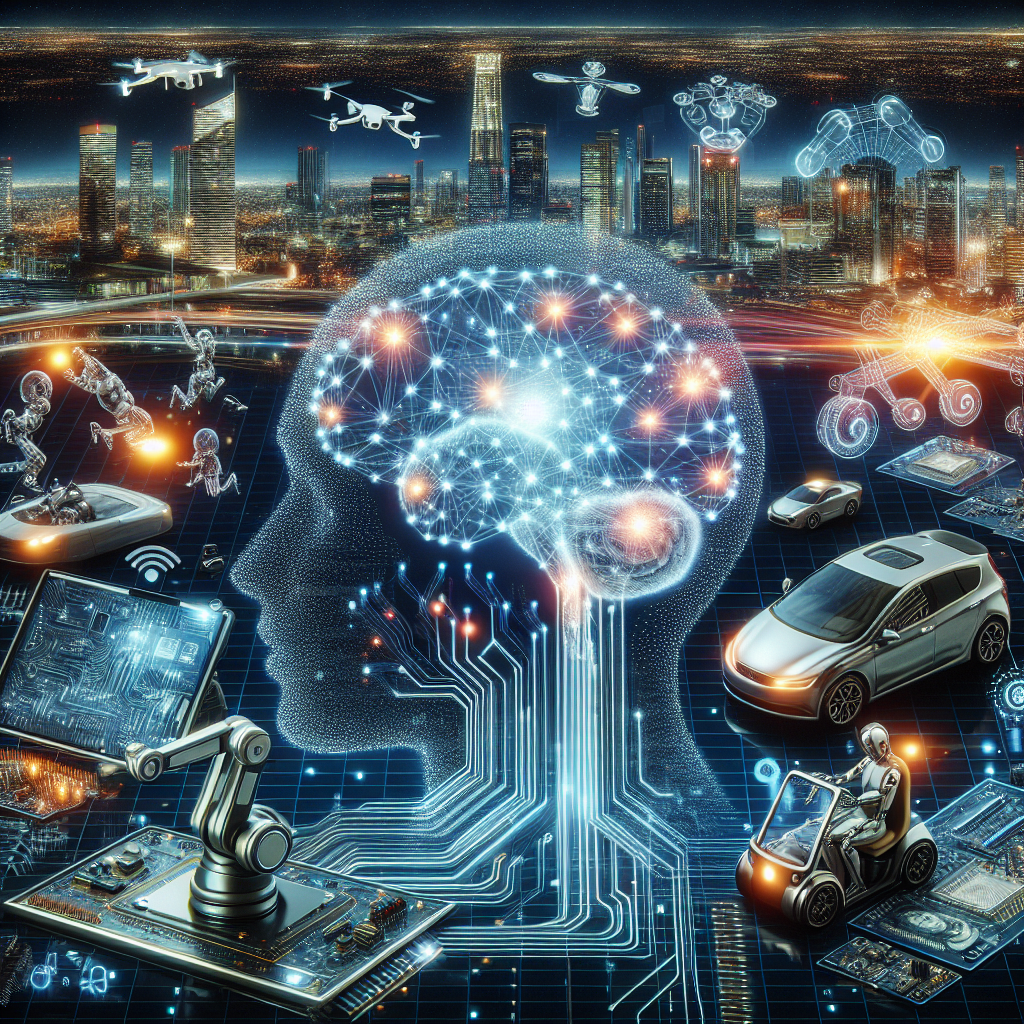
In recent years, the advancement of artificial intelligence (AI) has revolutionized many industries, including autonomous systems. From self-driving cars to drones, AI-driven solutions are powering the future of autonomous systems. As technology continues to evolve, the possibilities for AI-driven solutions in autonomous systems are endless. In this article, we will explore the future of AI-driven solutions in autonomous systems and their potential impact on various industries.
The Role of AI in Autonomous Systems
AI plays a crucial role in the development of autonomous systems by enabling machines to make decisions and perform tasks without human intervention. AI-driven solutions use algorithms and machine learning techniques to analyze data, learn from experience, and adapt to new situations. This allows autonomous systems to navigate complex environments, recognize objects, and respond to changing conditions in real-time.
One of the key advantages of AI-driven solutions in autonomous systems is their ability to improve efficiency and safety. For example, self-driving cars use AI algorithms to detect obstacles, predict the movements of other vehicles, and make split-second decisions to avoid accidents. Similarly, drones use AI-driven solutions to navigate through obstacles, capture images, and deliver packages to their destinations.
The Future of AI-Driven Solutions in Autonomous Systems
As technology continues to advance, the future of AI-driven solutions in autonomous systems looks promising. Here are some of the key trends that will shape the future of autonomous systems:
1. Enhanced Sensory Perception: AI-driven solutions will enable autonomous systems to have enhanced sensory perception, allowing them to detect and respond to a wider range of stimuli. For example, self-driving cars may use advanced sensors and cameras to detect road signs, pedestrians, and other vehicles in real-time.
2. Improved Decision-Making: AI algorithms will continue to evolve, enabling autonomous systems to make better decisions in complex and unpredictable environments. For example, drones may use AI-driven solutions to analyze weather conditions, traffic patterns, and other factors to optimize their flight paths.
3. Collaborative Autonomy: In the future, autonomous systems may work together in collaborative networks to achieve common goals. For example, a fleet of self-driving cars may communicate with each other to optimize traffic flow and reduce congestion on the roads.
4. Autonomous Delivery Systems: AI-driven solutions will revolutionize the delivery industry by enabling autonomous systems to deliver goods and services without human intervention. For example, drones and self-driving vehicles may be used to deliver packages, groceries, and medical supplies to customers’ doorsteps.
5. Personalized Autonomous Systems: AI-driven solutions will enable autonomous systems to adapt to individual preferences and needs. For example, self-driving cars may learn a driver’s habits and preferences to provide a personalized driving experience.
6. Regulatory Challenges: As AI-driven solutions in autonomous systems become more prevalent, there will be regulatory challenges to address, such as data privacy, liability, and safety standards. Governments and industry stakeholders will need to work together to establish guidelines and regulations to ensure the safe and ethical use of AI-driven solutions in autonomous systems.
FAQs
Q: What industries will benefit the most from AI-driven solutions in autonomous systems?
A: Industries such as transportation, logistics, healthcare, agriculture, and manufacturing are expected to benefit the most from AI-driven solutions in autonomous systems. These industries can leverage AI technology to improve efficiency, reduce costs, and enhance safety.
Q: How will AI-driven solutions in autonomous systems impact job opportunities?
A: While AI-driven solutions in autonomous systems may automate certain tasks, they will also create new job opportunities in areas such as AI development, data analysis, and system maintenance. It is important for individuals to acquire skills in AI-related fields to stay competitive in the job market.
Q: What are some of the ethical considerations surrounding AI-driven solutions in autonomous systems?
A: Ethical considerations surrounding AI-driven solutions in autonomous systems include data privacy, transparency, accountability, and bias. It is important for organizations to adhere to ethical guidelines and regulations to ensure the responsible use of AI technology.
Q: How can businesses leverage AI-driven solutions in autonomous systems to gain a competitive advantage?
A: Businesses can leverage AI-driven solutions in autonomous systems to streamline operations, improve customer service, and innovate new products and services. By embracing AI technology, businesses can gain a competitive advantage in the market and stay ahead of the competition.
In conclusion, the future of AI-driven solutions in autonomous systems is bright, with endless possibilities for innovation and growth. As technology continues to evolve, AI-driven solutions will play a crucial role in transforming various industries and shaping the way we interact with autonomous systems. By embracing AI technology and addressing regulatory challenges, we can harness the power of AI-driven solutions to create a safer, more efficient, and more sustainable future for autonomous systems.