
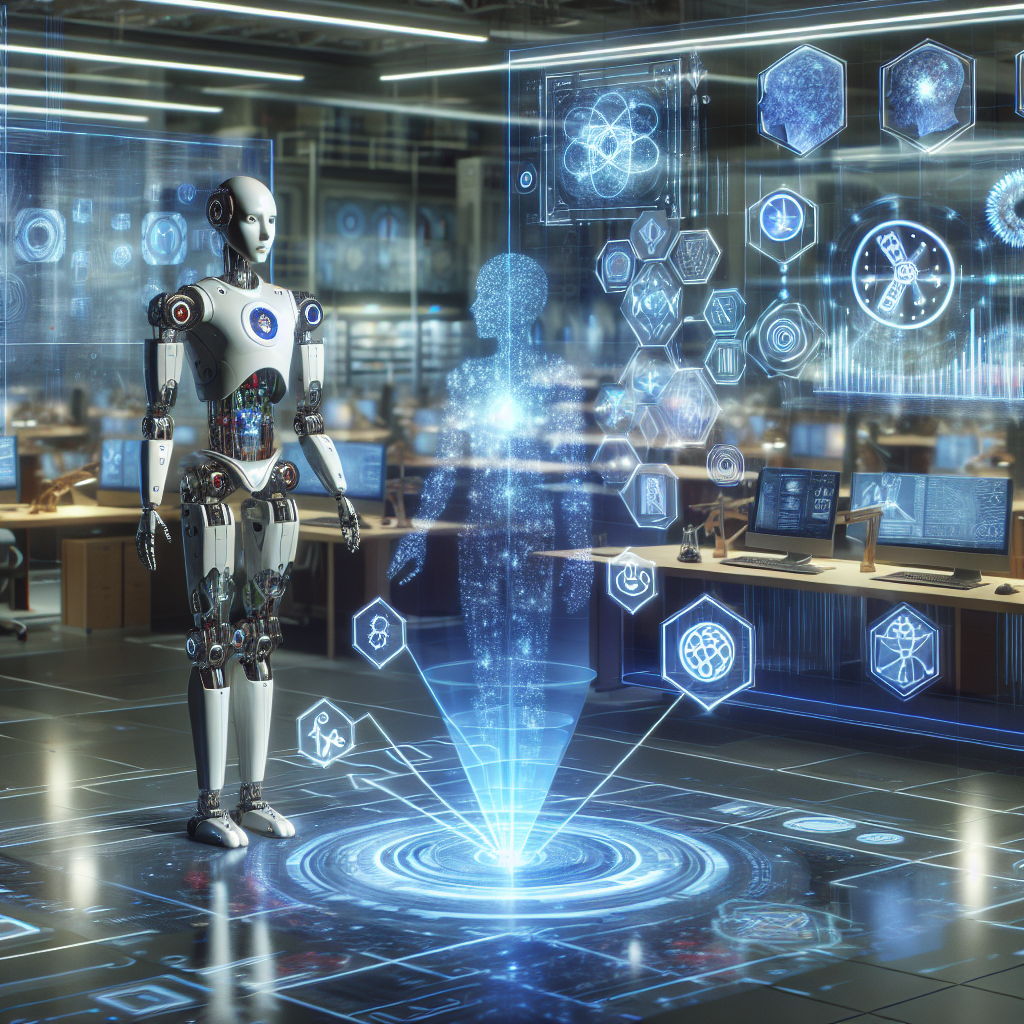
The future of robotics and artificial intelligence (AI) integration is a topic that has been gaining increasing attention in recent years. As technology continues to advance at a rapid pace, the potential for robots and AI to work together in new and innovative ways is becoming more and more apparent. From autonomous vehicles to robot-assisted surgery, the possibilities for this integration are virtually limitless.
One of the key areas where robotics and AI are already making a significant impact is in the field of healthcare. Robot-assisted surgery, for example, is already being used in hospitals around the world to perform procedures with greater precision and efficiency than ever before. AI-powered diagnostic tools are also helping doctors to more accurately diagnose and treat patients, leading to better outcomes and reduced healthcare costs.
In the field of transportation, autonomous vehicles are already on the roads in some parts of the world, with companies like Tesla and Google leading the way in developing self-driving cars. These vehicles rely on a combination of robotics and AI to navigate their surroundings and make decisions in real-time, with the potential to revolutionize the way we travel in the future.
In the manufacturing industry, robots are increasingly being used to perform tasks that are too dangerous or repetitive for humans to do safely and efficiently. AI is also being used to optimize production processes and predict maintenance needs, leading to increased productivity and cost savings for companies.
As the integration of robotics and AI continues to advance, it is likely that we will see even more applications in a wide range of industries. From agriculture to retail, robots and AI have the potential to transform the way we work and live in the future.
However, with these advancements also come questions and concerns about the impact of robotics and AI on society. Will robots and AI lead to job losses as they replace human workers in various industries? How will we ensure that these technologies are used ethically and responsibly? These are just some of the questions that will need to be addressed as we move forward with the integration of robotics and AI.
FAQs:
Q: Will robots and AI replace human workers in the future?
A: While robots and AI have the potential to automate many tasks currently performed by humans, it is unlikely that they will completely replace human workers. Instead, these technologies are more likely to complement human workers, allowing them to focus on more complex and creative tasks while robots handle repetitive or dangerous tasks.
Q: How can we ensure that robots and AI are used ethically and responsibly?
A: It will be important for governments, companies, and individuals to establish clear guidelines and regulations for the use of robots and AI to ensure that they are used ethically and responsibly. This may include developing standards for data privacy, transparency, and accountability in the development and deployment of these technologies.
Q: What are some of the potential risks associated with the integration of robotics and AI?
A: Some potential risks associated with the integration of robotics and AI include job displacement, security and privacy concerns, and the potential for bias in AI algorithms. It will be important for policymakers, researchers, and industry leaders to work together to address these risks and ensure that these technologies are used in a way that benefits society as a whole.
In conclusion, the future of robotics and AI integration holds great promise for improving our lives in a wide range of ways. From healthcare to transportation to manufacturing, these technologies have the potential to revolutionize the way we work and live. However, it will be important for us to address the challenges and risks associated with this integration in order to ensure that we are able to fully harness the benefits of these technologies in a responsible and ethical manner.