
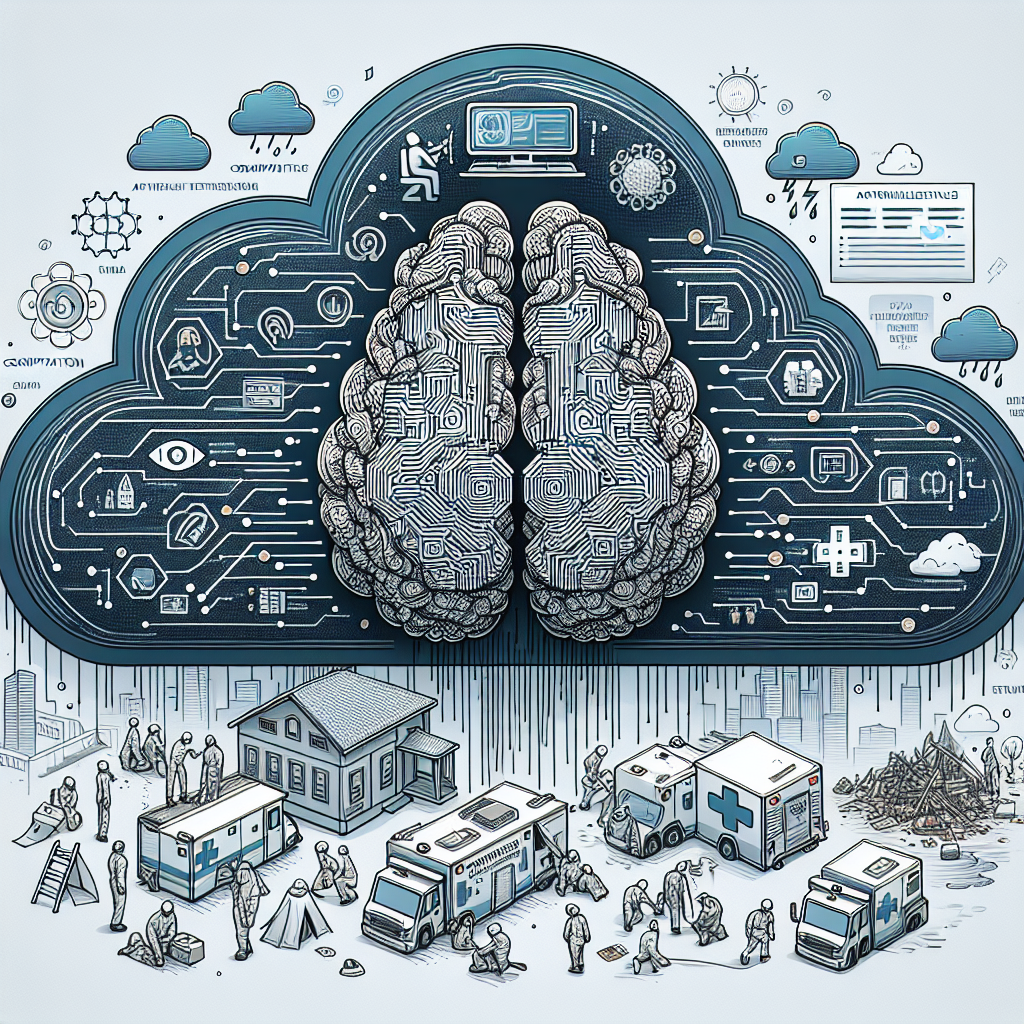
Disasters, whether natural or man-made, can strike at any time and have the potential to cause severe damage to businesses and organizations. In the event of a disaster, having a robust disaster recovery plan in place is crucial to ensure the continuity of operations and minimize the impact on business operations. With advancements in technology, AI-enabled cloud computing systems are becoming increasingly popular as a means to improve disaster recovery strategies.
AI-enabled cloud computing systems combine the power of artificial intelligence (AI) with the flexibility and scalability of cloud computing to enhance disaster recovery capabilities. By leveraging AI algorithms and machine learning capabilities, these systems can automate and optimize various aspects of disaster recovery, making the process more efficient and effective.
One of the key benefits of AI-enabled cloud computing systems for disaster recovery is the ability to automate the detection and response to potential threats and incidents. AI algorithms can analyze vast amounts of data in real-time to identify anomalies or patterns that indicate a potential disaster or security breach. This proactive approach allows organizations to respond quickly and effectively to mitigate the impact of the disaster.
In addition, AI-enabled cloud computing systems can also improve the speed and accuracy of data recovery processes. By utilizing AI algorithms to prioritize and optimize data recovery tasks, organizations can ensure that critical data and systems are restored in a timely manner, minimizing downtime and disruption to business operations.
Furthermore, AI-enabled cloud computing systems can enhance the resiliency of disaster recovery plans by continuously learning and adapting to new threats and challenges. By analyzing historical data and patterns, AI algorithms can identify areas of weakness in existing disaster recovery plans and recommend improvements to strengthen resilience against future disasters.
Overall, AI-enabled cloud computing systems offer a powerful tool for improving disaster recovery capabilities and ensuring the continuity of operations in the face of unforeseen events. By automating and optimizing various aspects of disaster recovery, organizations can better prepare for and respond to disasters, ultimately minimizing the impact on business operations and protecting critical assets.
FAQs:
Q: How does AI-enabled cloud computing systems improve disaster recovery processes?
A: AI-enabled cloud computing systems leverage AI algorithms and machine learning capabilities to automate and optimize various aspects of disaster recovery, such as threat detection, data recovery, and plan resiliency. By analyzing vast amounts of data in real-time, these systems can proactively identify potential threats and incidents, prioritize data recovery tasks, and recommend improvements to strengthen disaster recovery plans.
Q: What are the benefits of using AI-enabled cloud computing systems for disaster recovery?
A: Some of the key benefits of using AI-enabled cloud computing systems for disaster recovery include improved threat detection and response capabilities, faster and more accurate data recovery processes, and enhanced plan resiliency. These systems enable organizations to respond quickly and effectively to disasters, minimize downtime and disruption to business operations, and continuously learn and adapt to new threats and challenges.
Q: How can organizations implement AI-enabled cloud computing systems for disaster recovery?
A: Organizations can implement AI-enabled cloud computing systems for disaster recovery by partnering with a trusted cloud service provider that offers AI capabilities, such as automated threat detection, data recovery optimization, and plan resiliency enhancements. By working with experienced professionals, organizations can design and implement a customized disaster recovery strategy that leverages the power of AI and cloud computing to improve resilience and continuity of operations.
In conclusion, AI-enabled cloud computing systems offer a powerful tool for improving disaster recovery capabilities and ensuring the continuity of operations in the face of unforeseen events. By automating and optimizing various aspects of disaster recovery, organizations can better prepare for and respond to disasters, ultimately minimizing the impact on business operations and protecting critical assets.