
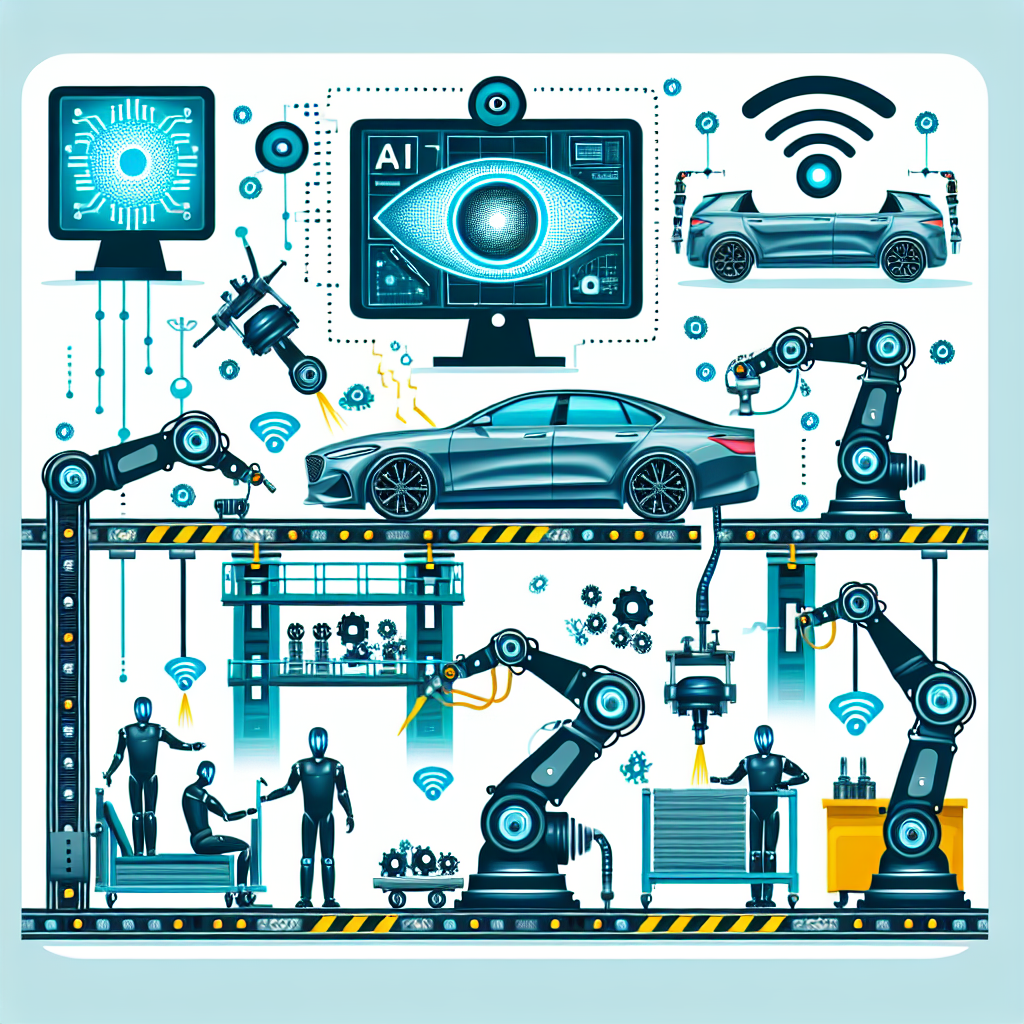
In recent years, artificial intelligence (AI) has been making significant strides in revolutionizing various industries, and automotive manufacturing is no exception. One of the key areas where AI is making a big impact is in quality control processes. AI-enabled quality control systems are being implemented by automakers to ensure that the vehicles they produce meet the highest standards of quality and safety. In this article, we will explore the benefits of AI-enabled quality control for automotive manufacturing and how it is transforming the industry.
Benefits of AI-Enabled Quality Control for Automotive Manufacturing
1. Improved Accuracy: AI systems have the ability to analyze vast amounts of data and identify patterns and anomalies that may be missed by human inspectors. This results in more accurate and reliable quality control processes, reducing the chances of defects in the final product.
2. Increased Efficiency: AI-enabled quality control systems can process large volumes of data in real-time, allowing for faster and more efficient inspection processes. This leads to quicker detection and resolution of quality issues, reducing production downtime and improving overall efficiency.
3. Cost Savings: By reducing the number of defects and rework needed, AI-enabled quality control systems help automakers save on production costs. This can result in significant cost savings over time, making the investment in AI technology well worth it.
4. Predictive Maintenance: AI systems can analyze data from sensors and other sources to predict when machinery and equipment are likely to fail. This allows manufacturers to schedule maintenance proactively, minimizing downtime and preventing unexpected breakdowns.
5. Continuous Improvement: AI systems can learn from past data and feedback to continuously improve and optimize quality control processes. This leads to a continuous cycle of improvement and innovation, ensuring that the quality of products is always at its best.
How AI-Enabled Quality Control Works
AI-enabled quality control systems use a combination of machine learning algorithms, computer vision, and sensor data to analyze and inspect products in real-time. These systems are trained on large datasets of images, specifications, and quality standards to identify defects and anomalies in the manufacturing process.
For example, in automotive manufacturing, AI systems can be used to inspect the exterior and interior of vehicles for defects such as scratches, dents, misalignments, and missing parts. They can also analyze the performance of critical components such as engines, brakes, and transmissions to ensure that they meet quality standards.
AI-enabled quality control systems can be integrated into existing manufacturing processes, allowing for seamless monitoring and inspection of products at every stage of production. This ensures that any quality issues are detected and addressed before the final product is shipped to customers.
Frequently Asked Questions (FAQs)
Q: How accurate are AI-enabled quality control systems compared to human inspectors?
A: AI-enabled quality control systems can achieve a high level of accuracy in detecting defects and anomalies in products. In some cases, AI systems can outperform human inspectors in terms of speed and reliability.
Q: Can AI-enabled quality control systems be customized for different manufacturing processes?
A: Yes, AI-enabled quality control systems can be customized and trained for specific manufacturing processes and quality standards. This allows manufacturers to tailor the system to their unique requirements and optimize quality control processes.
Q: How much does it cost to implement AI-enabled quality control in automotive manufacturing?
A: The cost of implementing AI-enabled quality control systems in automotive manufacturing can vary depending on the size and complexity of the operation. However, the long-term cost savings and benefits of improved quality and efficiency often outweigh the initial investment.
Q: Can AI-enabled quality control systems be integrated with other manufacturing technologies?
A: Yes, AI-enabled quality control systems can be integrated with other manufacturing technologies such as robotics, automation, and IoT devices. This allows for a seamless and interconnected manufacturing process that maximizes efficiency and productivity.
Q: What are some examples of automakers using AI-enabled quality control in their production processes?
A: Many automakers, including Ford, Toyota, and BMW, are using AI-enabled quality control systems in their production processes to improve quality, efficiency, and cost-effectiveness. These systems are helping them to stay competitive in the rapidly evolving automotive industry.
In conclusion, AI-enabled quality control is transforming the automotive manufacturing industry by improving accuracy, efficiency, cost savings, and overall product quality. With the ability to analyze vast amounts of data in real-time and identify defects and anomalies, AI systems are revolutionizing the way vehicles are inspected and produced. As automakers continue to invest in AI technology, we can expect to see even greater advancements in quality control processes and the continued evolution of the automotive industry.