
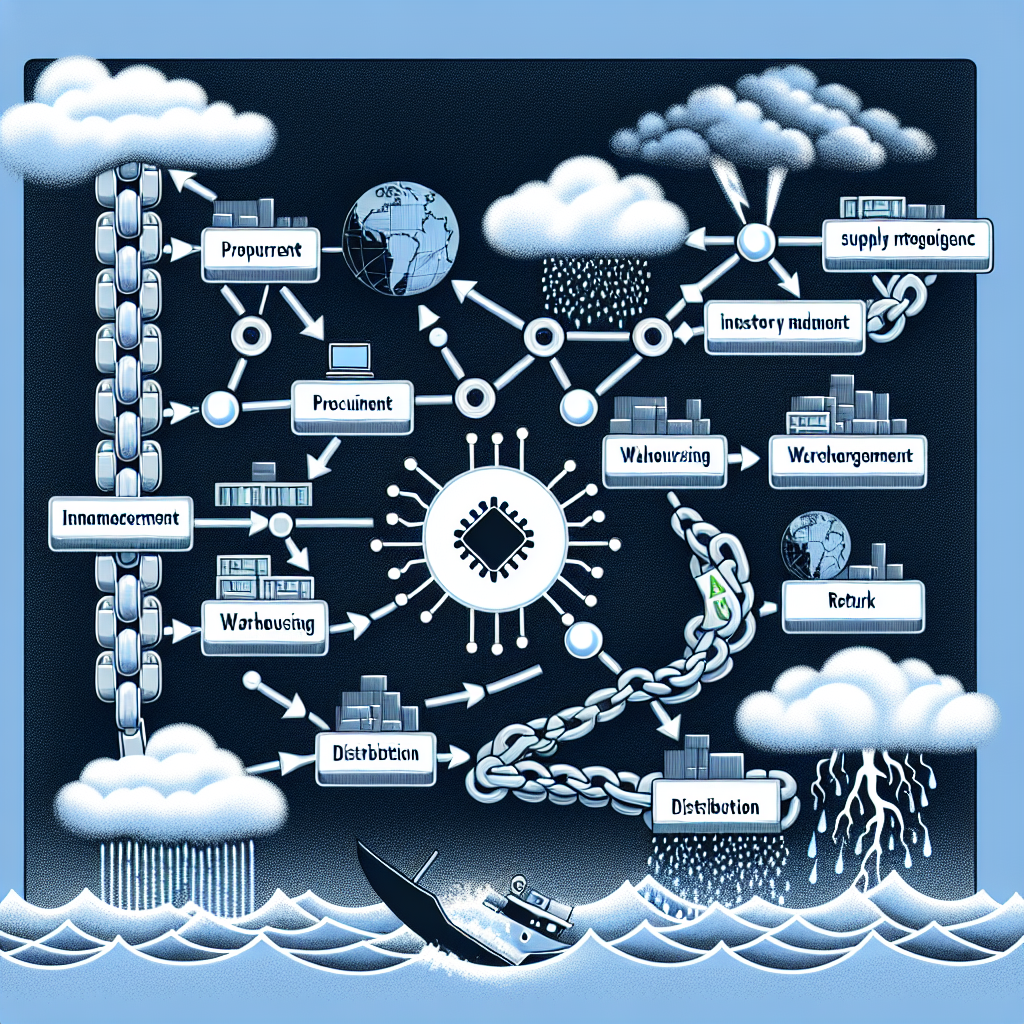
In today’s globalized and interconnected world, supply chain risk management has become increasingly important for companies to ensure the smooth and efficient flow of goods and services. With the rise of complex supply chains and the increasing frequency of disruptions such as natural disasters, geopolitical events, and pandemics, companies are turning to artificial intelligence (AI) to help them better manage and mitigate these risks.
AI has the potential to revolutionize supply chain risk management by providing companies with real-time insights, predictive analytics, and automated decision-making capabilities. By leveraging AI technologies such as machine learning, natural language processing, and predictive analytics, companies can gain a deeper understanding of their supply chain risks, identify potential disruptions before they occur, and develop proactive strategies to mitigate them.
One of the key benefits of AI in supply chain risk management is its ability to analyze vast amounts of data from multiple sources in real-time. This allows companies to detect patterns and trends that may indicate potential risks or disruptions in their supply chain. For example, AI can analyze weather data, social media feeds, news articles, and supplier performance metrics to identify potential risks such as supplier bankruptcies, transportation delays, or quality issues.
In addition to real-time insights, AI can also help companies predict and forecast supply chain risks with greater accuracy. By using historical data and advanced predictive analytics algorithms, AI can identify potential risks before they occur and provide companies with recommendations on how to mitigate them. This proactive approach to risk management can help companies minimize the impact of disruptions on their operations and bottom line.
Furthermore, AI can automate many of the routine tasks involved in supply chain risk management, allowing companies to focus on more strategic activities. For example, AI-powered chatbots can quickly respond to supplier inquiries, track shipments in real-time, and provide status updates to stakeholders. This can help companies improve communication and collaboration with their suppliers and customers, leading to a more resilient and agile supply chain.
Overall, the role of AI in supply chain risk management is to help companies identify, assess, and mitigate risks in their supply chain more effectively and efficiently. By leveraging AI technologies, companies can gain a competitive edge in today’s volatile and uncertain business environment and ensure the continuity of their operations in the face of disruptions.
FAQs:
Q: How can AI help companies manage supply chain risks more effectively?
A: AI can help companies manage supply chain risks more effectively by providing real-time insights, predictive analytics, and automated decision-making capabilities. By analyzing vast amounts of data from multiple sources, AI can detect patterns and trends that may indicate potential risks in the supply chain and provide recommendations on how to mitigate them.
Q: What are some examples of AI applications in supply chain risk management?
A: Some examples of AI applications in supply chain risk management include predictive analytics for forecasting supply chain risks, natural language processing for analyzing unstructured data sources, and machine learning for identifying patterns and trends in supply chain data.
Q: How can companies leverage AI technologies to improve communication and collaboration with their suppliers and customers?
A: Companies can leverage AI technologies such as chatbots and automated messaging systems to improve communication and collaboration with their suppliers and customers. These tools can quickly respond to inquiries, track shipments in real-time, and provide status updates to stakeholders, leading to a more resilient and agile supply chain.
Q: What are the benefits of using AI in supply chain risk management?
A: The benefits of using AI in supply chain risk management include real-time insights, predictive analytics, and automated decision-making capabilities. AI can help companies identify, assess, and mitigate risks in their supply chain more effectively and efficiently, leading to a more resilient and agile supply chain.
Q: How can companies get started with implementing AI in their supply chain risk management strategy?
A: Companies can get started with implementing AI in their supply chain risk management strategy by conducting a thorough assessment of their current risk management practices and identifying areas where AI can add value. They can then work with AI vendors or consultants to develop a customized solution that meets their specific needs and objectives.