
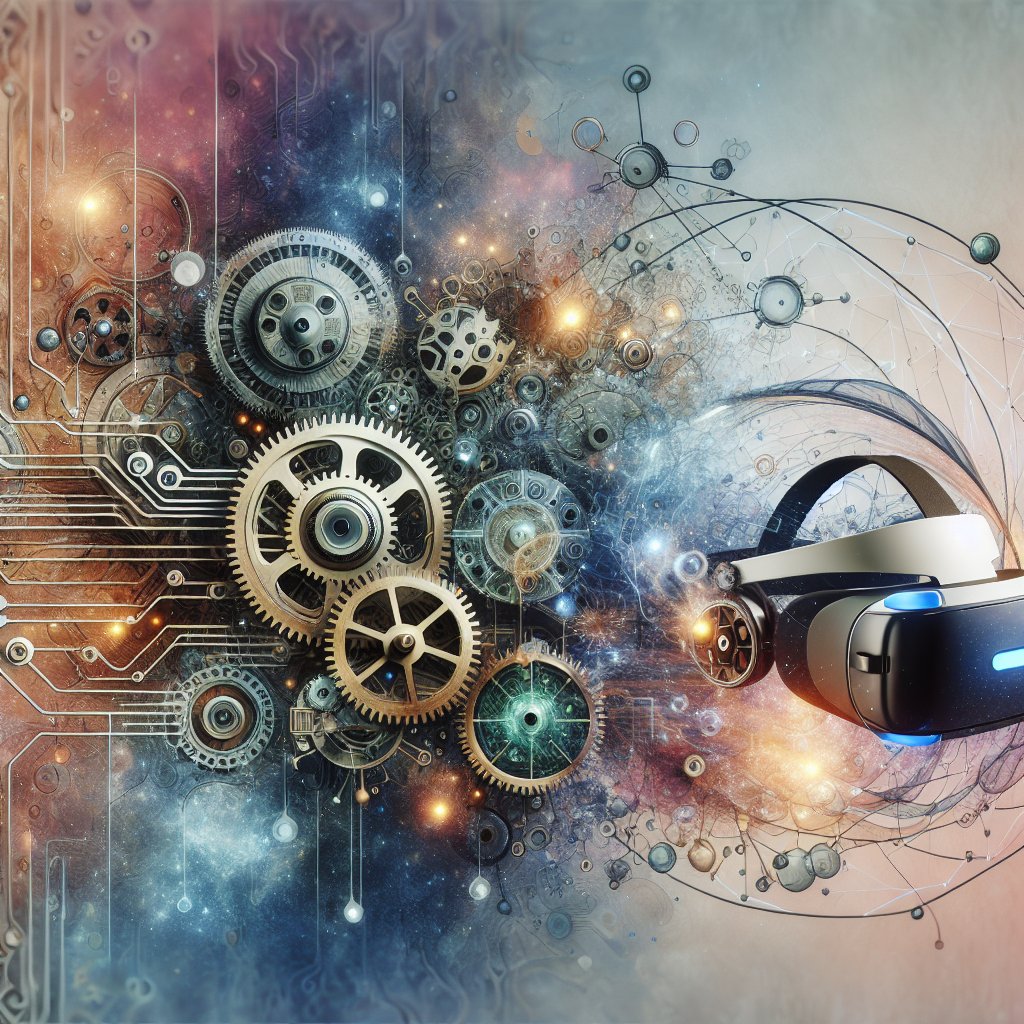
Artificial intelligence (AI) and automation have revolutionized many industries in recent years, and the future of virtual reality (VR) is no exception. As technology continues to advance at a rapid pace, the integration of AI and automation into VR systems holds the potential to transform the way we interact with virtual environments and enhance the overall user experience.
AI Automation in VR
AI automation refers to the use of artificial intelligence technologies to automate tasks that would typically require human intervention. In the context of virtual reality, AI automation can be used to streamline processes, improve efficiency, and enhance the overall user experience.
One of the key areas where AI automation is making a significant impact in VR is in content creation. Traditionally, creating VR content has been a time-consuming and labor-intensive process, requiring skilled developers and designers to create immersive environments and interactive experiences. However, with the integration of AI automation tools, developers can now automate many aspects of the content creation process, such as generating 3D models, textures, and animations, thereby reducing the time and resources required to create high-quality VR content.
Another area where AI automation is being used in VR is in user interaction. AI-powered chatbots and virtual assistants can be integrated into VR systems to provide users with personalized experiences, natural language interaction, and real-time feedback. These AI-powered assistants can help users navigate virtual environments, answer questions, and provide assistance, creating a more immersive and engaging user experience.
Furthermore, AI automation can also be used to enhance the performance and efficiency of VR systems. By using AI algorithms to optimize resource allocation, reduce latency, and improve rendering quality, developers can create VR experiences that are more responsive, realistic, and immersive.
The Future of Virtual Reality
The integration of AI automation into VR systems is just one of the many exciting developments shaping the future of virtual reality. As technology continues to advance, we can expect to see a number of key trends and innovations that will further enhance the capabilities and potential of VR technology.
One of the key trends that will shape the future of VR is the development of more immersive and realistic experiences. As technology continues to improve, VR systems will become more sophisticated, with higher resolution displays, faster refresh rates, and more realistic graphics. This will enable developers to create more immersive and engaging virtual environments that closely resemble the real world.
Another key trend in the future of VR is the integration of augmented reality (AR) technology. AR technology overlays digital information and virtual objects onto the real world, allowing users to interact with virtual content in a more natural and intuitive way. By combining VR and AR technologies, developers can create mixed reality experiences that blend the physical and digital worlds, opening up new possibilities for entertainment, education, and communication.
In addition to more immersive experiences and the integration of AR technology, the future of VR will also be shaped by advancements in haptic feedback technology. Haptic feedback technology enables users to feel and interact with virtual objects using touch-sensitive devices, such as gloves or controllers. By incorporating haptic feedback technology into VR systems, developers can create more realistic and engaging experiences that engage multiple senses and enhance the overall user experience.
Furthermore, the future of VR will also be influenced by advancements in AI and machine learning technology. AI algorithms can be used to personalize VR experiences, predict user behavior, and enhance the overall user experience. By leveraging AI technology, developers can create more intelligent and adaptive VR systems that respond to user input, learn from user interactions, and continuously improve over time.
FAQs
Q: How will AI automation impact the development of VR content?
A: AI automation tools can streamline the content creation process, reducing the time and resources required to create high-quality VR content. Developers can use AI algorithms to generate 3D models, textures, and animations, making it easier to create immersive environments and interactive experiences.
Q: What are some of the key trends shaping the future of virtual reality?
A: Some of the key trends shaping the future of virtual reality include more immersive and realistic experiences, the integration of augmented reality technology, advancements in haptic feedback technology, and the use of AI and machine learning to personalize VR experiences and enhance user interactions.
Q: How can AI automation enhance user interaction in VR systems?
A: AI-powered chatbots and virtual assistants can be integrated into VR systems to provide users with personalized experiences, natural language interaction, and real-time feedback. These AI-powered assistants can help users navigate virtual environments, answer questions, and provide assistance, creating a more immersive and engaging user experience.