
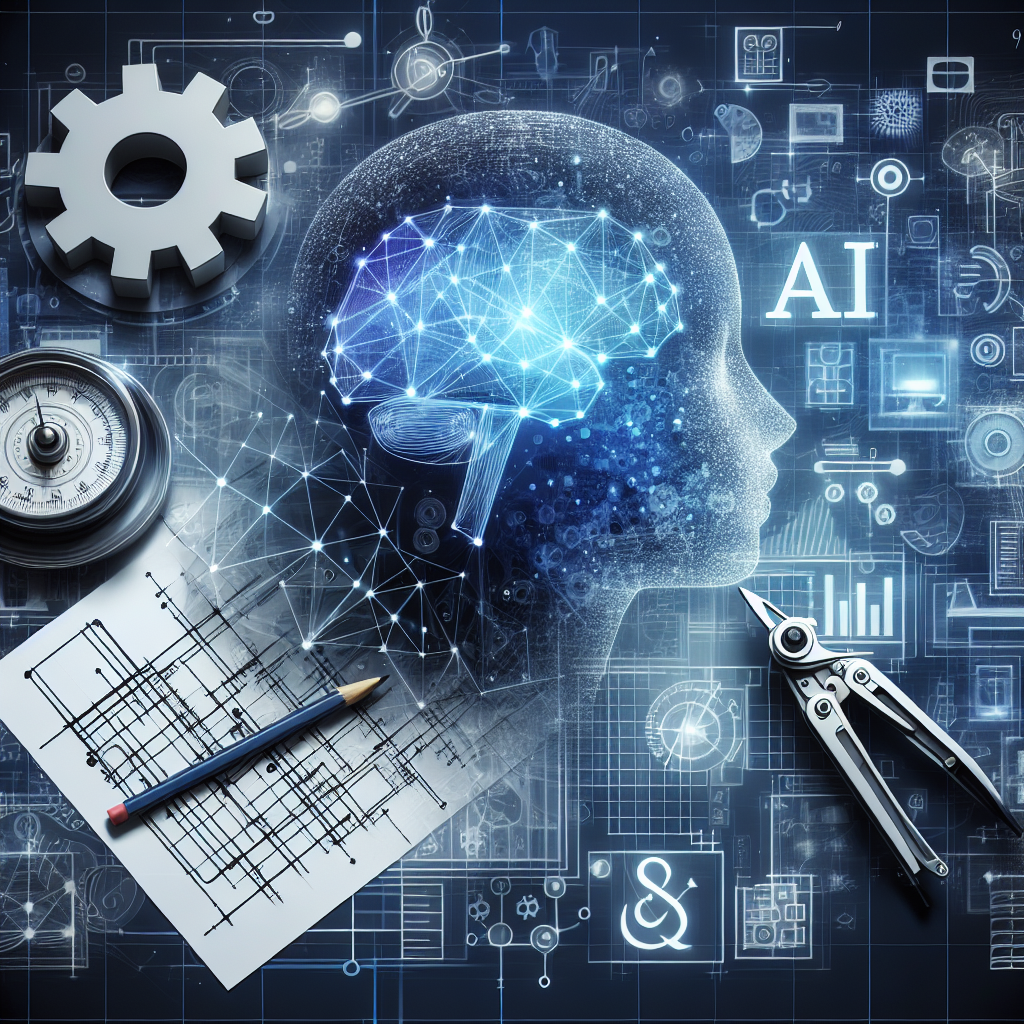
The Impact of AI on Architectural Practice Management
Artificial Intelligence (AI) has become a transformative force in various industries, and architecture is no exception. AI has the potential to revolutionize architectural practice management in numerous ways, from design and planning to project management and client communication. In this article, we will explore the impact of AI on architectural practice management and how it is reshaping the industry.
1. Design and Planning
AI algorithms are increasingly being used to generate design solutions and optimize building layouts. These algorithms can analyze vast amounts of data and generate design options that meet specific criteria, such as building codes, site constraints, and client preferences. AI can also help architects explore different design possibilities quickly and efficiently, allowing them to experiment with new ideas and concepts.
One of the most significant advancements in AI design tools is generative design software. Generative design uses AI algorithms to create thousands of design options based on a set of parameters specified by the architect. This allows architects to explore a wide range of design solutions and select the most optimal one for their project. Generative design can also help architects identify innovative design solutions that they may not have considered otherwise.
2. Project Management
AI can streamline project management processes by automating routine tasks and providing insights into project performance. Project management software powered by AI can help architects track project timelines, budgets, and resources more effectively. AI algorithms can analyze project data and identify potential risks or delays, allowing architects to address issues before they escalate.
AI can also improve communication and collaboration among project stakeholders. AI-powered chatbots can answer common client questions, provide project updates, and schedule meetings, reducing the burden on project managers. AI can also facilitate real-time collaboration among team members by centralizing project information and enabling seamless communication.
3. Energy Efficiency and Sustainability
AI can play a crucial role in improving the energy efficiency and sustainability of buildings. AI algorithms can analyze building performance data, such as energy consumption and indoor climate conditions, and provide recommendations for optimizing energy usage. AI can also help architects design buildings that minimize their environmental impact and reduce carbon emissions.
AI can also assist architects in incorporating sustainable design principles into their projects. AI tools can analyze building materials and construction methods to identify environmentally friendly alternatives. AI can also help architects assess the environmental impact of their designs and make informed decisions that prioritize sustainability.
4. Client Communication
AI can enhance client communication by providing real-time updates, personalized recommendations, and interactive design tools. AI-powered chatbots can answer client inquiries, schedule meetings, and provide project updates, improving client satisfaction and engagement. AI can also help architects present design concepts to clients using virtual reality (VR) and augmented reality (AR) technologies, allowing clients to visualize the final project before construction begins.
FAQs
1. How is AI changing the role of architects in the design process?
AI is transforming the role of architects by automating routine tasks, providing design insights, and enabling faster decision-making. AI tools can generate design options, analyze building performance data, and optimize design solutions, allowing architects to focus on creative problem-solving and innovation.
2. Can AI replace architects in the design process?
While AI can automate certain aspects of the design process, such as generating design options and analyzing data, it cannot replace the creative and critical thinking skills of architects. Architects play a crucial role in translating client preferences, site constraints, and design principles into innovative and functional buildings.
3. How can architects leverage AI in their practice?
Architects can leverage AI in their practice by adopting AI design tools, project management software, and sustainability analytics platforms. By integrating AI into their workflow, architects can improve design efficiency, project management processes, and client communication, ultimately delivering better results for their clients.
4. What are the challenges of implementing AI in architectural practice?
One of the main challenges of implementing AI in architectural practice is the initial investment required to adopt AI tools and train staff. Additionally, architects may face resistance to change from traditional practices and skepticism about the capabilities of AI. Overcoming these challenges requires a strategic approach to integrating AI into the practice and educating staff about the benefits of AI technology.
In conclusion, AI is reshaping architectural practice management by enhancing design capabilities, streamlining project management processes, promoting sustainability, and improving client communication. Architects who embrace AI technology can gain a competitive edge in the industry and deliver innovative and sustainable design solutions for their clients. As AI continues to evolve, its impact on architectural practice management will only grow stronger, paving the way for a more efficient and sustainable built environment.