
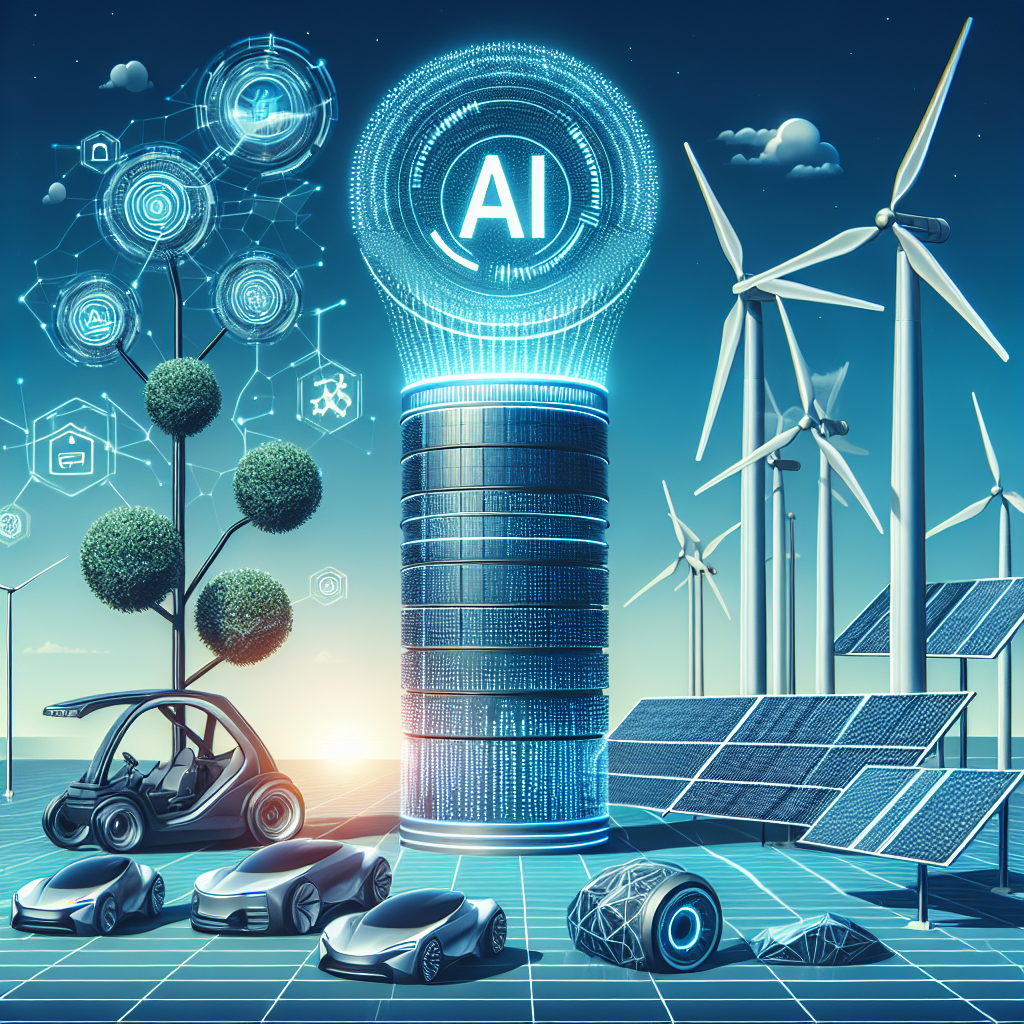
AI-driven Solutions for Sustainable Energy Efficiency and Conservation
Introduction
In recent years, the push for sustainability and conservation of resources has become increasingly urgent. As the global population continues to grow, the demand for energy is rising at an unprecedented rate. This has led to an increased focus on finding innovative solutions to improve energy efficiency and reduce our carbon footprint. One of the most promising technologies in this regard is artificial intelligence (AI), which has the potential to revolutionize the way we manage and optimize energy usage.
AI-driven solutions are being used in a variety of industries to improve efficiency, reduce waste, and lower costs. In the energy sector, AI is being harnessed to optimize energy production, distribution, and consumption. By utilizing machine learning algorithms and data analytics, AI can help identify patterns, predict trends, and optimize energy usage in real time. This can lead to significant reductions in energy consumption, lower costs, and a more sustainable energy system.
Benefits of AI-driven Solutions for Energy Efficiency and Conservation
There are several key benefits to using AI-driven solutions for energy efficiency and conservation. Some of the most notable advantages include:
1. Improved energy efficiency: AI can analyze vast amounts of data to identify inefficiencies and optimize energy usage in real time. This can lead to significant reductions in energy consumption and lower costs.
2. Predictive maintenance: AI can predict when equipment is likely to fail and proactively schedule maintenance to prevent costly breakdowns. This can help reduce downtime, improve reliability, and extend the lifespan of equipment.
3. Demand response: AI can analyze energy usage patterns and predict peak demand periods. This information can be used to adjust energy production and consumption to reduce strain on the grid and lower costs during peak hours.
4. Renewable energy integration: AI can help optimize the integration of renewable energy sources, such as solar and wind power, into the grid. By predicting when these sources will be most productive, AI can help maximize their impact on energy production.
5. Energy storage optimization: AI can help optimize the storage of energy in batteries and other storage devices. By predicting when energy will be in high demand, AI can ensure that stored energy is available when needed most.
6. Building energy management: AI can help optimize the energy usage of buildings by adjusting heating, cooling, and lighting systems based on occupancy and usage patterns. This can lead to significant energy savings and lower operating costs.
FAQs
Q: How does AI improve energy efficiency?
A: AI can analyze vast amounts of data to identify inefficiencies and optimize energy usage in real time. By using machine learning algorithms and data analytics, AI can predict trends and patterns in energy usage, allowing for more efficient energy management.
Q: Can AI help integrate renewable energy sources into the grid?
A: Yes, AI can help optimize the integration of renewable energy sources, such as solar and wind power, into the grid. By predicting when these sources will be most productive, AI can help maximize their impact on energy production.
Q: How can AI help with predictive maintenance?
A: AI can predict when equipment is likely to fail and proactively schedule maintenance to prevent costly breakdowns. By analyzing data from sensors and other sources, AI can identify potential issues before they become serious problems.
Q: How can AI help with energy storage optimization?
A: AI can help optimize the storage of energy in batteries and other storage devices. By predicting when energy will be in high demand, AI can ensure that stored energy is available when needed most.
Q: Can AI help reduce energy costs?
A: Yes, AI can help reduce energy costs by optimizing energy usage, predicting peak demand periods, and integrating renewable energy sources into the grid. By improving energy efficiency and reducing waste, AI can lead to lower energy bills for consumers and businesses alike.
Conclusion
AI-driven solutions have the potential to revolutionize the way we manage and optimize energy usage. By harnessing the power of machine learning algorithms and data analytics, AI can help improve energy efficiency, reduce waste, and lower costs. From predictive maintenance to demand response, AI can help transform the energy sector into a more sustainable and efficient system. As we continue to face the challenges of climate change and resource depletion, AI-driven solutions offer a promising path towards a more sustainable future.