
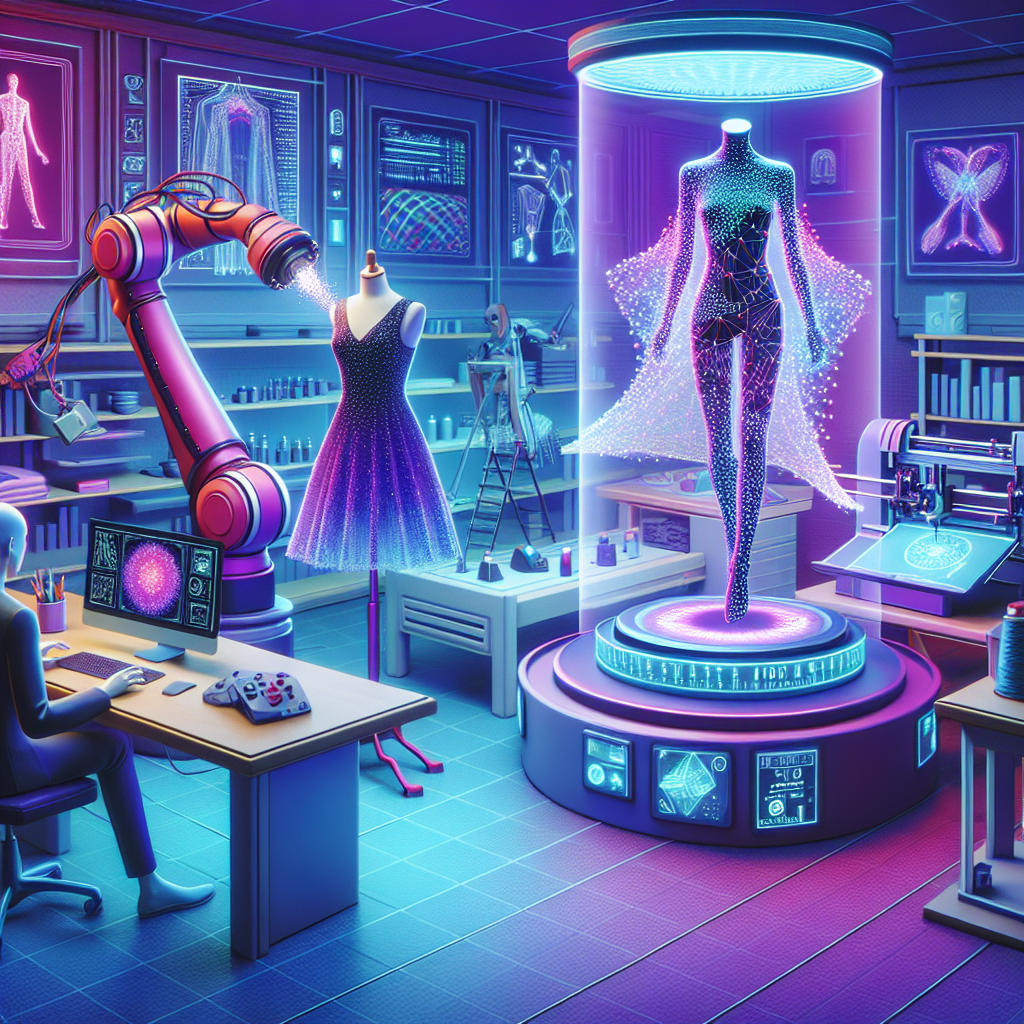
In recent years, artificial intelligence (AI) has been transforming various industries, and the fashion industry is no exception. One of the most significant ways AI is revolutionizing the fashion industry is through the customization of clothing. AI technology is making it possible for consumers to personalize their clothing choices in ways that were previously unimaginable. From custom-fit garments to personalized designs, AI is reshaping the way we think about fashion and how we interact with it. In this article, we will explore how AI is revolutionizing the customization of clothing, the benefits it brings, and the challenges it faces. We will also address some frequently asked questions about AI and clothing customization.
How AI is Revolutionizing Clothing Customization
Traditionally, purchasing clothing off-the-rack meant settling for garments that may not fit perfectly or reflect your personal style. However, AI is changing the game by enabling brands to offer personalized and customized clothing options to consumers. Here are some ways AI is revolutionizing the customization of clothing:
1. Custom Fit: One of the most significant advancements AI has brought to clothing customization is the ability to create custom-fit garments. AI algorithms can analyze a person’s body measurements and create a pattern that fits them perfectly. This technology allows consumers to order clothing that is tailored to their exact measurements, eliminating the need for alterations and ensuring a perfect fit every time.
2. Personalized Designs: AI is also enabling brands to offer personalized designs to consumers. Using machine learning algorithms, brands can analyze a customer’s style preferences and create unique designs that cater to their tastes. This level of personalization allows consumers to express their individuality through their clothing choices and stand out from the crowd.
3. Virtual Try-On: Another way AI is revolutionizing clothing customization is through virtual try-on technology. AI-powered platforms allow consumers to see how a garment will look on them before making a purchase. By using virtual avatars and augmented reality, consumers can try on different styles and colors without ever stepping foot in a store. This technology not only enhances the shopping experience but also reduces the likelihood of returns due to ill-fitting garments.
4. Sustainable Fashion: AI is also contributing to the rise of sustainable fashion by enabling brands to produce clothing on-demand. By using AI algorithms to predict consumer demand and optimize production, brands can reduce waste and minimize their carbon footprint. This shift towards on-demand manufacturing is not only more environmentally friendly but also allows brands to offer personalized clothing options without overproducing inventory.
5. Real-time Feedback: AI is also being used to collect real-time feedback from consumers to improve the customization process. By analyzing customer data and preferences, brands can continuously refine their designs and offerings to better meet the needs of their target audience. This feedback loop ensures that brands stay ahead of trends and deliver a more personalized shopping experience to their customers.
Benefits of AI in Clothing Customization
The integration of AI in clothing customization offers a wide range of benefits for consumers, brands, and the environment. Some of the key benefits include:
1. Personalization: AI technology allows consumers to create clothing that reflects their individual style preferences and fits their body perfectly. This level of personalization enhances the overall shopping experience and increases customer satisfaction.
2. Efficiency: AI-powered customization processes are more efficient and cost-effective than traditional methods. Brands can optimize production, reduce waste, and respond quickly to changing consumer demands, ultimately saving time and resources.
3. Sustainability: By enabling on-demand manufacturing and reducing waste, AI is helping to make the fashion industry more sustainable. Brands can produce clothing in a more environmentally friendly way, reducing their impact on the planet.
4. Innovation: AI is driving innovation in the fashion industry by enabling brands to experiment with new designs and technologies. From virtual try-on experiences to personalized styling recommendations, AI is reshaping the way consumers interact with fashion.
Challenges of AI in Clothing Customization
While AI offers many benefits to the customization of clothing, there are also some challenges that brands and consumers may face. Some of the key challenges include:
1. Data Privacy: AI relies on consumer data to create personalized clothing options, which raises concerns about data privacy and security. Brands must ensure that they are transparent about how they collect and use customer data to build trust with their audience.
2. Quality Control: AI algorithms may not always produce the desired results, leading to issues with quality control. Brands must invest in rigorous testing and validation processes to ensure that their customized clothing meets the highest standards of quality.
3. Accessibility: Not all consumers may have access to AI-powered customization options, as these technologies can be expensive to implement. Brands must consider how to make personalized clothing options more accessible to a wider audience, including those with limited resources.
4. Ethical Concerns: AI algorithms may perpetuate biases and stereotypes in the fashion industry, leading to issues of inclusivity and diversity. Brands must be mindful of how their AI technologies are programmed and ensure that they do not discriminate against certain groups of people.
FAQs about AI and Clothing Customization
Q: How does AI create custom-fit garments?
A: AI algorithms analyze a person’s body measurements and create a pattern that fits them perfectly. This technology enables brands to offer clothing that is tailored to an individual’s exact measurements.
Q: Can AI predict consumer demand for personalized clothing?
A: Yes, AI algorithms can analyze consumer data and preferences to predict trends and optimize production. This allows brands to offer personalized clothing options without overproducing inventory.
Q: How does virtual try-on technology work?
A: Virtual try-on technology uses virtual avatars and augmented reality to allow consumers to see how a garment will look on them before making a purchase. This technology enhances the shopping experience and reduces the likelihood of returns.
Q: How can brands use AI to collect real-time feedback from consumers?
A: Brands can use AI algorithms to analyze customer data and preferences to continuously refine their designs and offerings. This feedback loop ensures that brands stay ahead of trends and deliver a more personalized shopping experience.
In conclusion, AI is revolutionizing the customization of clothing by offering personalized and tailored options to consumers. From custom-fit garments to personalized designs, AI technology is reshaping the way we think about fashion and how we interact with it. While there are challenges to overcome, the benefits of AI in clothing customization are undeniable. By leveraging AI technologies, brands can offer a more personalized shopping experience, reduce waste, and drive innovation in the fashion industry. As AI continues to evolve, the possibilities for customization in clothing are endless, and the future of fashion looks more personalized and sustainable than ever before.