
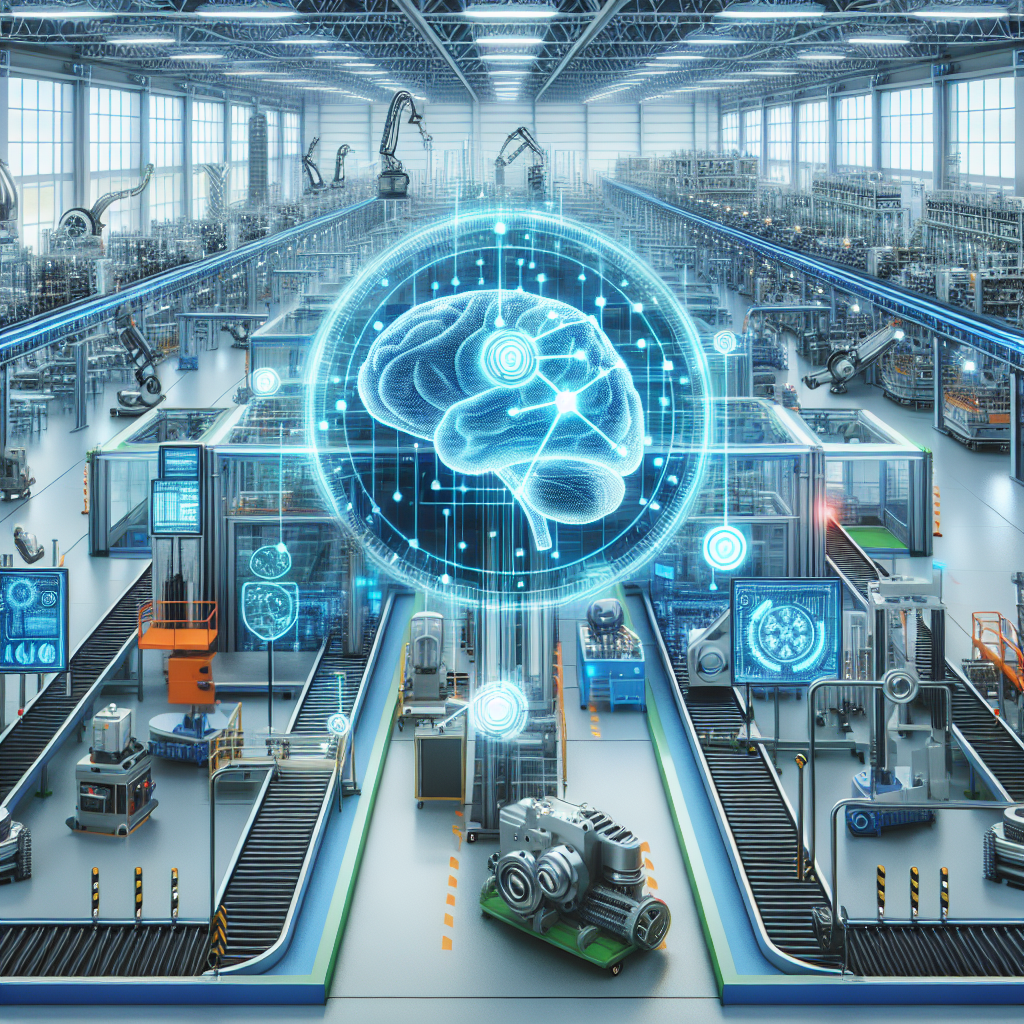
In recent years, artificial intelligence (AI) has become an integral part of the manufacturing industry, revolutionizing the way companies operate and increasing efficiency in production processes. From predictive maintenance to quality control, AI integration in manufacturing has the potential to streamline operations and drive significant cost savings for businesses. In this article, we will explore the various ways in which AI is being used in manufacturing to optimize operations and improve overall efficiency.
One of the key areas where AI is making a significant impact in manufacturing is predictive maintenance. By using AI-powered algorithms to analyze data from sensors and machines, manufacturers can predict when equipment is likely to fail and schedule maintenance before any issues arise. This proactive approach to maintenance not only reduces downtime and costly repairs but also helps extend the lifespan of equipment, ultimately saving companies time and money.
Another important application of AI in manufacturing is in quality control. By using machine learning algorithms to analyze images and data from production lines, manufacturers can quickly identify defects and anomalies in products, allowing them to take corrective action in real-time. This not only helps companies maintain high quality standards but also reduces waste and improves overall customer satisfaction.
AI is also being used to optimize production processes and improve efficiency in manufacturing. By analyzing data from various sources, including sensors, machines, and production lines, AI-powered systems can identify bottlenecks, inefficiencies, and opportunities for improvement. This data-driven approach to process optimization enables manufacturers to make informed decisions that drive productivity and reduce costs.
One of the key benefits of AI integration in manufacturing is its ability to adapt and learn from data over time. By continuously analyzing and optimizing processes, AI systems can help manufacturers stay ahead of the competition and respond quickly to changing market demands. This flexibility and agility are crucial in today’s fast-paced manufacturing environment, where companies must constantly innovate and improve to remain competitive.
In addition to predictive maintenance, quality control, and process optimization, AI is also being used to enhance supply chain management in manufacturing. By analyzing data from suppliers, inventory levels, and production schedules, AI-powered systems can help manufacturers better plan and coordinate their supply chain activities. This not only improves efficiency and reduces costs but also helps companies manage risks and disruptions more effectively.
Overall, AI integration in manufacturing is transforming the industry by streamlining operations, increasing efficiency, and driving cost savings for businesses. By leveraging the power of AI-powered algorithms and data analytics, manufacturers can unlock new levels of productivity and competitiveness in today’s digital age.
FAQs:
Q: How can AI help manufacturers improve quality control?
A: AI can help manufacturers improve quality control by using machine learning algorithms to analyze images and data from production lines, quickly identifying defects and anomalies in products, and allowing for real-time corrective action.
Q: What are some of the benefits of using AI for predictive maintenance in manufacturing?
A: Some of the benefits of using AI for predictive maintenance in manufacturing include reduced downtime, lower maintenance costs, extended equipment lifespan, and improved overall efficiency.
Q: How can AI optimize production processes in manufacturing?
A: AI can optimize production processes in manufacturing by analyzing data from various sources, including sensors, machines, and production lines, to identify bottlenecks, inefficiencies, and opportunities for improvement, ultimately driving productivity and reducing costs.
Q: How can manufacturers leverage AI to enhance supply chain management?
A: Manufacturers can leverage AI to enhance supply chain management by analyzing data from suppliers, inventory levels, and production schedules to better plan and coordinate supply chain activities, improving efficiency, reducing costs, and managing risks more effectively.