
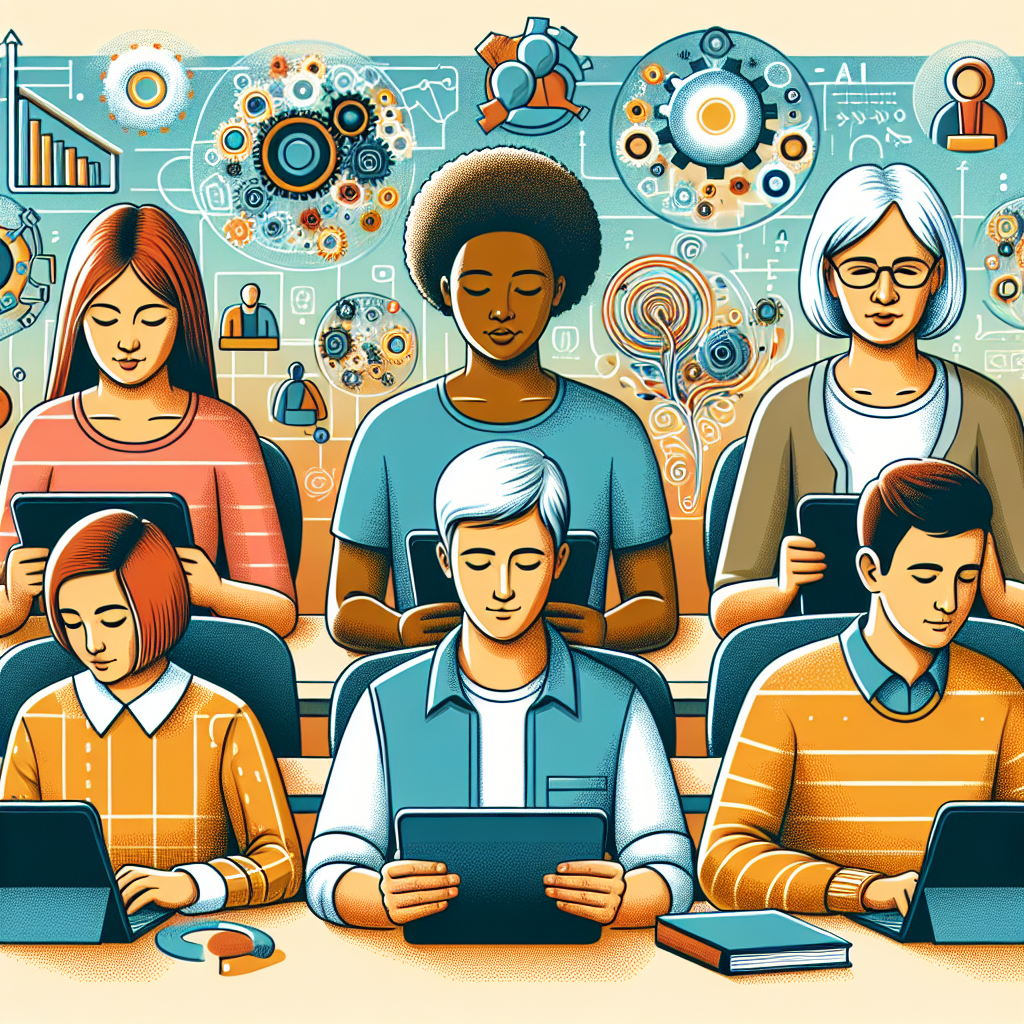
Artificial Intelligence (AI) has been making significant strides in various industries, and education is no exception. In recent years, AI has been increasingly deployed in educational settings to enhance learning experiences and improve student success. From personalized learning to automated grading, AI technology is transforming the way students learn and teachers teach.
AI in education is not about replacing teachers, but rather about augmenting their capabilities and providing them with tools to better support their students. By automating administrative tasks, personalizing learning experiences, and providing real-time feedback, AI can help educators focus on what they do best – teaching.
One of the key benefits of AI in education is its ability to provide personalized learning experiences. Through the use of algorithms and machine learning, AI can analyze each student’s strengths and weaknesses and tailor educational content to their individual needs. This allows students to learn at their own pace and in a way that suits their unique learning style, ultimately leading to improved academic performance.
Another way AI is enhancing learning experiences is through the use of virtual tutors and chatbots. These AI-powered tools can provide students with immediate feedback and support, helping them to better understand complex concepts and overcome learning barriers. Virtual tutors can also assist teachers by providing additional resources and assistance to students who may be struggling.
AI is also being used to automate administrative tasks in education, such as grading assignments and tests. By utilizing AI for grading, teachers can save time and focus on providing more meaningful feedback to their students. This not only streamlines the grading process but also ensures consistency and fairness in assessment.
In addition to personalized learning and automated grading, AI can also be used to identify at-risk students and provide early intervention. By analyzing student data and identifying patterns of behavior, AI can help educators identify students who may be struggling academically or socially. This allows teachers to intervene early and provide the necessary support to help these students succeed.
Furthermore, AI can also be used to enhance collaboration and communication in the classroom. By providing tools for virtual collaboration and online discussions, AI can help students work together on projects and engage in meaningful discussions with their peers. This not only enhances the learning experience but also prepares students for the collaborative nature of the modern workplace.
Despite the numerous benefits of AI deployment in education, there are also challenges and concerns that need to be addressed. One of the main concerns is the potential for bias in AI algorithms. If AI is not properly trained or monitored, it can perpetuate existing biases and inequalities in education. It is essential for educators and developers to be aware of these biases and take steps to mitigate them.
Another challenge is the fear of job displacement among teachers. While AI can automate certain tasks, such as grading, it cannot replace the human connection and empathy that teachers provide. Educators need to embrace AI as a tool to enhance their teaching practices, rather than a threat to their profession.
Furthermore, there are concerns about data privacy and security in the use of AI in education. With the collection of vast amounts of student data, there is a risk of this information being misused or compromised. It is crucial for educational institutions to implement robust data protection measures and ensure that student data is handled securely.
Overall, the deployment of AI in education has the potential to revolutionize the way students learn and teachers teach. By providing personalized learning experiences, automating administrative tasks, and identifying at-risk students, AI can help improve student success and enhance the overall educational experience.
FAQs:
1. How is AI being used in education?
AI is being used in education to provide personalized learning experiences, automate administrative tasks, identify at-risk students, enhance collaboration, and communication, among other things.
2. Is AI replacing teachers?
AI is not replacing teachers but rather augmenting their capabilities and providing them with tools to better support their students. Teachers remain essential in the education process for their human connection and empathy.
3. What are the benefits of AI in education?
Some of the benefits of AI in education include personalized learning experiences, automated grading, early intervention for at-risk students, enhanced collaboration, and communication, among others.
4. What are the challenges of AI deployment in education?
Some of the challenges of AI deployment in education include potential bias in algorithms, job displacement fears among teachers, and concerns about data privacy and security.
5. How can educators ensure the ethical use of AI in education?
Educators can ensure the ethical use of AI in education by being aware of potential biases in algorithms, embracing AI as a tool to enhance teaching practices, implementing robust data protection measures, and ensuring that student data is handled securely.