
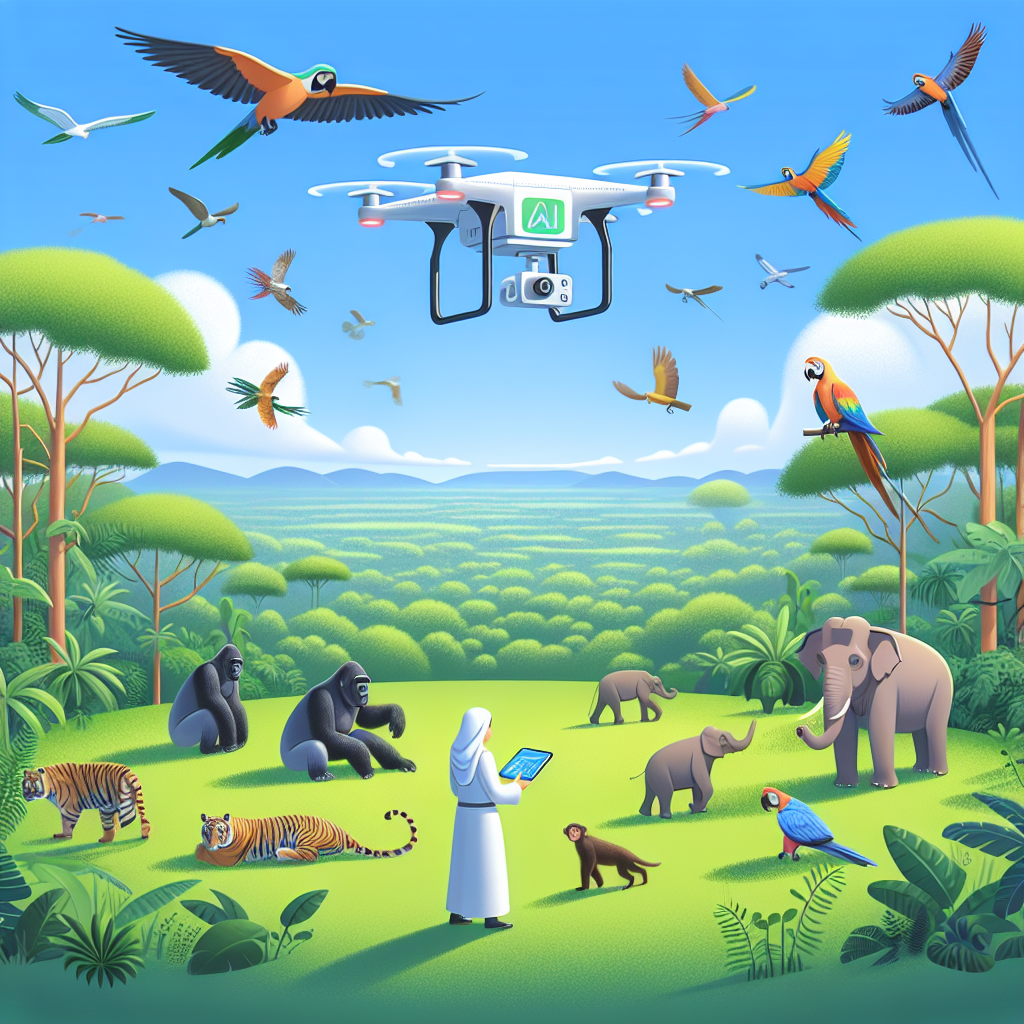
Exploring the Use of AI Software in Biodiversity Conservation
Biodiversity conservation is a critical issue facing our planet today. With the rapid loss of species and ecosystems, there is an urgent need for innovative solutions to protect our natural world. One such solution is the use of artificial intelligence (AI) software in biodiversity conservation efforts.
AI software has the potential to revolutionize the way we monitor and protect biodiversity. By harnessing the power of machine learning and data analysis, AI can help us better understand and manage the complex ecosystems that support life on Earth. From tracking endangered species to predicting the impacts of climate change, AI software offers a range of tools and techniques that can enhance our conservation efforts.
One of the key advantages of AI software in biodiversity conservation is its ability to process large amounts of data quickly and accurately. Traditional methods of monitoring biodiversity, such as field surveys and satellite imagery, can be time-consuming and labor-intensive. AI software can analyze vast amounts of data in a fraction of the time, allowing conservationists to make more informed decisions about how to protect and preserve our natural world.
For example, AI software can be used to analyze satellite imagery to track changes in land use and habitat loss. By identifying areas at risk of deforestation or development, conservationists can prioritize their efforts to protect vital ecosystems and species. AI can also be used to analyze camera trap data to monitor the movements and behaviors of endangered species, helping to inform conservation strategies and interventions.
In addition to monitoring biodiversity, AI software can also be used to predict and mitigate the impacts of climate change on ecosystems. By analyzing climate data and modeling future scenarios, AI can help conservationists identify areas that are most vulnerable to the effects of climate change, such as rising temperatures or changing precipitation patterns. This information can be used to develop targeted conservation strategies that protect vulnerable species and ecosystems.
Another potential application of AI software in biodiversity conservation is in the field of ecological restoration. By analyzing data on ecosystem dynamics and species interactions, AI can help conservationists identify the most effective strategies for restoring degraded habitats and promoting biodiversity. From reintroducing native species to controlling invasive species, AI software can provide valuable insights and recommendations for restoring and enhancing biodiversity in degraded ecosystems.
Despite the many potential benefits of AI software in biodiversity conservation, there are also challenges and limitations to consider. One of the main challenges is the need for high-quality data to train AI algorithms. Without accurate and reliable data, AI software may produce inaccurate or biased results, leading to ineffective conservation strategies. It is essential for conservationists to ensure that the data used to train AI algorithms is of high quality and representative of the ecosystems and species being studied.
Another challenge is the potential for AI software to be used inappropriately or ethically. Conservationists must consider the potential impacts of AI on ecosystems and communities, and ensure that AI is used in a responsible and transparent manner. This includes considering the privacy and security of data, as well as the potential for AI to displace human workers in conservation efforts.
Despite these challenges, the use of AI software in biodiversity conservation holds great promise for the future of conservation. By harnessing the power of machine learning and data analysis, AI can help us better understand and protect the natural world. From monitoring endangered species to predicting the impacts of climate change, AI software offers a range of tools and techniques that can enhance our conservation efforts and preserve biodiversity for future generations.
FAQs
Q: How can AI software help in monitoring endangered species?
A: AI software can analyze camera trap data to monitor the movements and behaviors of endangered species, helping conservationists track populations and inform conservation strategies.
Q: What are some potential applications of AI software in ecological restoration?
A: AI software can help conservationists identify effective strategies for restoring degraded habitats, such as reintroducing native species and controlling invasive species.
Q: What are some of the challenges of using AI software in biodiversity conservation?
A: Challenges include the need for high-quality data to train AI algorithms, potential ethical concerns, and the risk of displacing human workers in conservation efforts.
Q: How can conservationists ensure that AI software is used responsibly?
A: Conservationists must consider the potential impacts of AI on ecosystems and communities, and ensure that AI is used in a transparent and ethical manner, with a focus on data privacy and security.