
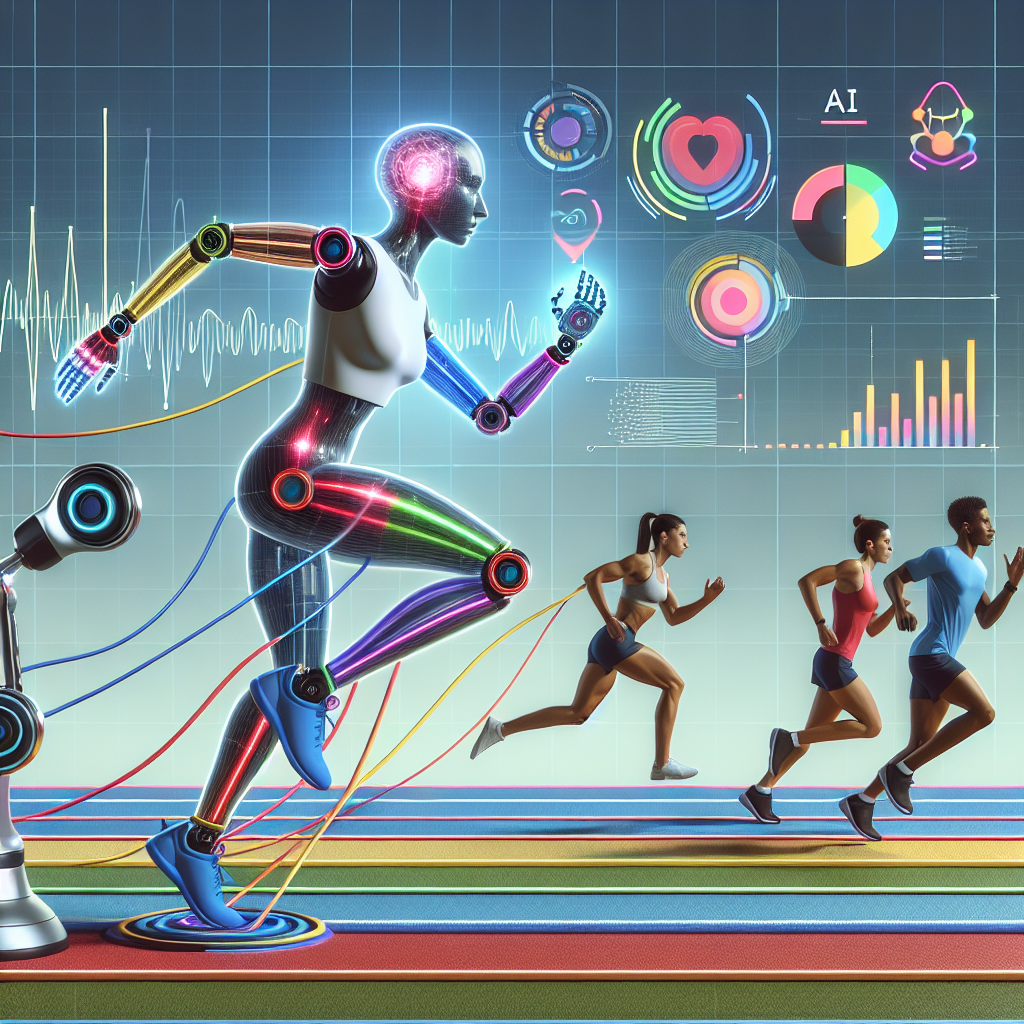
Artificial intelligence (AI) has revolutionized many industries, including sports performance tracking. By harnessing the power of AI, coaches and athletes can gain valuable insights into their performance, leading to improved training programs, better decision-making on the field, and ultimately, enhanced performance. In this article, we will explore the benefits of AI in sports performance tracking and how it is shaping the future of sports.
1. Real-time Data Analysis
One of the key benefits of AI in sports performance tracking is the ability to analyze data in real-time. With AI algorithms, coaches and athletes can track various performance metrics such as speed, distance covered, heart rate, and more, during training sessions and games. This real-time data analysis provides immediate feedback on performance, allowing coaches to make adjustments on the fly and athletes to optimize their training efforts.
2. Improved Training Programs
AI can help coaches create personalized training programs tailored to each athlete’s needs. By analyzing performance data over time, AI algorithms can identify strengths and weaknesses, track progress, and recommend specific drills and exercises to target areas for improvement. This personalized approach to training can lead to more effective and efficient workouts, resulting in better overall performance on the field.
3. Injury Prevention
Another significant benefit of AI in sports performance tracking is its role in injury prevention. By monitoring performance metrics and biomechanics, AI algorithms can flag potential issues such as overtraining, poor technique, or imbalances that may lead to injuries. Coaches and athletes can use this information to adjust training programs, implement corrective exercises, and prevent injuries before they occur.
4. Enhanced Decision-making
AI can also assist coaches and athletes in making better decisions on the field. By analyzing performance data and game situations, AI algorithms can provide insights and recommendations in real-time. For example, AI can suggest optimal strategies, player substitutions, or tactical adjustments based on the current game situation and performance metrics. This real-time support can help teams gain a competitive edge and improve their chances of winning.
5. Performance Prediction
AI algorithms can analyze historical performance data to predict future outcomes. By identifying patterns and trends in performance metrics, AI can forecast individual and team performance, helping coaches and athletes set realistic goals and make informed decisions. This predictive analysis can also be used to optimize training programs, game strategies, and player development plans for maximum performance improvement.
6. Player Development
AI can play a crucial role in player development by tracking and analyzing performance data over time. By monitoring progress, identifying areas for improvement, and setting goals, AI algorithms can help athletes reach their full potential. Coaches can use this information to tailor training programs, provide targeted feedback, and support individual development paths for each player. This personalized approach to player development can lead to improved performance and success on the field.
7. Fan Engagement
AI in sports performance tracking is not only beneficial for coaches and athletes but also for fans. By analyzing performance data and game statistics, AI algorithms can provide engaging insights and visualizations for fans to enjoy. From live player tracking to performance predictions, AI can enhance the fan experience and provide a deeper understanding of the game. This increased fan engagement can lead to a more immersive and interactive sports viewing experience, attracting a wider audience and increasing overall interest in the sport.
FAQs
Q: How is AI used in sports performance tracking?
A: AI is used in sports performance tracking to analyze real-time data, create personalized training programs, prevent injuries, enhance decision-making, predict performance, support player development, and engage fans.
Q: What types of performance metrics can AI track?
A: AI can track various performance metrics such as speed, distance covered, heart rate, power output, acceleration, deceleration, jump height, and more.
Q: How does AI help in injury prevention?
A: AI helps in injury prevention by monitoring performance metrics and biomechanics to identify potential issues such as overtraining, poor technique, or imbalances that may lead to injuries. Coaches and athletes can use this information to adjust training programs and prevent injuries.
Q: How can AI improve decision-making on the field?
A: AI can improve decision-making on the field by analyzing performance data and game situations to provide insights and recommendations in real-time. Coaches and athletes can use this information to make better decisions, optimize strategies, and increase their chances of winning.
In conclusion, AI in sports performance tracking offers a wide range of benefits for coaches, athletes, and fans. From real-time data analysis to personalized training programs, injury prevention, enhanced decision-making, performance prediction, player development, and fan engagement, AI is transforming the way sports are played, coached, and experienced. As AI continues to evolve and improve, we can expect even greater advancements in sports performance tracking, leading to enhanced performance, increased success, and a more engaging sports experience for all.