
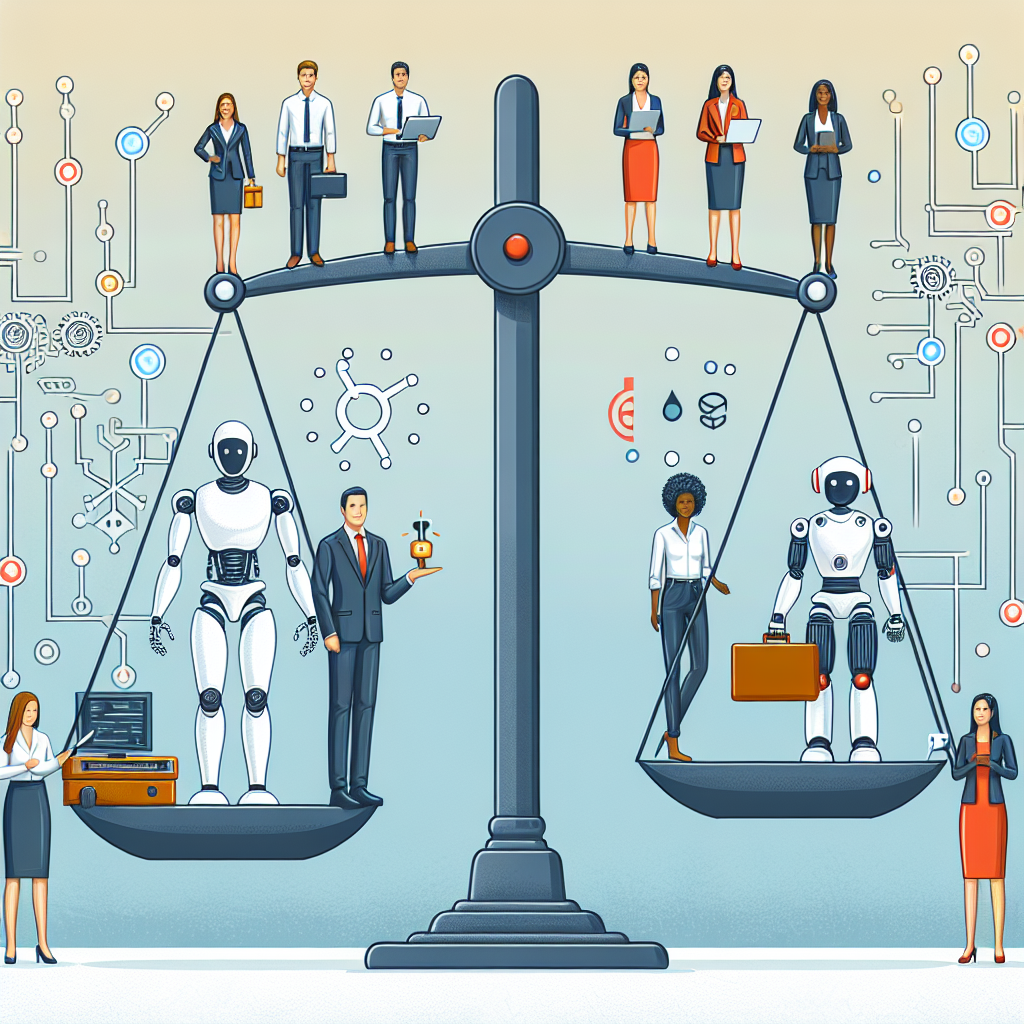
The Impact of AI Integration on the Job Market
Artificial Intelligence (AI) has been a game-changer in various industries, revolutionizing the way businesses operate and increasing efficiency. However, the integration of AI technologies has also raised concerns about its impact on the job market. As AI continues to advance, many fear that automation will lead to job loss and displacement. In this article, we will explore the impact of AI integration on the job market and address some common questions and concerns.
AI and Automation
One of the primary concerns surrounding AI integration is the potential for automation to replace human workers. AI technologies, such as machine learning algorithms and robotic process automation, have the ability to perform routine and repetitive tasks with speed and accuracy. As a result, jobs that involve manual labor or simple decision-making processes are at risk of being automated.
According to a report by McKinsey Global Institute, up to 800 million jobs worldwide could be automated by 2030. This includes jobs in manufacturing, transportation, retail, and customer service. While automation can increase productivity and reduce costs for businesses, it also has the potential to displace workers and create economic challenges.
Job Displacement vs. Job Creation
While automation may lead to job displacement in certain industries, it also has the potential to create new job opportunities in other sectors. AI technologies require skilled workers to develop, implement, and maintain them. As a result, there is a growing demand for data scientists, machine learning engineers, and AI specialists.
According to the World Economic Forum, AI is expected to create 58 million new jobs by 2022. These jobs will require advanced technical skills and expertise in AI technologies. Workers who can adapt and upskill to meet the demands of the digital economy will be well-positioned to take advantage of these new opportunities.
Reskilling and Upskilling
In order to adapt to the changing job market, workers must be willing to reskill and upskill to remain competitive. This involves acquiring new skills and knowledge in emerging technologies, such as AI, data analytics, and cybersecurity. Employers can also play a role in supporting their workforce through training programs and professional development opportunities.
Governments and educational institutions are also taking steps to address the skills gap and prepare workers for the future of work. Initiatives such as coding bootcamps, online courses, and apprenticeship programs are helping individuals gain the skills they need to succeed in the digital economy.
Job Market Trends
The job market is constantly evolving, and AI integration is shaping the future of work in profound ways. Some of the key trends in the job market include:
1. Remote Work: The rise of AI technologies has enabled remote work opportunities for workers around the world. With the ability to collaborate virtually, many companies are embracing remote work as a permanent option for their employees.
2. Gig Economy: The gig economy is on the rise, with more workers opting for freelance and contract work instead of traditional full-time employment. AI technologies have facilitated the growth of the gig economy by connecting freelancers with clients and streamlining payment processes.
3. Skills-Based Hiring: Employers are increasingly prioritizing skills over traditional credentials when hiring new employees. As AI continues to disrupt industries, workers who possess in-demand skills will have a competitive advantage in the job market.
FAQs
Q: Will AI lead to widespread job loss?
A: While automation may lead to job displacement in certain industries, it also has the potential to create new job opportunities in other sectors. Workers who can adapt and upskill will be well-positioned to take advantage of these new opportunities.
Q: What skills are in high demand in the AI job market?
A: Skills in data science, machine learning, and AI technologies are in high demand in the job market. Employers are looking for workers who possess technical expertise and the ability to adapt to new technologies.
Q: How can workers prepare for the impact of AI on the job market?
A: Workers can prepare for the impact of AI by reskilling and upskilling to meet the demands of the digital economy. This involves acquiring new skills in emerging technologies and staying up to date on industry trends.
In conclusion, the integration of AI technologies is transforming the job market in significant ways. While automation may lead to job displacement in certain industries, it also has the potential to create new job opportunities in other sectors. Workers who can adapt and upskill will be well-positioned to succeed in the digital economy. By staying informed about industry trends and acquiring new skills, individuals can prepare for the future of work and thrive in a rapidly changing job market.