
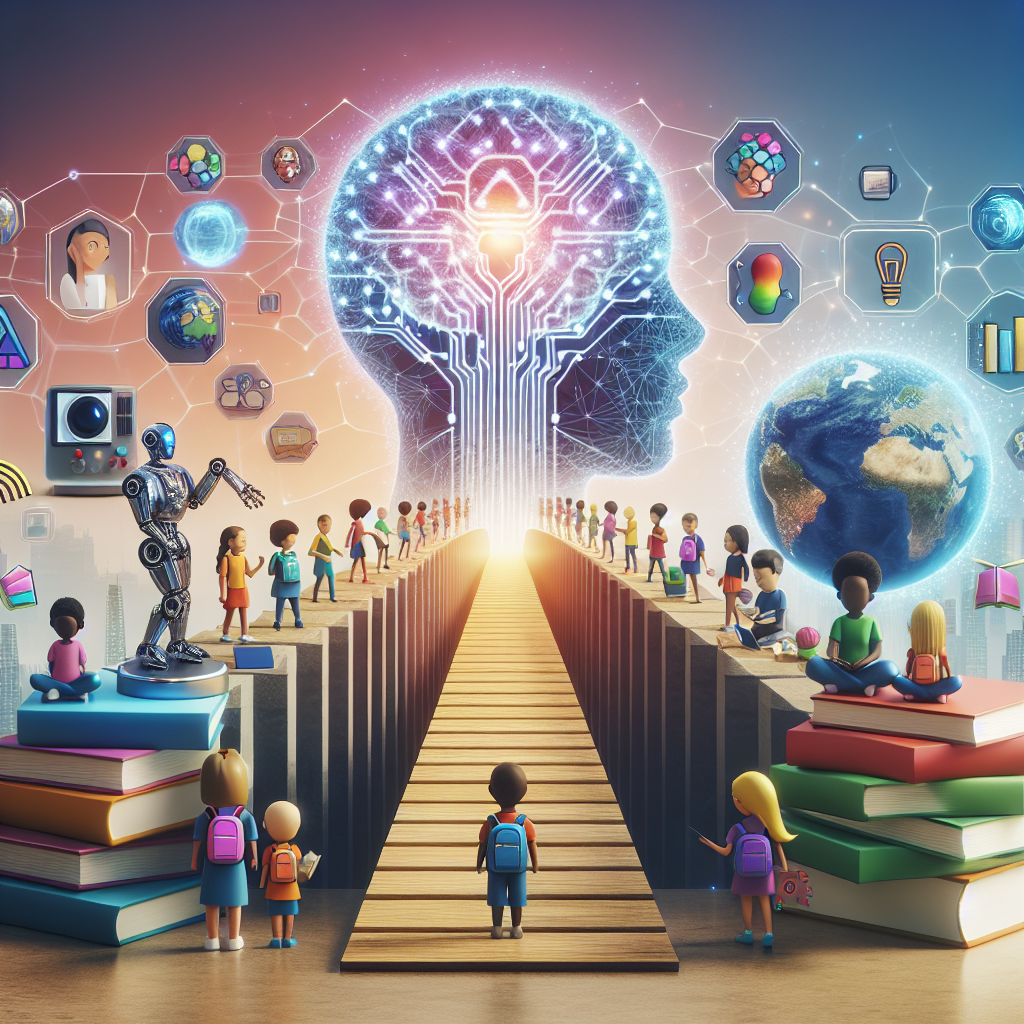
In recent years, the integration of artificial intelligence (AI) in global education systems has gained momentum. AI has the potential to revolutionize the way students learn and teachers teach, bridging the gap between traditional education methods and the needs of the modern world. With the rapid advancements in AI technology, there are endless possibilities for how it can be integrated into education systems to improve learning outcomes, increase access to education, and personalize learning experiences for students.
One of the key benefits of AI in education is its ability to provide personalized learning experiences for students. Through the use of AI-powered learning platforms, students can receive individualized instruction tailored to their specific needs, learning styles, and pace. AI algorithms can analyze student performance data to identify areas where students are struggling and provide targeted interventions to help them improve. This personalized approach to learning can help students stay engaged and motivated, leading to better academic outcomes.
Another important aspect of AI in education is its potential to increase access to education for students around the world. With the help of AI-powered tools, students in remote or underserved areas can access high-quality educational resources and receive instruction from virtual teachers. This can help bridge the gap in educational opportunities between students in urban and rural areas, providing equal access to education for all.
AI can also help teachers improve their instructional practices and better support student learning. By analyzing student performance data, AI algorithms can provide insights to teachers on how to adjust their teaching strategies to meet the needs of individual students. This can help teachers identify areas where students are struggling and provide targeted interventions to help them improve. Additionally, AI-powered tools can help teachers automate administrative tasks, such as grading assignments and providing feedback, allowing them to focus more on teaching and supporting student learning.
Despite the potential benefits of AI in education, there are also challenges and concerns that need to be addressed. One of the main concerns is the potential for AI to replace human teachers. While AI can provide valuable support to teachers and enhance the learning experience for students, it cannot replace the human connection and emotional intelligence that teachers bring to the classroom. It is important to find a balance between the use of AI technology and the role of human teachers in education to ensure that students receive a well-rounded and holistic learning experience.
Another challenge is the potential for bias and discrimination in AI algorithms. As AI systems are trained on historical data, there is a risk that they may perpetuate existing biases and inequalities in education. It is important for educators and developers to be aware of these biases and take steps to mitigate them, such as ensuring that AI algorithms are transparent and accountable in their decision-making processes.
Overall, the integration of AI in global education has the potential to revolutionize the way students learn and teachers teach, bridging the gap between traditional education methods and the needs of the modern world. By leveraging AI technology to provide personalized learning experiences, increase access to education, and support teachers in their instructional practices, we can create a more inclusive and equitable education system for all students.
FAQs:
Q: How can AI be integrated into global education systems?
A: AI can be integrated into global education systems through the use of AI-powered learning platforms, virtual teachers, and personalized learning tools. Educators can leverage AI technology to provide individualized instruction, increase access to education for students in remote areas, and support teachers in their instructional practices.
Q: What are the benefits of using AI in education?
A: The benefits of using AI in education include personalized learning experiences for students, increased access to education for underserved populations, and support for teachers in their instructional practices. AI technology can help improve learning outcomes, increase student engagement, and provide valuable insights to educators to enhance the learning experience for students.
Q: What are the challenges and concerns of using AI in education?
A: Some of the challenges and concerns of using AI in education include the potential for AI to replace human teachers, bias and discrimination in AI algorithms, and the need for educators to be aware of these issues and take steps to address them. It is important to find a balance between the use of AI technology and the role of human teachers in education to ensure that students receive a well-rounded and holistic learning experience.