
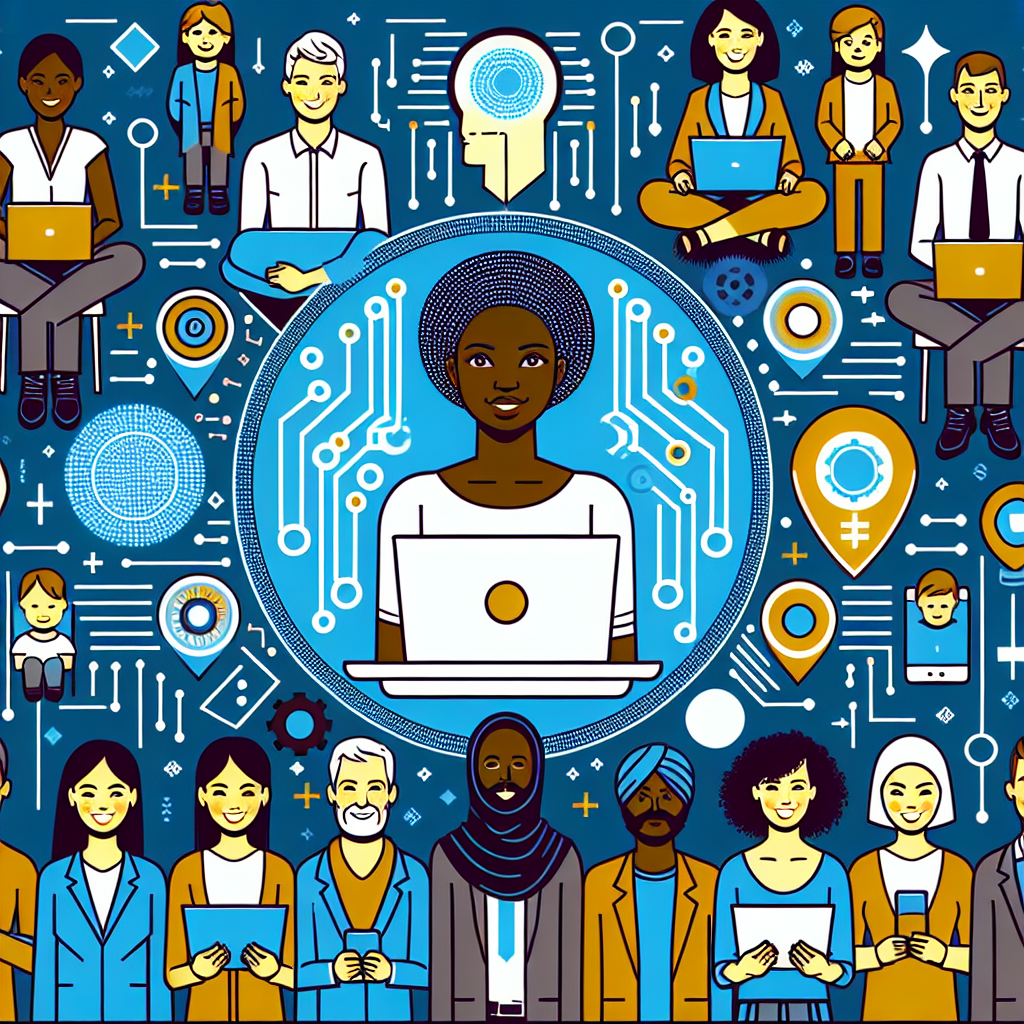
In recent years, artificial intelligence (AI) has become increasingly integrated into our daily lives, impacting everything from healthcare and education to finance and transportation. While AI has the potential to revolutionize industries and improve efficiency, there are concerns about the lack of diversity and inclusion in the development and deployment of AI technologies. In order to ensure that AI is used ethically and responsibly, it is essential to democratize AI and promote equity and inclusion in technology.
What is Democratizing AI?
Democratizing AI refers to the idea of making AI accessible and inclusive to a wide range of people, regardless of their background or expertise. This includes ensuring that AI technologies are developed in a transparent and ethical manner, and that the benefits of AI are distributed equitably across society. Democratizing AI also involves increasing diversity in the AI workforce and promoting the involvement of underrepresented groups in the development and deployment of AI technologies.
Why is Democratizing AI Important?
There are several reasons why democratizing AI is important for ensuring equity and inclusion in technology. First and foremost, AI technologies have the potential to impact all aspects of society, from healthcare and education to criminal justice and transportation. In order to ensure that these technologies are used ethically and responsibly, it is essential to involve a diverse range of voices in their development and deployment.
Second, there is a growing concern about the lack of diversity in the AI workforce. Studies have shown that women and people of color are underrepresented in the field of AI, which can lead to biased and discriminatory algorithms. By promoting diversity and inclusion in the AI workforce, we can ensure that AI technologies are developed in a way that is fair and equitable for all.
Finally, democratizing AI can help to address the digital divide and ensure that everyone has access to the benefits of AI technologies. By making AI more accessible and inclusive, we can bridge the gap between those who have access to cutting-edge technologies and those who do not, creating a more equitable and just society.
How Can We Democratize AI?
There are several ways in which we can democratize AI and ensure equity and inclusion in technology. One important step is to increase diversity in the AI workforce by promoting the involvement of underrepresented groups in the development and deployment of AI technologies. This can be done through programs that provide training and mentorship to women and people of color who are interested in pursuing a career in AI.
Another key aspect of democratizing AI is to promote transparency and accountability in the development of AI technologies. This includes ensuring that algorithms are developed in a way that is fair and unbiased, and that the data used to train these algorithms is representative of the diverse range of people who will be affected by them. By making AI technologies more transparent and accountable, we can ensure that they are used in a way that is ethical and responsible.
In addition, it is important to educate the public about AI and its potential impacts on society. By increasing awareness and understanding of AI technologies, we can empower people to advocate for the responsible development and deployment of AI technologies. This can help to ensure that AI is used in a way that promotes equity and inclusion for all members of society.
FAQs
Q: What are some examples of biased AI algorithms?
A: There have been several high-profile cases of biased AI algorithms in recent years. For example, a study found that a popular AI-powered healthcare app was less accurate at diagnosing skin cancer in people with darker skin tones. This is because the algorithm was trained on a dataset that was primarily composed of images of lighter-skinned individuals, leading to biased results for people with darker skin tones.
Q: How can we address bias in AI algorithms?
A: One way to address bias in AI algorithms is to ensure that the data used to train these algorithms is representative of the diverse range of people who will be affected by them. This includes collecting diverse and inclusive datasets, and regularly auditing algorithms for bias and discrimination. It is also important to involve a diverse range of voices in the development and deployment of AI technologies, in order to ensure that biases are identified and addressed early on in the process.
Q: What are some ways to promote diversity in the AI workforce?
A: There are several ways to promote diversity in the AI workforce. This includes providing training and mentorship programs for women and people of color who are interested in pursuing a career in AI, as well as creating a more inclusive and welcoming work environment for underrepresented groups. It is also important to address systemic barriers to entry in the field of AI, such as lack of access to education and mentorship opportunities.
Q: How can we ensure that AI technologies are used ethically and responsibly?
A: In order to ensure that AI technologies are used ethically and responsibly, it is important to promote transparency and accountability in the development and deployment of these technologies. This includes ensuring that algorithms are developed in a way that is fair and unbiased, and that the data used to train these algorithms is representative of the diverse range of people who will be affected by them. It is also important to involve a diverse range of voices in the development and deployment of AI technologies, in order to ensure that ethical considerations are taken into account throughout the process.