
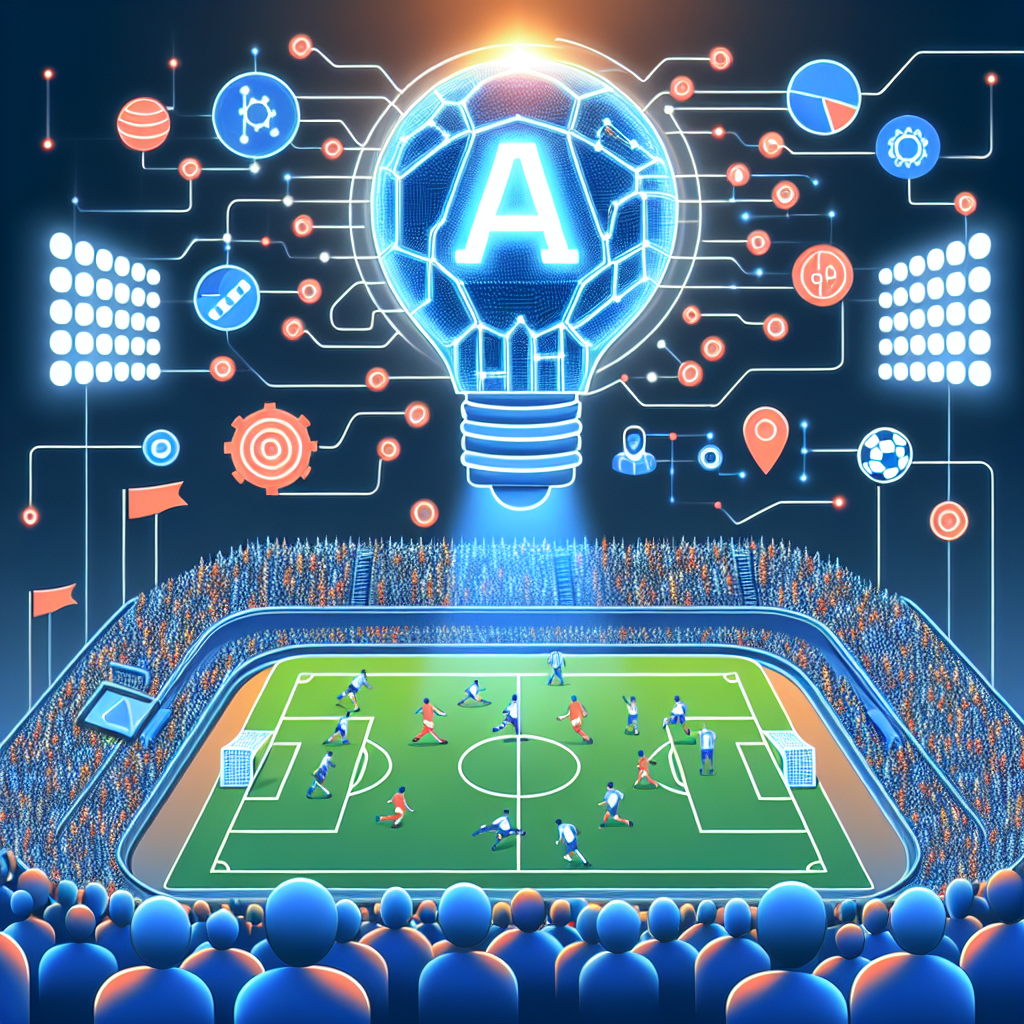
The sports industry is one of the largest and most lucrative industries in the world, with billions of dollars being generated every year through ticket sales, merchandise, broadcasting rights, and sponsorship deals. In recent years, the rise of artificial intelligence (AI) has had a significant impact on sports event marketing, redefining the way teams and organizations engage with fans and drive revenue.
AI technology has revolutionized the way sports events are marketed and promoted, allowing teams to better understand their fans, personalize their marketing efforts, and create more engaging and immersive experiences for audiences. From predictive analytics to chatbots, AI is transforming the sports marketing landscape and helping teams and organizations reach new heights of success.
Predictive Analytics
One of the key ways in which AI is redefining sports event marketing is through the use of predictive analytics. Predictive analytics uses machine learning algorithms to analyze data and make predictions about future outcomes. In the sports industry, predictive analytics can be used to forecast ticket sales, predict fan behavior, and identify trends that can help teams better target their marketing efforts.
For example, AI can analyze data from past events, social media engagement, and ticket sales to predict which fans are most likely to attend an upcoming game and what kind of marketing strategies are most likely to resonate with them. This allows teams to tailor their marketing campaigns to specific fan segments, increasing the likelihood of driving ticket sales and engagement.
Personalization
Another way in which AI is redefining sports event marketing is through the personalization of marketing efforts. AI technology allows teams to create personalized experiences for fans, from targeted email campaigns to customized social media content. By analyzing data on fan preferences, behaviors, and demographics, teams can deliver targeted messages that resonate with individual fans and drive engagement.
For example, AI can analyze a fan’s past ticket purchases, social media interactions, and website visits to create personalized recommendations for upcoming events or merchandise. This level of personalization can help teams build stronger relationships with fans, increase loyalty, and drive revenue.
Chatbots
AI-powered chatbots have also become a valuable tool for sports event marketing, providing fans with instant access to information and assistance. Chatbots can answer common fan questions, provide updates on games and events, and even facilitate ticket sales and reservations. By leveraging AI technology, teams can enhance the fan experience and streamline their marketing efforts.
Furthermore, chatbots can also be used to collect valuable data on fan preferences and behaviors, allowing teams to better understand their audience and tailor their marketing strategies accordingly. By integrating chatbots into their marketing campaigns, teams can improve fan engagement, drive ticket sales, and enhance the overall fan experience.
Virtual Reality
Virtual reality (VR) is another AI-powered technology that is redefining sports event marketing. VR allows fans to experience games and events in a whole new way, immersing themselves in the action and feeling like they are part of the game. Teams can use VR technology to create virtual experiences for fans, such as virtual tours of stadiums, behind-the-scenes access, and interactive games.
By leveraging VR technology, teams can engage fans in new and exciting ways, driving excitement and anticipation for upcoming events. VR can also be used to attract new fans and expand the reach of the team, as fans from around the world can experience games and events in real-time through virtual reality.
FAQs
Q: How is AI used in sports event marketing?
A: AI is used in sports event marketing to analyze data, predict fan behavior, personalize marketing efforts, and create immersive experiences for fans. AI technology allows teams to better understand their audience, tailor their marketing campaigns to individual fans, and drive ticket sales and engagement.
Q: What are some examples of AI-powered technologies used in sports event marketing?
A: Some examples of AI-powered technologies used in sports event marketing include predictive analytics, chatbots, virtual reality, and personalized marketing campaigns. These technologies help teams create more engaging and personalized experiences for fans, driving revenue and loyalty.
Q: How can AI help teams improve fan engagement?
A: AI can help teams improve fan engagement by analyzing data on fan preferences, behaviors, and demographics to create personalized marketing campaigns that resonate with individual fans. By leveraging AI technology, teams can better understand their audience and tailor their marketing efforts to drive engagement and loyalty.
Q: What are the benefits of using AI in sports event marketing?
A: The benefits of using AI in sports event marketing include increased fan engagement, personalized experiences, improved targeting of marketing campaigns, and enhanced fan satisfaction. AI technology allows teams to create more immersive and engaging experiences for fans, driving revenue and loyalty.
In conclusion, AI is redefining sports event marketing by enabling teams to better understand their fans, personalize their marketing efforts, and create more engaging and immersive experiences. From predictive analytics to chatbots, AI-powered technologies are transforming the way teams and organizations engage with fans and drive revenue. By leveraging AI technology, teams can create more personalized and engaging experiences for fans, driving loyalty and revenue to new heights.