
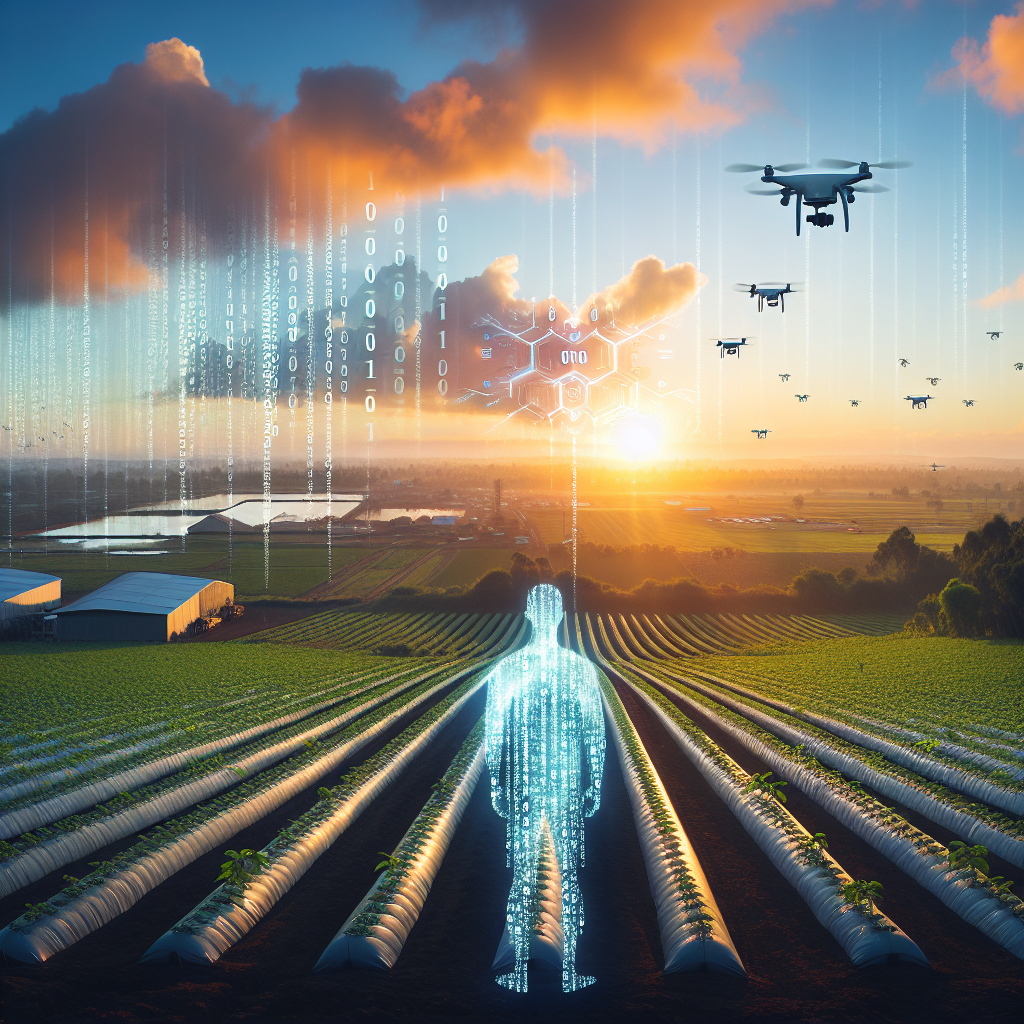
Agriculture is a vital industry that plays a crucial role in sustaining global food security. However, like any other industry, it is susceptible to various challenges that can impact its productivity and resilience. Climate change, pest infestations, and fluctuating market prices are just a few of the factors that can disrupt agricultural activities and threaten food production.
In recent years, the adoption of artificial intelligence (AI) in agriculture has been on the rise, offering innovative solutions to enhance agricultural resilience. AI-powered tools have the potential to revolutionize the way farmers manage their crops, livestock, and resources, enabling them to make informed decisions and improve their overall efficiency.
AI-powered tools utilize machine learning algorithms to analyze vast amounts of data and provide valuable insights to farmers. By harnessing the power of AI, farmers can better predict and mitigate the impact of various risks on their crops and livestock, ultimately improving their resilience to external factors.
One of the key benefits of AI-powered tools in agriculture is their ability to optimize resource management. By analyzing weather patterns, soil conditions, and crop health data, AI algorithms can recommend the most effective irrigation schedules, fertilizer applications, and pest control strategies. This not only helps farmers reduce their input costs but also ensures that resources are utilized more efficiently, leading to higher crop yields and improved resilience to external factors.
AI-powered tools can also enhance risk management in agriculture by providing real-time insights into potential threats to crops and livestock. By monitoring data from sensors, satellites, and weather stations, AI algorithms can detect early signs of pest infestations, diseases, and extreme weather events, allowing farmers to take proactive measures to protect their crops and livestock. This proactive approach to risk management can significantly reduce the impact of external factors on agricultural productivity and resilience.
Furthermore, AI-powered tools can improve decision-making in agriculture by providing farmers with accurate and timely information to guide their actions. By analyzing historical data and predicting future trends, AI algorithms can help farmers make informed decisions about planting schedules, crop rotations, and market strategies. This data-driven approach to decision-making can enable farmers to adapt quickly to changing conditions and improve their overall resilience to external factors.
In addition to resource management, risk management, and decision-making, AI-powered tools can also enhance sustainability in agriculture. By promoting precision agriculture practices, AI algorithms can help farmers reduce their environmental footprint and minimize the use of harmful chemicals and fertilizers. This not only benefits the environment but also improves the long-term sustainability of agricultural operations, making them more resilient to external factors.
Overall, AI-powered tools have the potential to transform agriculture by enhancing its resilience to external factors and improving its overall efficiency. By harnessing the power of AI, farmers can better manage their resources, mitigate risks, make informed decisions, and promote sustainability in their operations. As the agricultural industry continues to face various challenges, AI-powered tools offer a promising solution to help farmers adapt and thrive in an ever-changing environment.
FAQs:
1. What are some examples of AI-powered tools used in agriculture?
– Some examples of AI-powered tools used in agriculture include crop monitoring systems, livestock health monitoring systems, yield prediction models, and automated irrigation systems.
2. How can AI-powered tools help farmers improve their crop yields?
– AI-powered tools can help farmers improve their crop yields by optimizing resource management, enhancing risk management, and improving decision-making. By analyzing data and providing valuable insights, AI algorithms can help farmers increase their crop yields and improve their overall productivity.
3. Are AI-powered tools affordable for small-scale farmers?
– While some AI-powered tools may require initial investments, there are also more affordable options available for small-scale farmers. In recent years, there has been a growing trend towards developing cost-effective AI solutions tailored to the needs of small-scale farmers, making it easier for them to adopt these technologies.
4. How can farmers benefit from using AI-powered tools in agriculture?
– Farmers can benefit from using AI-powered tools in agriculture by improving their resource management, enhancing their risk management, making informed decisions, and promoting sustainability in their operations. By harnessing the power of AI, farmers can enhance their resilience to external factors and improve their overall efficiency.
5. What are some challenges associated with adopting AI-powered tools in agriculture?
– Some challenges associated with adopting AI-powered tools in agriculture include the initial cost of investment, the need for technical training and support, and concerns about data privacy and security. However, as the technology continues to evolve and become more accessible, these challenges are gradually being addressed, making it easier for farmers to adopt AI-powered tools in their operations.