
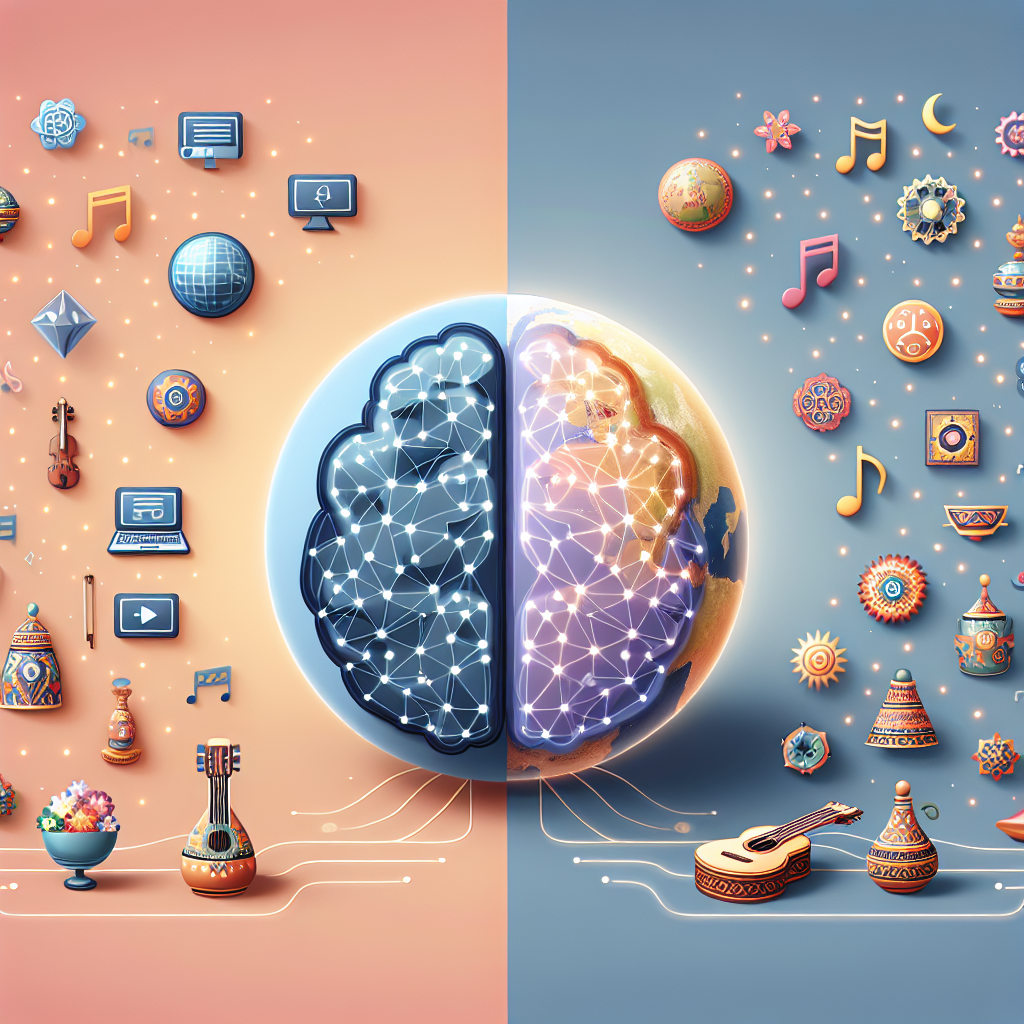
Artificial Intelligence (AI) is revolutionizing the way we live, work, and learn. In the field of education, AI has the potential to transform the way students learn and teachers teach. One important aspect of integrating AI into education is ensuring that it promotes cultural competence. Cultural competence in education refers to the ability of educators to understand and effectively teach students from diverse cultural backgrounds. AI has the potential to enhance cultural competence by providing personalized learning experiences that are tailored to the individual needs and backgrounds of students.
The Importance of Cultural Competence in Education
Cultural competence is essential in education because it helps to ensure that all students have equal access to quality education. When educators are culturally competent, they are better equipped to understand the unique strengths, challenges, and learning styles of students from different cultural backgrounds. This allows them to create a more inclusive and supportive learning environment that meets the needs of all students.
Cultural competence in education also helps to foster a sense of belonging and acceptance among students from diverse backgrounds. When students see themselves reflected in the curriculum and feel understood and valued by their teachers, they are more likely to engage in learning and achieve academic success. Additionally, cultural competence helps to break down stereotypes and prejudices, promoting a more inclusive and respectful school community.
How AI can Enhance Cultural Competence in Education
AI has the potential to enhance cultural competence in education in a variety of ways. One of the key ways that AI can promote cultural competence is by providing personalized learning experiences that are tailored to the individual needs and backgrounds of students. AI algorithms can analyze data on students’ learning styles, preferences, and cultural backgrounds to create personalized learning plans that meet the unique needs of each student.
AI can also help educators to create more culturally inclusive and diverse curriculum materials. By analyzing data on student demographics and cultural backgrounds, AI can identify gaps in representation and suggest ways to make the curriculum more inclusive and relevant to all students. For example, AI algorithms can recommend books, videos, and other resources that feature diverse characters and perspectives, helping to ensure that all students see themselves reflected in the curriculum.
AI can also be used to provide real-time language translation services, helping to break down language barriers and ensure that all students have equal access to the curriculum. This can be particularly helpful for students who are learning English as a second language or who speak a language that is not widely spoken in their school community.
Finally, AI can help educators to identify and address biases in their teaching practices. By analyzing data on student outcomes and feedback, AI algorithms can help educators to identify areas where they may be unintentionally favoring certain groups of students over others. This can help educators to adjust their teaching practices to be more equitable and inclusive, promoting cultural competence in the classroom.
FAQs
Q: How can AI help educators to create more inclusive and diverse curriculum materials?
A: AI algorithms can analyze data on student demographics and cultural backgrounds to identify gaps in representation in the curriculum. AI can recommend books, videos, and other resources that feature diverse characters and perspectives, helping to ensure that all students see themselves reflected in the curriculum.
Q: How can AI help educators to provide personalized learning experiences for students from diverse cultural backgrounds?
A: AI algorithms can analyze data on students’ learning styles, preferences, and cultural backgrounds to create personalized learning plans that meet the unique needs of each student. This helps to ensure that all students have equal access to quality education.
Q: How can AI help educators to identify and address biases in their teaching practices?
A: AI algorithms can analyze data on student outcomes and feedback to identify areas where educators may be unintentionally favoring certain groups of students over others. This can help educators to adjust their teaching practices to be more equitable and inclusive, promoting cultural competence in the classroom.