
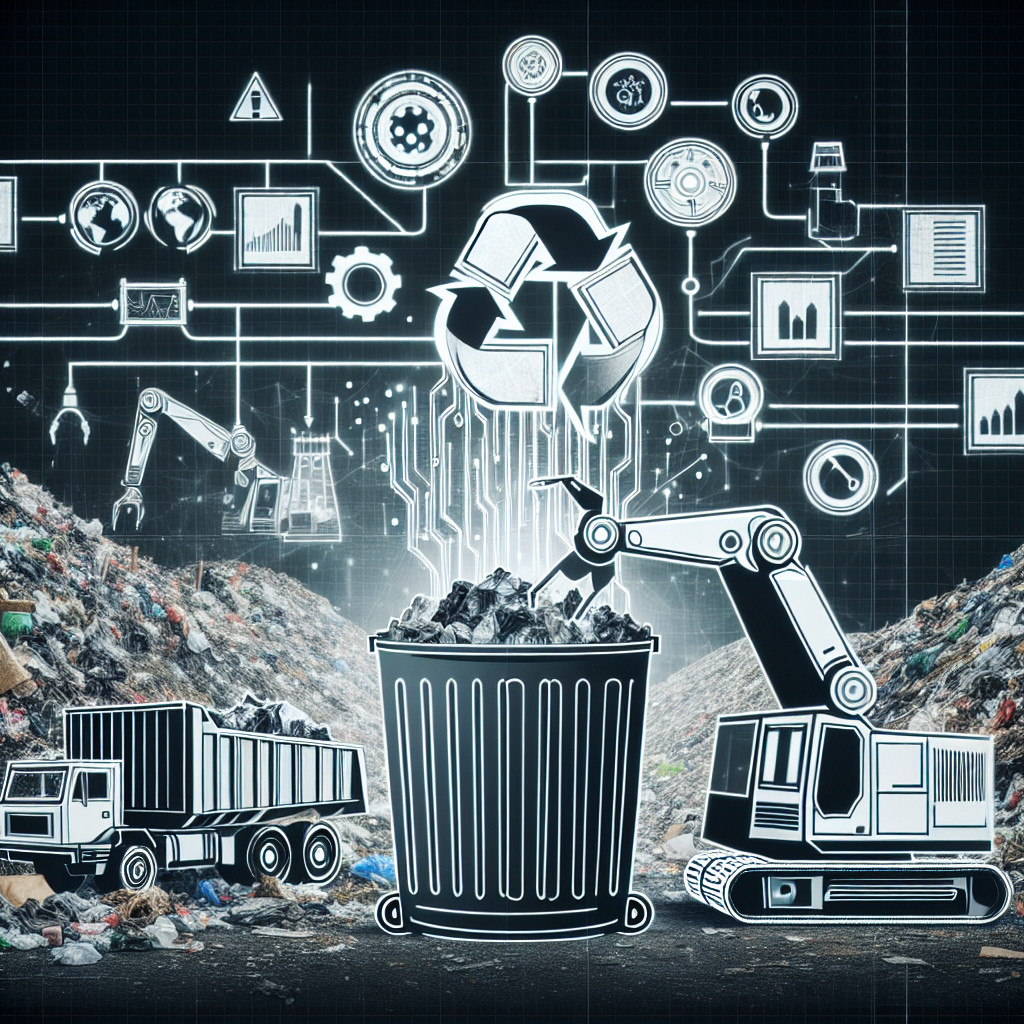
Waste management is an essential aspect of modern society as we grapple with the challenges of increasing urbanization and consumption. With the rise of artificial intelligence (AI) technology, waste management practices have been revolutionized, offering new ways to optimize processes, reduce costs, and improve overall efficiency. AI software is playing an increasingly important role in waste management, offering solutions that can help address the growing waste problem facing communities around the world.
AI software in waste management encompasses a wide range of applications, from sorting and recycling to route optimization and predictive maintenance. By harnessing the power of machine learning algorithms, AI software can analyze vast amounts of data to identify patterns, optimize processes, and make informed decisions in real-time. This can help waste management companies and municipalities improve their operations, reduce costs, and minimize environmental impact.
One of the key areas where AI software is making a significant impact in waste management is in waste sorting and recycling. Traditional waste sorting processes are labor-intensive and time-consuming, often relying on manual sorting by workers. AI software can automate this process by using computer vision technology to identify and sort different types of waste materials quickly and accurately. This not only speeds up the sorting process but also helps increase the efficiency of recycling operations by ensuring that materials are correctly sorted and processed.
Another important application of AI software in waste management is in route optimization. Waste collection and disposal require careful planning to ensure that resources are used efficiently and costs are minimized. AI software can analyze historical data, traffic patterns, and other factors to optimize waste collection routes, reducing travel time, fuel consumption, and emissions. This can help waste management companies save money, reduce their carbon footprint, and improve service levels for customers.
Predictive maintenance is another area where AI software is making a difference in waste management. By analyzing data from sensors and other sources, AI algorithms can predict when equipment such as trucks, compactors, or recycling machinery is likely to fail. This allows maintenance teams to proactively address issues before they become costly problems, reducing downtime and improving the overall reliability of waste management operations.
In addition to these key applications, AI software can also be used to monitor and analyze waste generation patterns, identify opportunities for waste reduction and recycling, and track the environmental impact of waste management activities. By providing insights and recommendations based on real-time data, AI software can help waste management companies and municipalities make informed decisions that lead to more sustainable and efficient waste management practices.
Despite the many benefits of AI software in waste management, there are also challenges and limitations to consider. For example, the initial cost of implementing AI technology can be high, and there may be resistance from workers who fear job displacement. Additionally, AI algorithms are only as good as the data they are trained on, so ensuring the accuracy and reliability of data inputs is critical to the success of AI applications in waste management.
To help address some common questions about the role of AI software in waste management, below is a list of frequently asked questions and answers:
1. How can AI software improve waste sorting and recycling processes?
AI software can use computer vision technology to identify and sort different types of waste materials quickly and accurately, helping to increase the efficiency of recycling operations and reduce contamination.
2. What are the benefits of using AI software for route optimization in waste management?
AI software can analyze data to optimize waste collection routes, reducing travel time, fuel consumption, and emissions, leading to cost savings and environmental benefits.
3. How does AI software support predictive maintenance in waste management?
AI algorithms can analyze data from sensors to predict when equipment is likely to fail, allowing maintenance teams to proactively address issues and reduce downtime.
4. What are some of the challenges of implementing AI software in waste management?
Challenges include the high initial cost of implementation, potential job displacement concerns, and the need for accurate and reliable data inputs to ensure the success of AI applications.
In conclusion, AI software is playing an increasingly important role in waste management, offering solutions that can help improve efficiency, reduce costs, and minimize environmental impact. By leveraging the power of machine learning algorithms, waste management companies and municipalities can optimize processes, make informed decisions, and ultimately create more sustainable and efficient waste management practices. While there are challenges to overcome, the potential benefits of AI software in waste management are significant, making it an essential tool for addressing the growing waste problem facing communities around the world.