
The Role of AI Automation in Wildlife Conservation
Wildlife conservation is a critical issue facing our planet today. With the increasing threats of habitat loss, climate change, poaching, and human-wildlife conflict, it has become more important than ever to protect and preserve our natural world. One tool that is increasingly being used in the field of wildlife conservation is artificial intelligence (AI) automation. AI automation refers to the use of machine learning algorithms to automate tasks that would typically require human intervention. In the context of wildlife conservation, AI automation can be used to monitor and protect endangered species, track animal populations, analyze data, and even predict future trends in wildlife conservation.
AI automation is particularly well-suited for wildlife conservation for several reasons. Firstly, it can be used to collect and analyze vast amounts of data in a short amount of time. This is especially important in the field of wildlife conservation, where researchers often need to track and monitor large populations of animals over vast areas. AI automation can process this data quickly and efficiently, allowing researchers to make informed decisions based on real-time information. Additionally, AI automation can be used to identify patterns and trends in data that may not be immediately apparent to human researchers. This can help conservationists to better understand the threats facing wildlife populations and develop targeted conservation strategies to address them.
One of the key ways in which AI automation is being used in wildlife conservation is in the monitoring of endangered species. By using AI-powered cameras and sensors, researchers can track the movements and behaviors of endangered species in their natural habitats. This data can be used to identify threats to these species, such as poaching or habitat loss, and develop conservation plans to protect them. For example, AI automation is being used to monitor the movements of African elephants in real-time, allowing researchers to track their migration patterns and identify areas where they are at risk of conflict with humans.
Another important application of AI automation in wildlife conservation is in the analysis of data collected from field surveys and monitoring programs. By using machine learning algorithms, researchers can analyze this data to identify trends and patterns that may be indicative of changes in wildlife populations or habitat conditions. This can help conservationists to predict future trends and develop proactive conservation strategies to protect wildlife populations. For example, AI automation can be used to analyze data from camera traps to estimate population sizes of endangered species, such as tigers or rhinos, and track changes in their numbers over time.
AI automation is also being used to predict the impacts of climate change on wildlife populations. By analyzing historical data on climate patterns and wildlife populations, researchers can use machine learning algorithms to predict how changes in temperature, rainfall, and habitat conditions may affect different species. This can help conservationists to develop strategies to mitigate the impacts of climate change on wildlife populations and ensure their long-term survival.
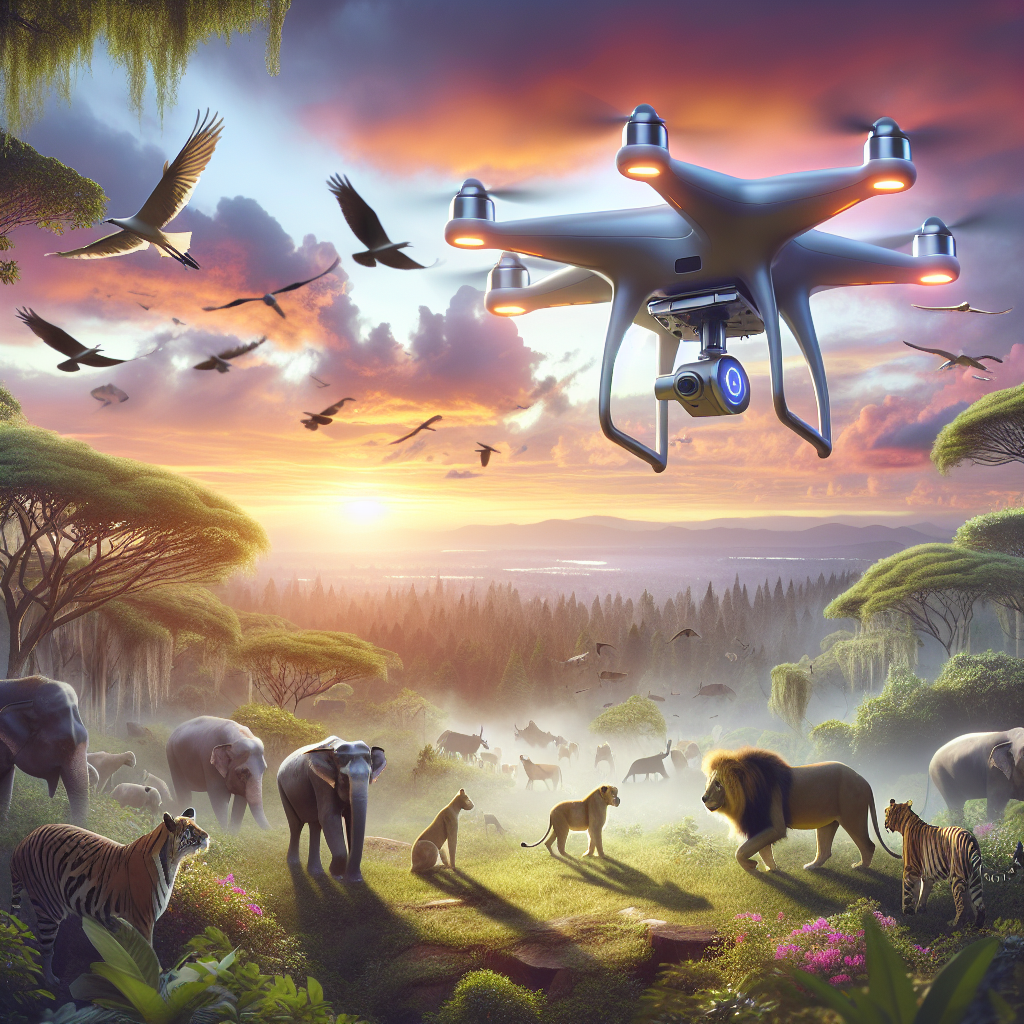
In addition to monitoring and analyzing data, AI automation can also be used to assist in the enforcement of wildlife protection laws. By using AI-powered drones and sensors, conservationists can patrol protected areas and identify illegal activities, such as poaching or deforestation. This can help to deter illegal activities and protect endangered species from harm. For example, AI automation is being used to monitor the movements of poachers in African national parks, allowing rangers to track their activities and apprehend them before they can harm wildlife.
Overall, AI automation has the potential to revolutionize the field of wildlife conservation by providing researchers with powerful tools to monitor, analyze, and protect endangered species. By leveraging the capabilities of artificial intelligence, conservationists can make more informed decisions and develop more effective conservation strategies to protect our natural world for future generations.
FAQs:
Q: How does AI automation help in monitoring wildlife populations?
A: AI automation can be used to track the movements and behaviors of animals in their natural habitats using cameras and sensors. This data can help researchers to monitor wildlife populations and identify threats to their survival.
Q: What are some examples of AI automation in wildlife conservation?
A: Examples of AI automation in wildlife conservation include monitoring endangered species, analyzing data from field surveys, predicting the impacts of climate change, and enforcing wildlife protection laws.
Q: How can AI automation help in predicting the impacts of climate change on wildlife populations?
A: By analyzing historical data on climate patterns and wildlife populations, researchers can use machine learning algorithms to predict how changes in temperature, rainfall, and habitat conditions may affect different species.
Q: How is AI automation being used to enforce wildlife protection laws?
A: AI automation is being used to patrol protected areas using drones and sensors to identify illegal activities, such as poaching or deforestation. This can help to deter illegal activities and protect endangered species from harm.