
The Role of AI in Sports Injury Prevention Programs
In the world of sports, injuries are a common occurrence that can have a significant impact on an athlete’s performance and career. From sprains and strains to more serious injuries like torn ligaments and fractures, athletes are constantly at risk of getting hurt while training or competing. However, with advancements in technology, specifically artificial intelligence (AI), sports injury prevention programs are becoming more effective at helping athletes stay healthy and injury-free.
AI is revolutionizing the way sports injury prevention programs are designed and implemented. By using machine learning algorithms and data analytics, AI can analyze an athlete’s movements, biomechanics, and performance metrics to identify potential risk factors for injury. This data-driven approach allows coaches and sports medicine professionals to tailor training programs to address these risk factors and reduce the likelihood of injuries occurring.
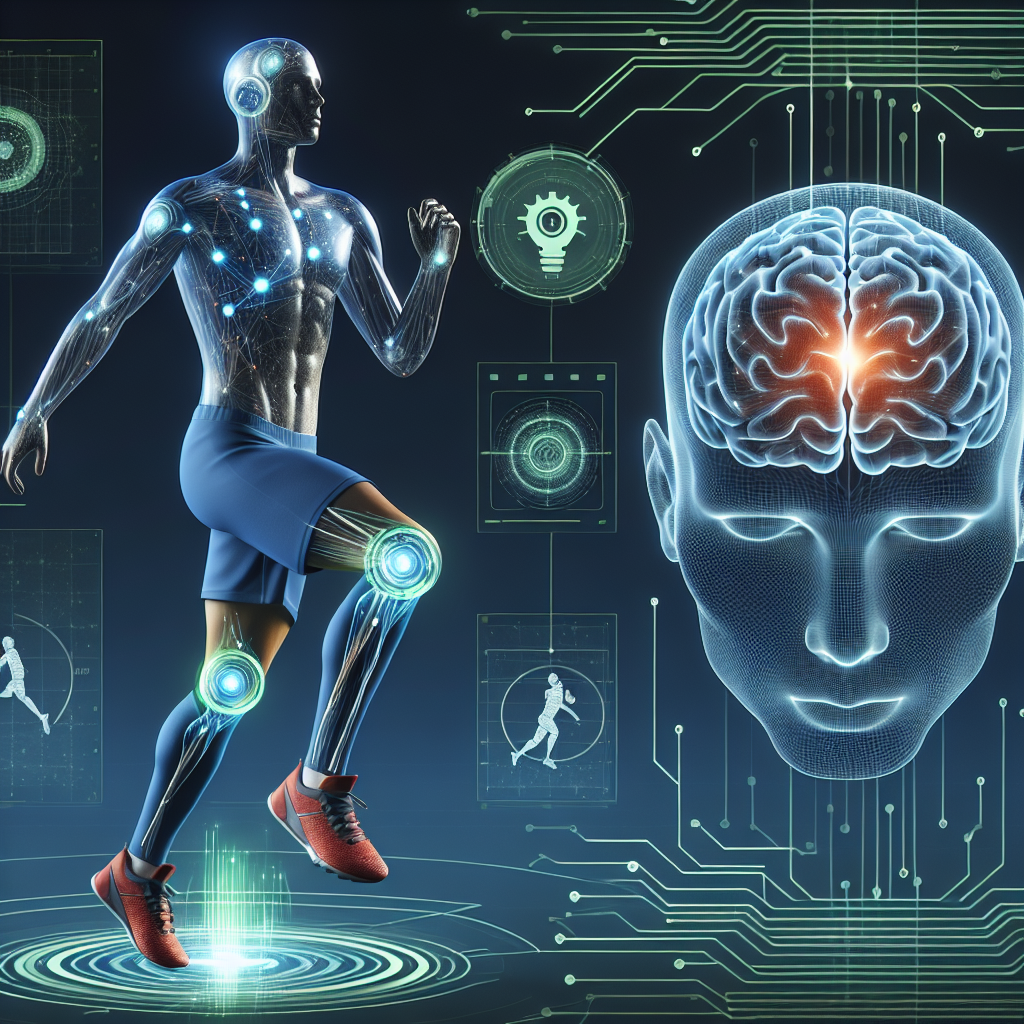
One of the key ways AI is being used in sports injury prevention is through motion analysis. By using sensors and cameras to track an athlete’s movements during training and competition, AI can identify inefficient movement patterns or biomechanical imbalances that may predispose an athlete to injury. Coaches can then use this data to make real-time adjustments to an athlete’s technique or training regimen to reduce the risk of injury.
Another way AI is being used in sports injury prevention is through predictive analytics. By analyzing large datasets of injury history, performance metrics, and other relevant information, AI can identify patterns and trends that may indicate an athlete is at increased risk of injury. Coaches and sports medicine professionals can use this information to proactively intervene and implement preventive measures to reduce the likelihood of an injury occurring.
AI is also being used to develop personalized injury prevention programs for athletes. By combining data from motion analysis, predictive analytics, and other sources, AI can create individualized training plans that address each athlete’s specific risk factors for injury. These personalized programs can help athletes optimize their training and performance while minimizing the risk of injury.
In addition to injury prevention, AI is also being used to enhance rehabilitation programs for athletes who have been injured. By tracking an athlete’s progress during rehabilitation, AI can provide real-time feedback and adjustments to ensure a safe and effective recovery. This can help athletes return to competition faster and with reduced risk of reinjury.
Overall, AI is playing a crucial role in revolutionizing sports injury prevention programs. By leveraging the power of data analytics and machine learning, AI can help athletes stay healthy, perform at their best, and prolong their careers in a safe and sustainable manner.
FAQs
Q: How does AI analyze an athlete’s movements to prevent injuries?
A: AI uses sensors and cameras to track an athlete’s movements during training and competition. By analyzing this data, AI can identify inefficient movement patterns or biomechanical imbalances that may predispose an athlete to injury.
Q: How can coaches use AI to prevent injuries in athletes?
A: Coaches can use AI to analyze data on an athlete’s performance, injury history, and other relevant information to identify potential risk factors for injury. They can then tailor training programs to address these risk factors and reduce the likelihood of injuries occurring.
Q: Can AI help athletes recover from injuries faster?
A: Yes, AI can help athletes recover from injuries faster by tracking their progress during rehabilitation and providing real-time feedback and adjustments to ensure a safe and effective recovery.
Q: Are personalized injury prevention programs using AI effective?
A: Yes, personalized injury prevention programs using AI have been shown to be effective in reducing the risk of injuries in athletes. By tailoring training programs to address each athlete’s specific risk factors for injury, AI can help athletes optimize their training and performance while minimizing the risk of injury.