
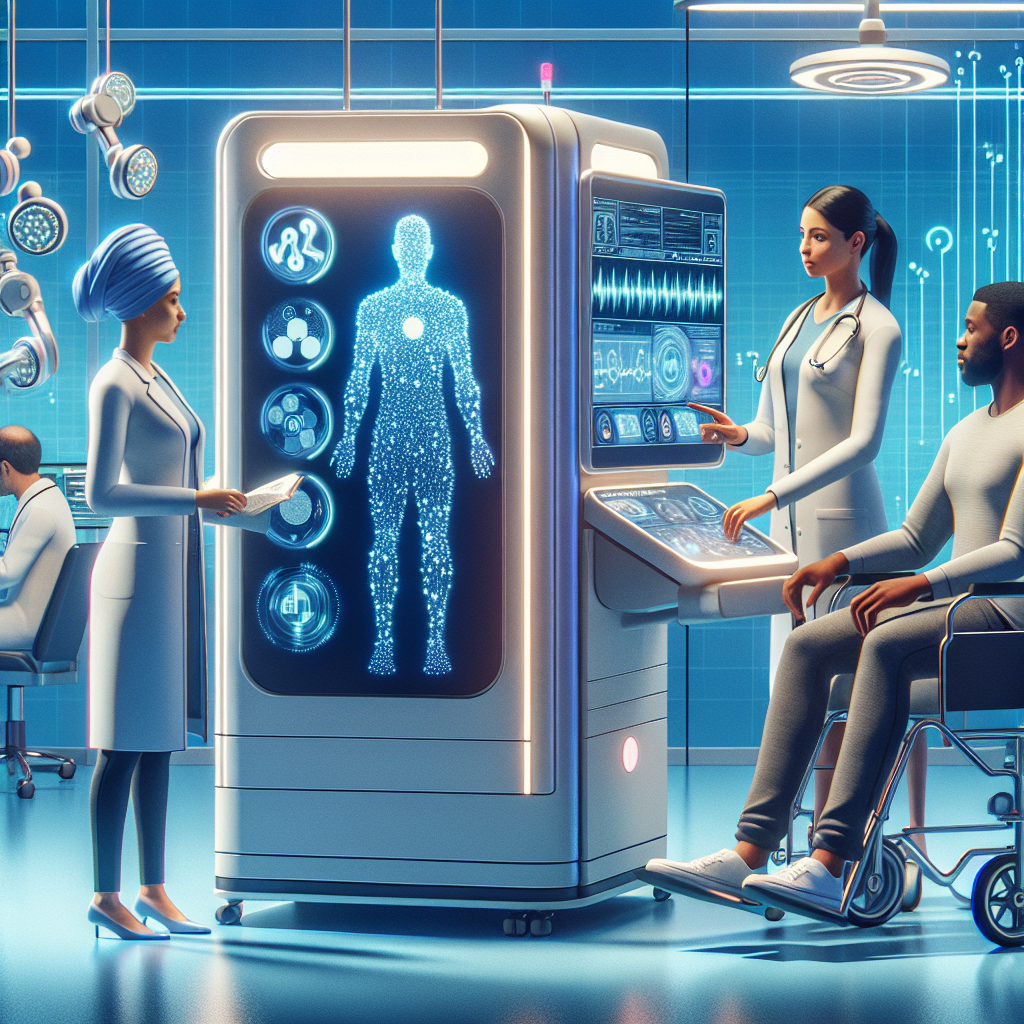
Artificial Intelligence (AI) has been making significant strides in the healthcare industry, revolutionizing the way care is delivered and improving patient outcomes. One area where AI has shown great promise is in enhancing care transitions, which refer to the movement of patients between different healthcare settings or providers.
Care transitions are a critical aspect of patient care, as they can often be a vulnerable time for patients, with potential for miscommunication, medication errors, and gaps in care. AI technologies are being leveraged to streamline and improve care transitions, reducing the chances of errors and improving the overall patient experience.
One of the key ways AI is enhancing care transitions is through predictive analytics. By analyzing large amounts of data, AI can help identify patients who are at high risk of readmission or complications after discharge. This allows healthcare providers to intervene early and provide more targeted care to these patients, reducing the likelihood of adverse events.
AI can also assist in coordinating care between different providers and settings. For example, AI-powered care coordination platforms can help ensure that all members of a patient’s care team have access to the same information and are working together towards a common goal. This can help reduce miscommunication and ensure that patients receive consistent and high-quality care throughout their healthcare journey.
Furthermore, AI can help automate routine tasks such as medication reconciliation, discharge planning, and follow-up appointments, freeing up healthcare providers to focus on more complex and value-added activities. This can help improve efficiency and reduce the burden on healthcare staff, ultimately leading to better outcomes for patients.
In addition to improving care transitions, AI is also being used to personalize care and treatment plans for patients. By analyzing a patient’s medical history, genetic data, and other relevant information, AI can help healthcare providers tailor treatment plans to the individual needs of each patient. This can lead to better outcomes and a more personalized healthcare experience for patients.
Despite the potential benefits of AI in healthcare, there are also challenges and concerns that need to be addressed. One of the main challenges is the need for robust data infrastructure and interoperability to ensure that AI systems have access to accurate and up-to-date information. Additionally, there are concerns about the ethical implications of using AI in healthcare, such as privacy issues and the potential for bias in algorithms.
Overall, AI has the potential to greatly enhance care transitions in healthcare, improving patient outcomes and reducing costs. By leveraging AI technologies to streamline care coordination, personalize treatment plans, and identify patients at high risk of readmission, healthcare providers can provide more efficient and effective care to their patients.
FAQs:
Q: How is AI being used to improve care transitions in healthcare?
A: AI is being used to analyze large amounts of data to identify patients at high risk of readmission or complications, coordinate care between different providers and settings, automate routine tasks, and personalize treatment plans.
Q: What are some of the challenges of implementing AI in healthcare?
A: Some of the challenges include the need for robust data infrastructure and interoperability, concerns about ethics and bias in algorithms, and the potential for privacy issues.
Q: How can healthcare providers ensure that AI is used ethically and responsibly in patient care?
A: Healthcare providers can ensure that AI is used ethically and responsibly by being transparent about how AI is being used, ensuring that patient data is kept secure and confidential, and regularly monitoring and evaluating AI systems for bias and errors.
Q: What are some of the potential benefits of using AI in healthcare?
A: Some potential benefits of using AI in healthcare include improved patient outcomes, reduced costs, increased efficiency, and more personalized care for patients.