
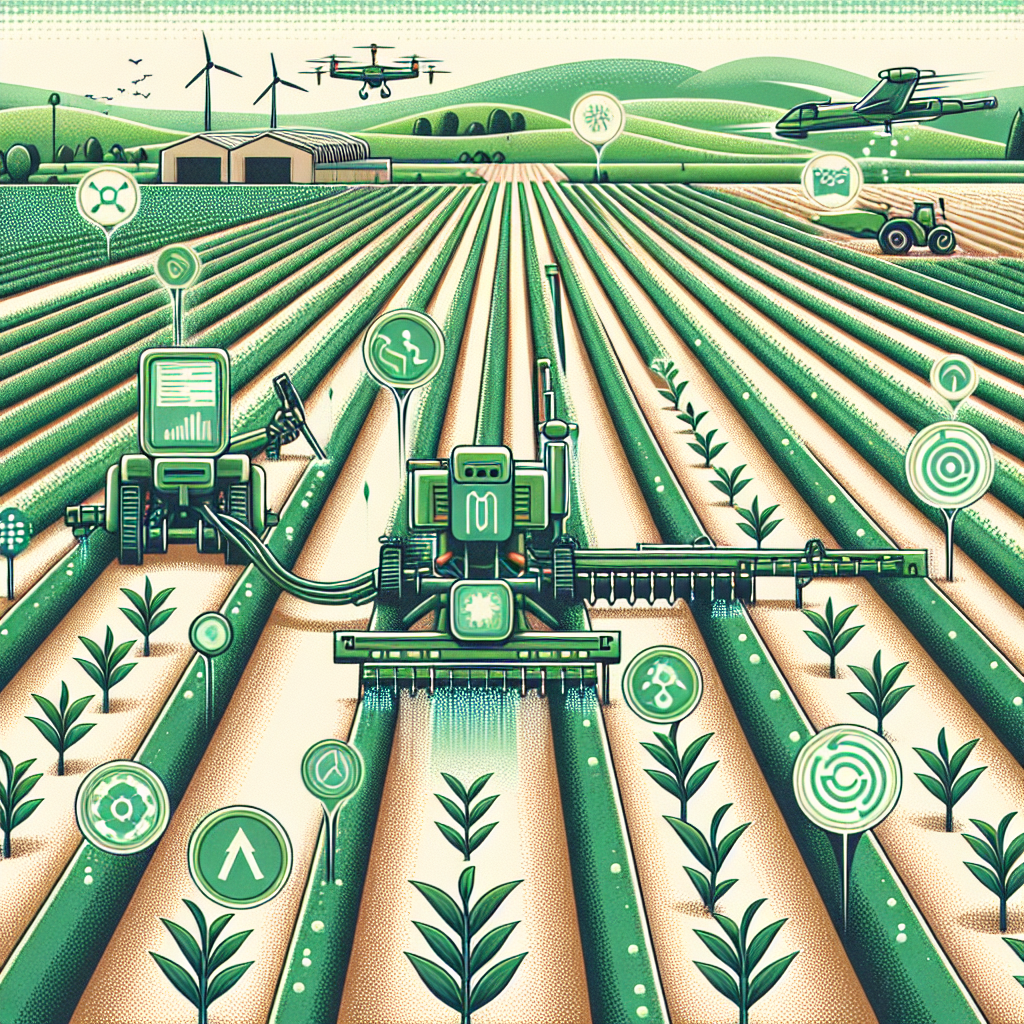
AI Automation in Agriculture: Improving Crop Yields and Efficiency
In recent years, the agricultural industry has seen a significant shift towards the use of artificial intelligence (AI) automation to improve crop yields and efficiency. This technology has the potential to revolutionize the way we produce food, making farming more sustainable, productive, and cost-effective. In this article, we will explore the benefits of AI automation in agriculture and how it is changing the future of farming.
What is AI Automation in Agriculture?
AI automation in agriculture refers to the use of artificial intelligence technologies such as machine learning, computer vision, and robotics to automate various tasks in the farming process. These technologies can be used to monitor crops, analyze soil conditions, detect pests and diseases, and optimize irrigation and fertilization, among other things. By using AI automation, farmers can make more informed decisions and take actions that will improve crop yields, reduce waste, and increase efficiency.
Benefits of AI Automation in Agriculture
1. Improved Crop Yields: One of the biggest benefits of AI automation in agriculture is the ability to improve crop yields. By using AI technologies to monitor crops and analyze data, farmers can identify issues such as nutrient deficiencies, pests, and diseases early on and take corrective actions to prevent crop loss. This results in higher yields and better quality produce.
2. Reduced Labor Costs: Farming is a labor-intensive industry, and labor costs can be a significant expense for farmers. AI automation can help reduce labor costs by automating tasks such as monitoring crops, applying pesticides and fertilizers, and harvesting produce. This allows farmers to focus on more strategic tasks and reduce the need for manual labor.
3. Sustainable Farming Practices: AI automation can also help farmers adopt more sustainable farming practices. By using AI technologies to monitor soil conditions and crop health, farmers can reduce the use of pesticides and fertilizers, leading to less environmental impact and healthier soil. This can help farmers produce more sustainable and environmentally friendly crops.
4. Increased Efficiency: AI automation can help farmers increase efficiency in their operations. By automating tasks such as irrigation, fertilization, and harvesting, farmers can save time and resources, leading to higher productivity and lower costs. This allows farmers to maximize their output and make the most of their land.
5. Data-Driven Decision Making: AI automation provides farmers with valuable data and insights that can help them make more informed decisions. By analyzing data on crop health, soil conditions, weather patterns, and other factors, farmers can optimize their farming practices and improve their yields. This data-driven approach can lead to better outcomes and higher profits for farmers.
FAQs about AI Automation in Agriculture
Q: How does AI automation help farmers monitor crops?
A: AI automation uses technologies such as computer vision and sensors to monitor crops for signs of pests, diseases, nutrient deficiencies, and other issues. This data is then analyzed to provide farmers with insights on the health of their crops and any actions that need to be taken.
Q: Can AI automation help farmers reduce the use of pesticides and fertilizers?
A: Yes, AI automation can help farmers reduce the use of pesticides and fertilizers by providing them with data on soil conditions, crop health, and pest populations. This allows farmers to apply pesticides and fertilizers only when necessary, reducing waste and environmental impact.
Q: How can AI automation improve irrigation practices?
A: AI automation can improve irrigation practices by monitoring soil moisture levels and weather patterns to determine the optimal amount of water needed for crops. By automating irrigation systems, farmers can ensure that crops receive the right amount of water at the right time, leading to better yields and reduced water waste.
Q: What are some examples of AI automation in agriculture?
A: Some examples of AI automation in agriculture include autonomous tractors and drones for field monitoring, robotic weed control systems, and smart irrigation systems. These technologies help farmers automate tasks and improve efficiency in their operations.
Q: Is AI automation expensive for farmers to implement?
A: While AI automation technologies can be an initial investment for farmers, the long-term benefits in terms of increased yields, reduced costs, and improved efficiency can outweigh the upfront costs. Additionally, there are now various affordable options and solutions available for farmers of all sizes to implement AI automation in their operations.
In conclusion, AI automation in agriculture is a game-changer for the industry, offering farmers the opportunity to improve crop yields, reduce costs, and adopt more sustainable practices. By harnessing the power of artificial intelligence technologies, farmers can make more informed decisions, optimize their operations, and increase productivity. As the technology continues to evolve, we can expect to see even more innovations in AI automation that will further revolutionize the future of farming.