
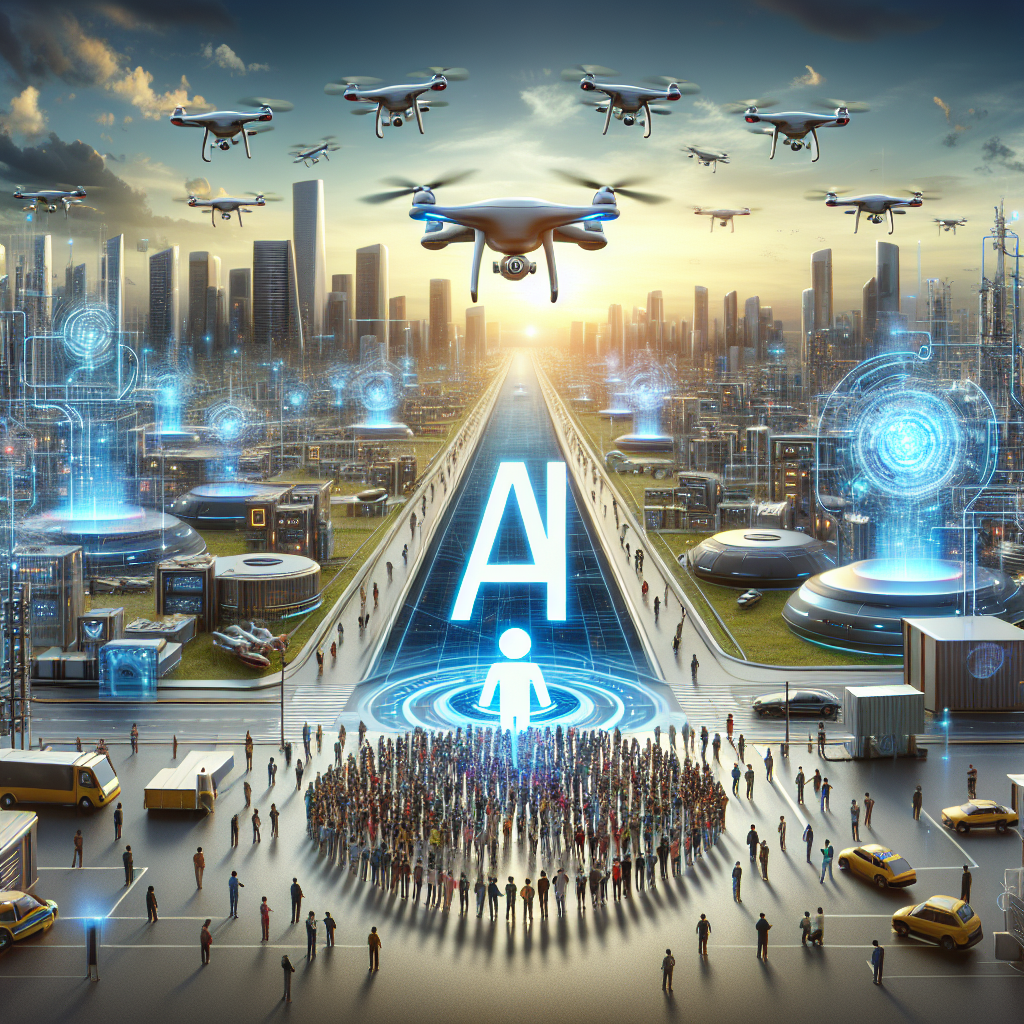
AI and the Future of Security: Democratizing Access to Protection
In today’s digital age, the need for robust security measures has never been more critical. With cyber threats evolving and becoming more sophisticated, organizations and individuals alike are constantly looking for ways to protect their data and information. One of the most promising solutions that has emerged in recent years is the use of artificial intelligence (AI) in security systems.
AI has the potential to revolutionize the way we approach security by enabling faster detection and response to threats. By leveraging AI algorithms and machine learning techniques, security systems can analyze vast amounts of data in real-time, identify patterns and anomalies, and take proactive measures to prevent security breaches.
One of the key benefits of using AI in security is its ability to adapt and learn from new threats. Traditional security systems rely on predefined rules and signatures to detect malicious activities, which can be easily bypassed by sophisticated attackers. AI, on the other hand, can continuously learn and improve its detection capabilities based on new data, making it more effective at identifying and mitigating emerging threats.
Another advantage of AI in security is its ability to automate routine tasks and processes, freeing up human resources to focus on more strategic activities. This can help organizations improve their overall security posture and respond more quickly to security incidents.
Furthermore, AI can provide a more personalized and adaptive security approach, tailored to the specific needs and requirements of each organization. By analyzing user behavior and preferences, AI can create customized security policies and controls to ensure that sensitive data is protected without impeding productivity.
In addition to improving security measures, AI can also help organizations comply with regulatory requirements and standards. By automating compliance checks and audits, AI can ensure that organizations meet the necessary security standards and avoid costly penalties for non-compliance.
Overall, the integration of AI into security systems holds great promise for enhancing protection against cyber threats and safeguarding critical data and information. As AI technologies continue to advance, we can expect to see even more innovative solutions that will revolutionize the way we approach security in the future.
FAQs:
Q: How does AI help in improving security measures?
A: AI can analyze vast amounts of data in real-time, identify patterns and anomalies, and take proactive measures to prevent security breaches. It can adapt and learn from new threats, automate routine tasks, and provide a personalized and adaptive security approach.
Q: Can AI replace human security professionals?
A: While AI can automate routine tasks and processes, it cannot replace the expertise and experience of human security professionals. Human oversight is still necessary to make strategic decisions and respond to complex security incidents.
Q: Is AI secure from cyber attacks?
A: Like any technology, AI is not immune to cyber attacks. However, AI can also be used to enhance security measures and protect against cyber threats. Organizations need to implement proper security controls and protocols to safeguard their AI systems from attacks.
Q: How can organizations leverage AI in their security systems?
A: Organizations can leverage AI in their security systems by implementing AI-powered tools and solutions that can analyze data, detect threats, and respond to security incidents in real-time. They can also use AI to automate compliance checks, create customized security policies, and improve overall security posture.