
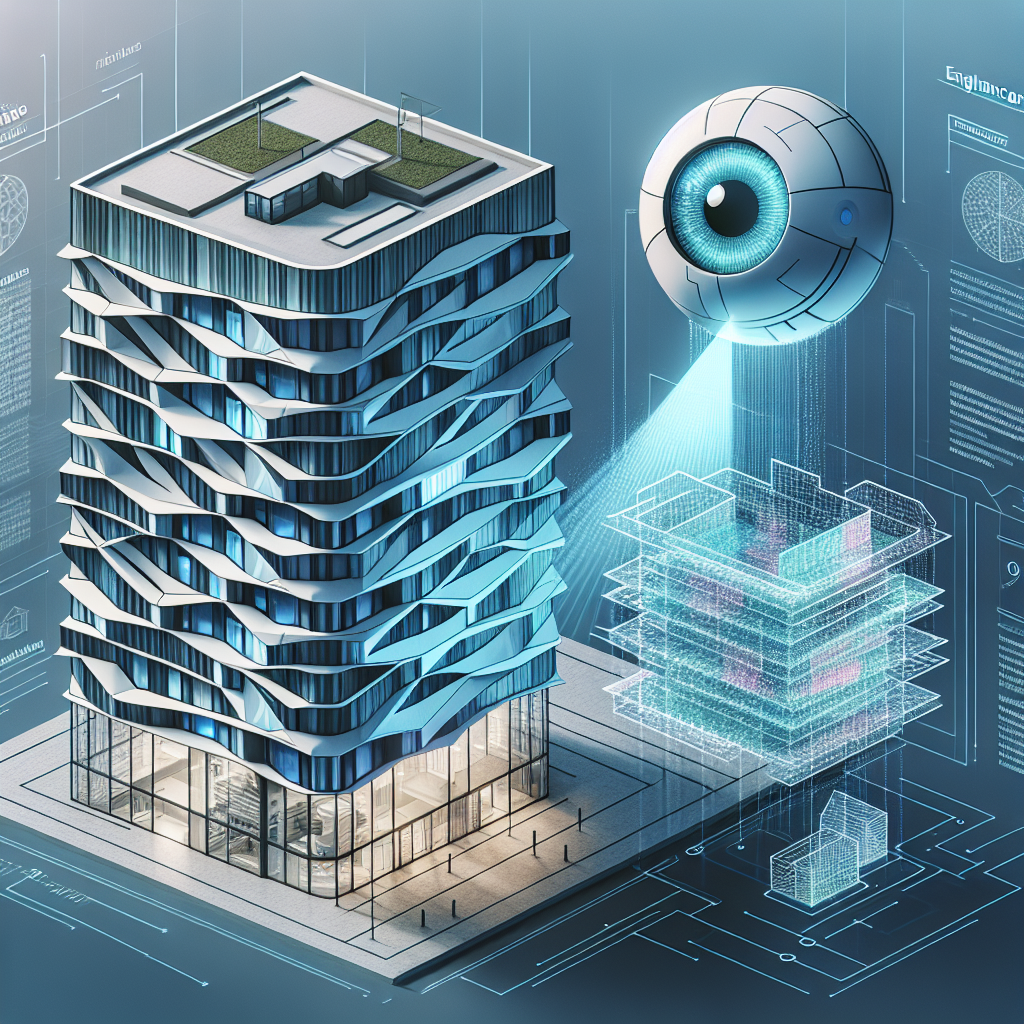
In recent years, the field of architecture has seen a significant shift towards incorporating new technologies to enhance design processes and outcomes. One such technology that is gaining traction in the architectural industry is Artificial Intelligence (AI). AI has the potential to revolutionize the way architects design, build, and maintain structures, by providing advanced tools and solutions that can enhance architectural resilience.
Architectural resilience refers to the ability of a building or structure to withstand and recover from natural disasters, climate change, and other external threats. With the increasing frequency and severity of natural disasters around the world, architects are under pressure to design buildings that are not only aesthetically pleasing but also resilient and sustainable.
AI can play a crucial role in enhancing architectural resilience by providing architects with tools and solutions that can optimize building design, construction processes, and maintenance. Here are some ways in which AI can enhance architectural resilience:
1. Optimizing Building Design: AI can analyze vast amounts of data to optimize building design for resilience. By considering factors such as local climate conditions, building materials, and structural integrity, AI can help architects design buildings that are better equipped to withstand natural disasters such as earthquakes, hurricanes, and floods.
2. Predictive Maintenance: AI can help architects and building owners predict and prevent maintenance issues before they occur. By analyzing data from sensors and monitoring systems, AI can identify potential issues such as structural weaknesses, leaks, and equipment failures, allowing for timely repairs and maintenance.
3. Energy Efficiency: AI can help architects design buildings that are energy-efficient and environmentally friendly. By analyzing energy consumption patterns and optimizing building systems such as heating, cooling, and lighting, AI can help reduce energy costs and carbon emissions, while also ensuring a comfortable and sustainable living environment for occupants.
4. Disaster Response: In the event of a natural disaster, AI can help architects and emergency responders assess damage, plan recovery efforts, and prioritize resources. By analyzing satellite imagery, sensor data, and other sources of information, AI can provide real-time insights into the extent of damage and help coordinate response efforts more effectively.
5. Adaptive Design: AI can help architects design buildings that can adapt to changing environmental conditions. By using sensors and actuators to adjust building systems in response to factors such as temperature, humidity, and occupancy, AI can create buildings that are more resilient and responsive to their surroundings.
Overall, AI has the potential to revolutionize the field of architecture by providing architects with tools and solutions that can enhance architectural resilience. By leveraging AI technology, architects can design buildings that are not only visually striking but also sustainable, energy-efficient, and resilient to external threats.
FAQs:
Q: How can AI help architects optimize building design for resilience?
A: AI can analyze vast amounts of data to optimize building design by considering factors such as local climate conditions, building materials, and structural integrity. This data-driven approach can help architects design buildings that are better equipped to withstand natural disasters.
Q: How can AI help predict and prevent maintenance issues in buildings?
A: AI can analyze data from sensors and monitoring systems to identify potential maintenance issues such as structural weaknesses, leaks, and equipment failures. By predicting and preventing these issues before they occur, AI can help reduce maintenance costs and ensure the longevity of buildings.
Q: Can AI help architects design energy-efficient buildings?
A: Yes, AI can help architects design buildings that are energy-efficient by analyzing energy consumption patterns and optimizing building systems such as heating, cooling, and lighting. By reducing energy costs and carbon emissions, AI can create buildings that are environmentally friendly and sustainable.
Q: How can AI assist in disaster response efforts?
A: In the event of a natural disaster, AI can help architects and emergency responders assess damage, plan recovery efforts, and prioritize resources. By analyzing satellite imagery, sensor data, and other sources of information, AI can provide real-time insights into the extent of damage and help coordinate response efforts more effectively.
Q: How can AI help architects design buildings that can adapt to changing environmental conditions?
A: AI can help architects design buildings that can adapt to changing environmental conditions by using sensors and actuators to adjust building systems in response to factors such as temperature, humidity, and occupancy. This adaptive design approach can create buildings that are more resilient and responsive to their surroundings.