
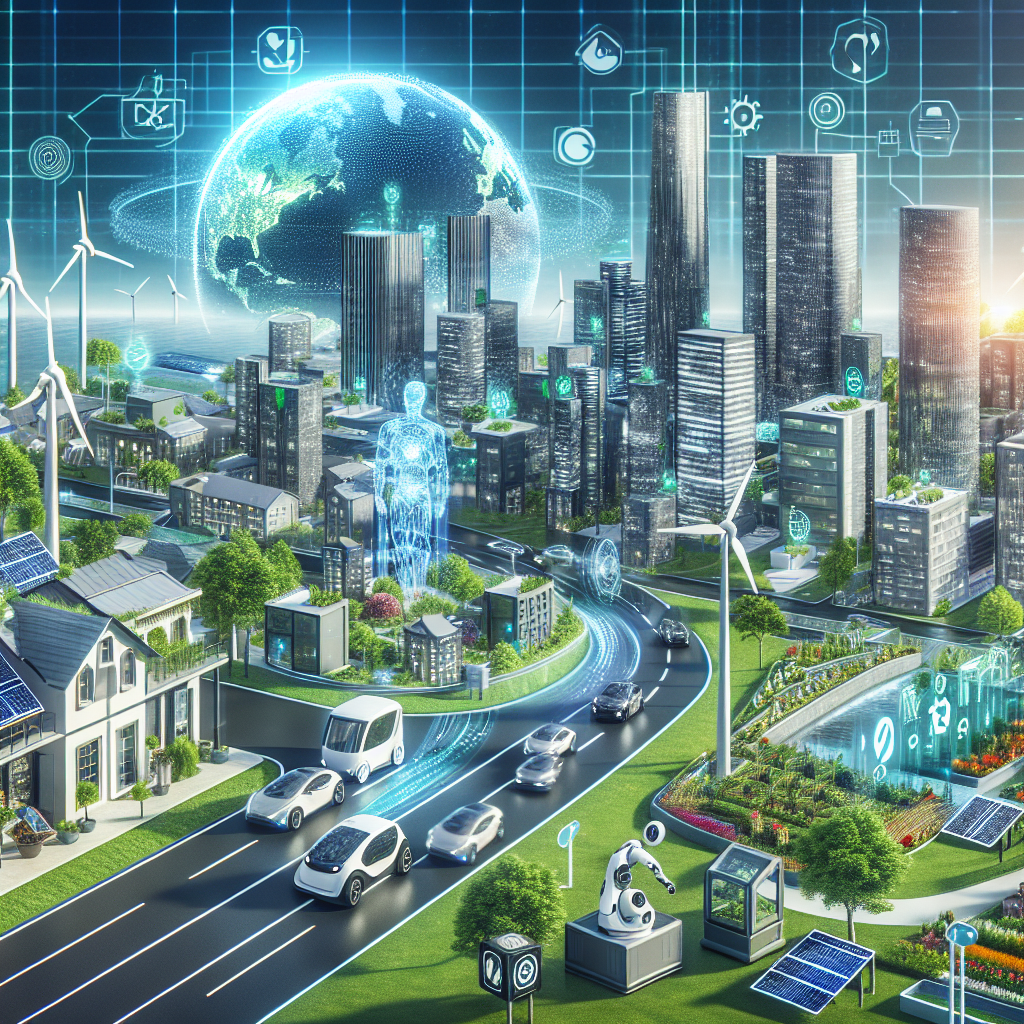
Artificial Intelligence (AI) is revolutionizing the way we approach sustainability and environmental conservation. From reducing energy consumption to managing waste more efficiently, AI is helping us make significant strides towards a more sustainable future. In this article, we will explore how AI is transforming the future of sustainability and the potential impact it could have on our planet.
AI and Energy Efficiency
One of the key ways AI is transforming sustainability is through increasing energy efficiency. AI-powered systems can analyze data from sensors and smart devices to optimize energy consumption in buildings, factories, and other facilities. By identifying patterns and trends in energy usage, AI can make real-time adjustments to reduce waste and save resources.
For example, smart thermostats powered by AI can learn a building’s heating and cooling patterns and adjust the temperature accordingly to minimize energy usage. Similarly, AI algorithms can optimize the operation of industrial equipment to reduce energy consumption and improve overall efficiency.
AI and Renewable Energy
AI is also playing a crucial role in the adoption of renewable energy sources such as solar and wind power. By analyzing weather patterns and energy demand, AI can help optimize the production and distribution of renewable energy. AI-powered systems can predict when and where renewable energy sources will be most abundant, allowing for better integration into the grid.
Furthermore, AI can help improve the efficiency of renewable energy systems by optimizing their performance. For example, AI algorithms can adjust the angle of solar panels to maximize sunlight exposure or control the pitch of wind turbines to capture more wind energy.
AI and Waste Management
Another area where AI is making a significant impact on sustainability is in waste management. AI-powered systems can analyze data from sensors and cameras to optimize waste collection routes, reduce landfill usage, and increase recycling rates. By identifying patterns in waste generation and collection, AI can help municipalities and businesses make more informed decisions about waste management.
For example, smart waste bins equipped with sensors can alert collection services when they are full, reducing unnecessary pickups and optimizing collection routes. AI can also help identify recyclable materials in waste streams and sort them more efficiently, increasing recycling rates and reducing the amount of waste sent to landfills.
AI and Agriculture
AI is also revolutionizing the agriculture industry, making it more sustainable and efficient. AI-powered systems can analyze soil and weather data to optimize crop yields, reduce water usage, and minimize the need for pesticides and fertilizers. By identifying patterns in crop health and growth, AI can help farmers make more informed decisions about planting, irrigation, and pest control.
For example, AI-powered drones can collect data on crop health and soil moisture levels, allowing farmers to make timely interventions to prevent crop loss. AI algorithms can also analyze satellite imagery to predict crop yields and identify areas of potential improvement.
FAQs
Q: How is AI being used to combat climate change?
A: AI is being used to improve energy efficiency, optimize renewable energy sources, and reduce waste in order to combat climate change. By analyzing data and identifying patterns, AI can help us make more informed decisions about how we use resources and reduce our impact on the environment.
Q: Can AI help reduce carbon emissions?
A: Yes, AI can help reduce carbon emissions by optimizing energy consumption, promoting the use of renewable energy sources, and improving the efficiency of industrial processes. By making our systems more sustainable and efficient, AI can help us reduce our carbon footprint and combat climate change.
Q: What are some examples of AI applications in sustainability?
A: Some examples of AI applications in sustainability include smart thermostats for energy efficiency, AI-powered drones for agriculture, smart waste bins for waste management, and predictive analytics for renewable energy production. These applications are helping us make more sustainable choices and reduce our impact on the environment.
In conclusion, AI is transforming the future of sustainability by improving energy efficiency, optimizing renewable energy sources, reducing waste, and making agriculture more sustainable. By harnessing the power of AI, we can make significant strides towards a more sustainable future for our planet.