
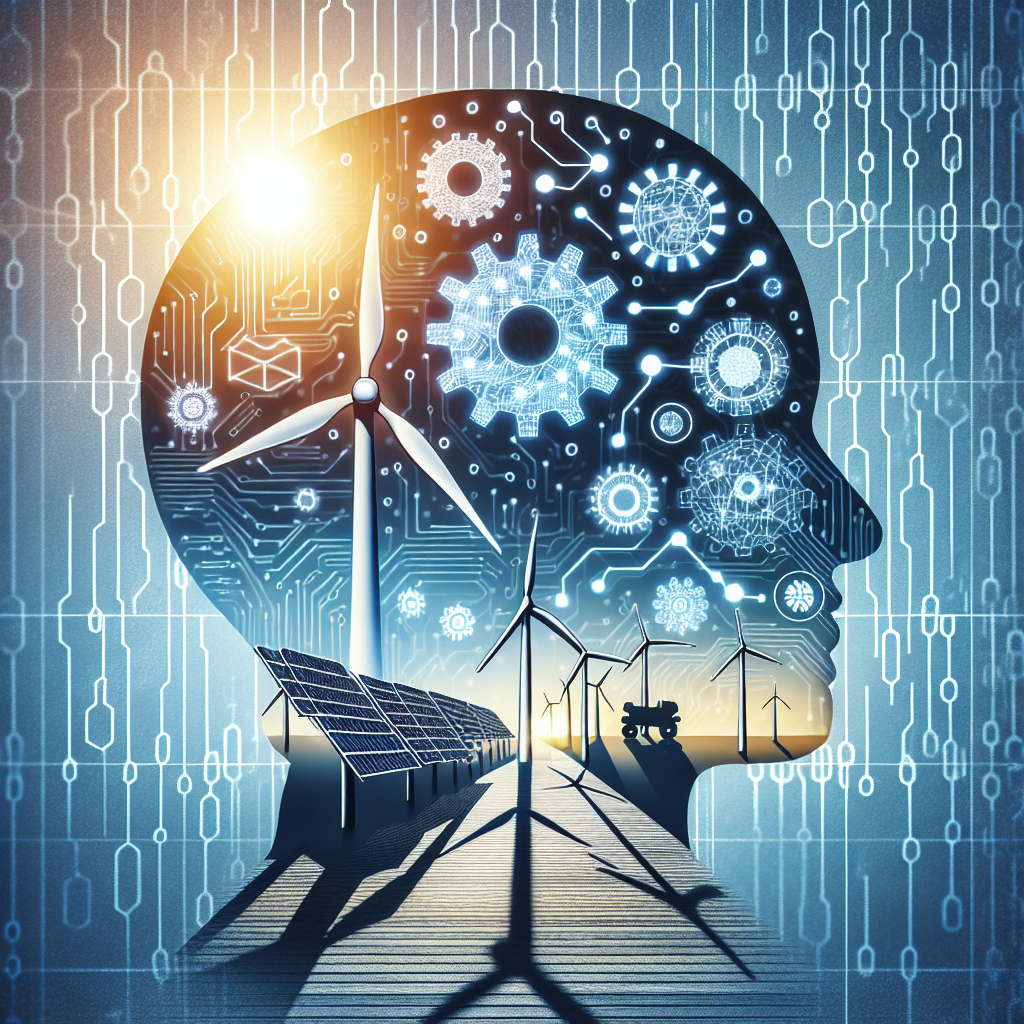
The Role of AI in Renewable Energy Market Performance
In recent years, the renewable energy market has experienced significant growth and development, driven by increasing environmental concerns, government incentives, and advancements in technology. One of the key technologies that have played a crucial role in optimizing the performance of renewable energy systems is artificial intelligence (AI). AI has the potential to revolutionize the renewable energy industry by enhancing the efficiency, reliability, and cost-effectiveness of renewable energy sources such as solar, wind, and hydroelectric power. In this article, we will explore the role of AI in the renewable energy market performance and its potential impact on the future of clean energy.
AI in Solar Energy
Solar energy is one of the fastest-growing renewable energy sources, with the potential to provide a significant portion of the world’s electricity needs. AI technology is being used to optimize the performance of solar panels, improve energy forecasting, and enhance the efficiency of solar power plants. AI algorithms can analyze data from weather forecasts, satellite imagery, and historical energy production data to predict the output of solar panels and optimize their performance. This can help solar power plants maximize their energy production and reduce downtime, leading to increased profitability and a higher return on investment.
AI in Wind Energy
Wind energy is another important source of renewable energy, with the potential to power millions of homes and businesses around the world. AI technology is being used to optimize the placement of wind turbines, predict wind patterns, and improve energy production efficiency. AI algorithms can analyze data from weather sensors, satellite imagery, and historical wind patterns to determine the best locations for wind turbines and optimize their performance. This can help wind farms maximize their energy production and reduce operational costs, making wind energy more competitive with traditional fossil fuels.
AI in Hydropower
Hydropower is one of the oldest and most widely used sources of renewable energy, with the potential to provide a reliable and sustainable source of electricity. AI technology is being used to optimize the operation of hydropower plants, improve energy forecasting, and enhance the efficiency of water turbines. AI algorithms can analyze data from water flow sensors, weather forecasts, and historical energy production data to predict the output of hydropower plants and optimize their performance. This can help hydropower plants maximize their energy production and reduce environmental impact, making hydropower a more attractive option for meeting the world’s growing energy needs.
Impact of AI on Renewable Energy Market Performance
The integration of AI technology into renewable energy systems has the potential to revolutionize the way we generate, store, and distribute clean energy. AI algorithms can optimize the performance of renewable energy sources, improve energy forecasting, and enhance grid stability. This can lead to increased energy production, reduced costs, and a more reliable and resilient energy system. AI technology can also help renewable energy companies identify new business opportunities, streamline operations, and improve customer service.
One of the key benefits of AI technology in the renewable energy market is its ability to optimize energy production and reduce costs. AI algorithms can analyze vast amounts of data in real-time to predict energy demand, optimize energy production, and reduce downtime. This can help renewable energy companies maximize their profitability and compete more effectively with traditional fossil fuels. AI technology can also help renewable energy companies reduce their environmental impact by optimizing energy production, reducing emissions, and minimizing waste.
Another key benefit of AI technology in the renewable energy market is its ability to improve energy forecasting. AI algorithms can analyze data from weather sensors, satellite imagery, and historical energy production data to predict energy demand and optimize energy production. This can help renewable energy companies better plan their operations, reduce costs, and improve grid stability. AI technology can also help renewable energy companies identify new business opportunities, such as energy storage, grid services, and demand response programs.
Overall, the integration of AI technology into the renewable energy market has the potential to transform the way we generate, store, and distribute clean energy. AI algorithms can optimize energy production, improve energy forecasting, and enhance grid stability, leading to increased energy production, reduced costs, and a more reliable and resilient energy system. AI technology can also help renewable energy companies identify new business opportunities, streamline operations, and improve customer service. The future of clean energy looks bright with the help of AI technology.
FAQs
Q: How does AI technology optimize the performance of renewable energy systems?
A: AI algorithms can analyze data from weather forecasts, satellite imagery, and historical energy production data to predict the output of renewable energy sources and optimize their performance. This can help maximize energy production, reduce downtime, and improve profitability.
Q: What are the key benefits of AI technology in the renewable energy market?
A: The key benefits of AI technology in the renewable energy market include optimizing energy production, improving energy forecasting, enhancing grid stability, reducing costs, and identifying new business opportunities.
Q: How can AI technology help renewable energy companies reduce their environmental impact?
A: AI technology can help renewable energy companies reduce their environmental impact by optimizing energy production, reducing emissions, and minimizing waste. This can help make renewable energy more sustainable and environmentally friendly.
Q: What is the future of AI in the renewable energy market?
A: The future of AI in the renewable energy market looks promising, with the potential to revolutionize the way we generate, store, and distribute clean energy. AI technology can help optimize energy production, improve energy forecasting, and enhance grid stability, leading to increased energy production, reduced costs, and a more reliable and resilient energy system.