
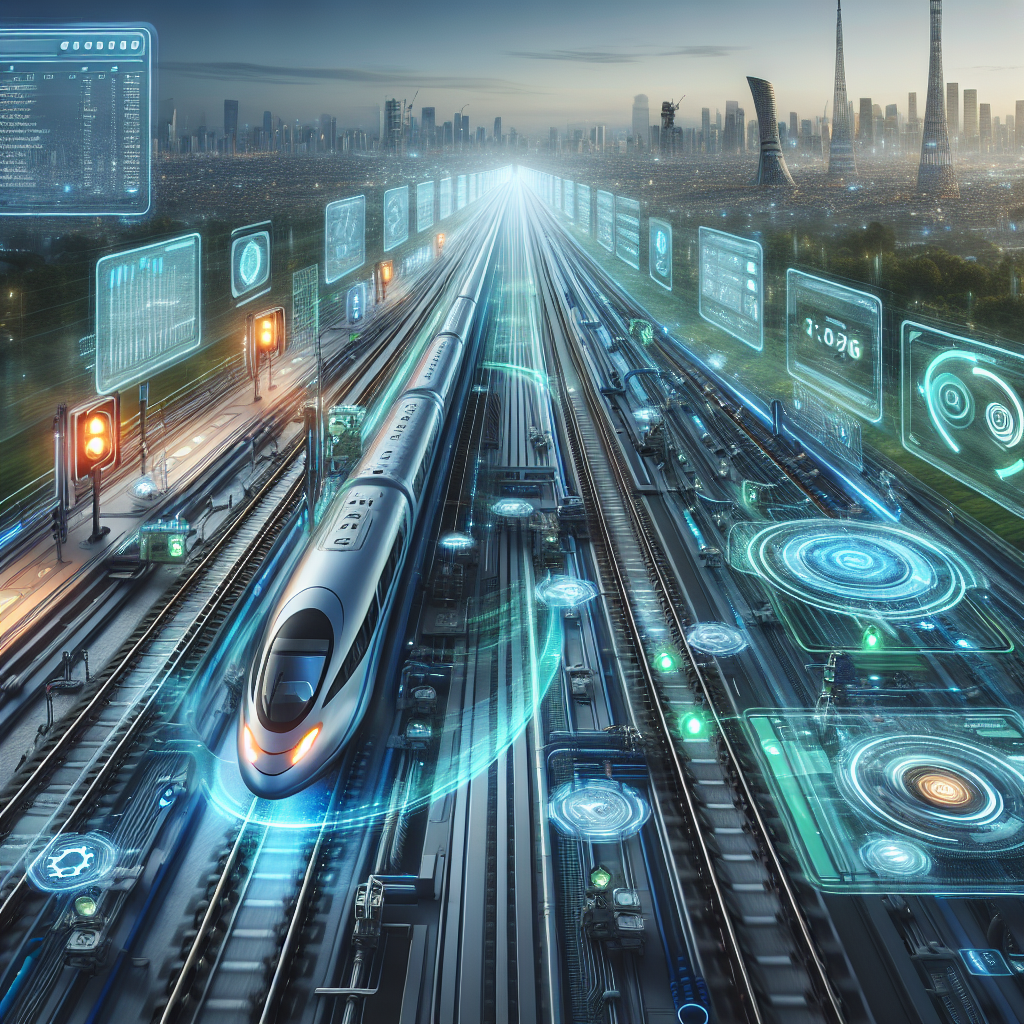
The Future of AI in Railway Signaling Systems
Introduction
Railway signaling systems play a crucial role in ensuring the safe and efficient operation of railways. These systems are responsible for controlling the movement of trains, managing traffic flow, and preventing accidents. Traditionally, railway signaling systems have relied on manual processes and human operators to make decisions. However, with the advancements in artificial intelligence (AI) technology, there is a growing interest in applying AI to enhance the capabilities of railway signaling systems.
AI has the potential to revolutionize the way railway signaling systems operate by enabling them to make intelligent decisions in real-time, optimize traffic flow, and improve safety. In this article, we will explore the future of AI in railway signaling systems and its potential impact on the industry.
Benefits of AI in Railway Signaling Systems
There are several benefits of incorporating AI into railway signaling systems. Some of the key benefits include:
1. Improved Safety: AI can help enhance the safety of railway operations by detecting potential hazards, predicting failures, and alerting operators in real-time. This can help prevent accidents and reduce the risk of human error.
2. Increased Efficiency: AI can optimize traffic flow, reduce delays, and improve the overall efficiency of railway operations. By analyzing data in real-time, AI can help identify bottlenecks, predict congestion, and recommend optimal routing for trains.
3. Cost Savings: AI can help reduce operational costs by automating routine tasks, optimizing resource allocation, and improving maintenance planning. This can result in lower operating expenses and increased profitability for railway companies.
4. Enhanced Predictive Maintenance: AI can analyze data from sensors and monitoring systems to predict when equipment is likely to fail. This can help prevent unexpected breakdowns, reduce downtime, and extend the lifespan of railway assets.
Challenges of Implementing AI in Railway Signaling Systems
Despite the numerous benefits of AI, there are also several challenges that need to be addressed when implementing AI in railway signaling systems. Some of the key challenges include:
1. Data Quality: AI algorithms rely on high-quality data to make accurate predictions and decisions. Railway companies may face challenges in collecting, storing, and managing the large volumes of data required for AI applications.
2. Regulatory Compliance: Railway signaling systems are subject to strict safety regulations and standards. Implementing AI in these systems may require regulatory approval, which can be a lengthy and complex process.
3. Integration with Legacy Systems: Many railway signaling systems are based on legacy technology that may not be compatible with AI solutions. Integrating AI into existing systems can be challenging and may require significant investment in infrastructure upgrades.
4. Cybersecurity Risks: AI systems are vulnerable to cyberattacks, which can compromise the safety and security of railway operations. Railway companies need to implement robust cybersecurity measures to protect their AI systems from malicious threats.
Future Trends in AI for Railway Signaling Systems
Despite the challenges, the future of AI in railway signaling systems looks promising. There are several emerging trends and technologies that are shaping the future of AI in the railway industry. Some of the key trends include:
1. Edge Computing: Edge computing refers to the processing of data closer to the source, rather than in centralized data centers. This can help improve the speed and efficiency of AI applications in railway signaling systems by reducing latency and bandwidth requirements.
2. Autonomous Trains: AI-powered autonomous trains are becoming a reality, with companies like Alstom and Siemens developing driverless train technologies. These trains can operate without human intervention, using AI algorithms to navigate tracks, avoid obstacles, and optimize energy consumption.
3. Predictive Maintenance: AI-powered predictive maintenance systems are being used to monitor the health of railway assets and predict when maintenance is required. By analyzing historical data and real-time sensor readings, AI can help optimize maintenance schedules, reduce downtime, and extend the lifespan of equipment.
4. Digital Twins: Digital twins are virtual replicas of physical assets, such as railway tracks, trains, and signaling systems. By creating digital twins of railway infrastructure, AI can simulate different scenarios, optimize operations, and identify potential problems before they occur.
5. Real-time Decision Making: AI can enable railway signaling systems to make real-time decisions based on sensor data, traffic conditions, and environmental factors. By analyzing data in real-time, AI can help optimize train schedules, adjust signaling patterns, and respond to emergencies quickly and efficiently.
Frequently Asked Questions
Q: How will AI improve the safety of railway signaling systems?
A: AI can improve safety by detecting potential hazards, predicting failures, and alerting operators in real-time. By analyzing data from sensors and monitoring systems, AI can help prevent accidents and reduce the risk of human error.
Q: What are the challenges of implementing AI in railway signaling systems?
A: Some of the key challenges include data quality, regulatory compliance, integration with legacy systems, and cybersecurity risks. Railway companies need to address these challenges to successfully implement AI in their signaling systems.
Q: What are some of the future trends in AI for railway signaling systems?
A: Some of the key trends include edge computing, autonomous trains, predictive maintenance, digital twins, and real-time decision making. These trends are shaping the future of AI in the railway industry and are expected to drive innovation and efficiency in railway operations.
Conclusion
AI has the potential to revolutionize the way railway signaling systems operate by enhancing safety, increasing efficiency, and reducing costs. Despite the challenges of implementing AI in railway signaling systems, the future looks promising with emerging trends and technologies that are shaping the industry. By leveraging AI technologies such as edge computing, autonomous trains, predictive maintenance, digital twins, and real-time decision making, railway companies can improve the safety, efficiency, and reliability of their operations. As AI continues to evolve, it will play an increasingly important role in the future of railway signaling systems.