
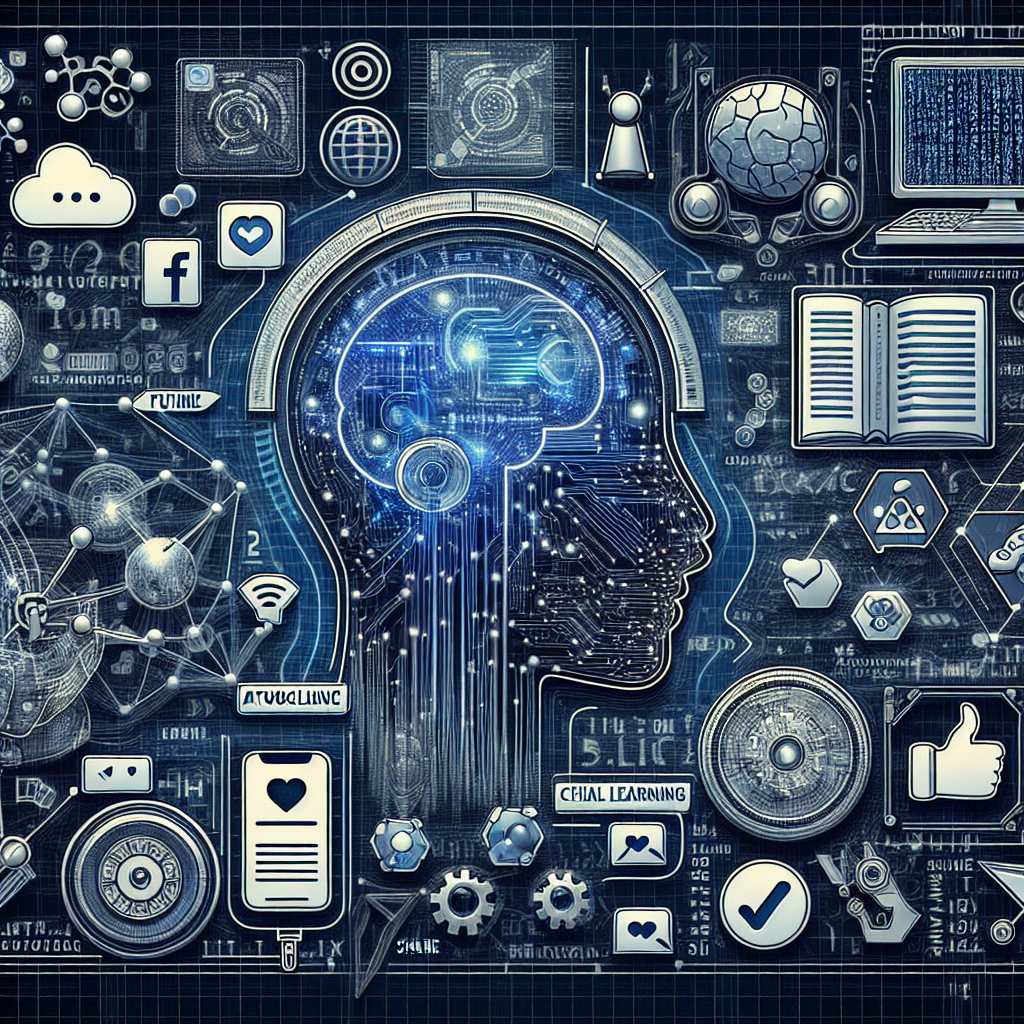
Artificial Intelligence (AI) is revolutionizing the way we interact with social media platforms. From personalized content recommendations to automated customer service, AI is shaping the future of social media in numerous ways. In this article, we will explore some of the key AI trends that are driving innovation in social media and discuss how they are transforming the way we connect and engage online.
1. Personalized Content Recommendations
One of the most significant ways AI is reshaping social media is through personalized content recommendations. AI algorithms analyze user behavior, preferences, and interactions to deliver tailored content that is more likely to resonate with each individual user. This not only enhances the user experience by providing relevant and engaging content, but also increases user engagement and retention on social media platforms.
For example, platforms like Facebook and Instagram use AI to curate users’ news feeds based on their interests, likes, and past interactions. This ensures that users are presented with content that is most likely to capture their attention and keep them coming back for more. As AI continues to evolve, we can expect even more sophisticated algorithms that can accurately predict user preferences and deliver highly personalized content recommendations.
2. Chatbots and Automated Customer Service
AI-powered chatbots are transforming customer service on social media platforms. These intelligent bots are programmed to interact with users in a conversational manner, providing real-time assistance and support. Chatbots can handle a wide range of inquiries, from answering frequently asked questions to resolving customer issues, all without human intervention.
Businesses are increasingly implementing chatbots on their social media pages to improve response times and provide round-the-clock customer support. These AI-powered bots can significantly reduce the workload of human customer service agents and enhance the overall customer experience. As AI technology advances, chatbots will become even more sophisticated, offering personalized recommendations, product suggestions, and even emotional support to users.
3. Image and Video Recognition
AI-powered image and video recognition technology are revolutionizing the way we interact with visual content on social media. These advanced algorithms can analyze images and videos in real-time, identifying objects, people, and contexts with remarkable accuracy. This enables social media platforms to automatically tag photos, recommend related content, and even detect and remove inappropriate or harmful material.
For example, platforms like Pinterest and Snapchat use AI to enhance user experience by offering visual search capabilities, allowing users to search for similar items or products by simply uploading an image. AI-powered image recognition is also used to filter out inappropriate content, such as nudity or violence, ensuring a safe and positive environment for users.
4. Influencer Marketing and Brand Partnerships
AI is revolutionizing influencer marketing on social media by enabling brands to identify and collaborate with the most relevant influencers for their target audience. AI algorithms can analyze vast amounts of data to identify influencers with the highest engagement rates, most authentic followers, and best fit for a brand’s values and objectives. This data-driven approach helps brands maximize their ROI on influencer partnerships and ensures that they reach the right audience with their marketing campaigns.
AI-powered tools can also track and analyze the performance of influencer campaigns in real-time, providing valuable insights into audience engagement, reach, and conversion rates. This data-driven approach allows brands to optimize their influencer marketing strategies and continuously improve their social media campaigns based on performance metrics.
5. Social Listening and Sentiment Analysis
AI is transforming social media monitoring and sentiment analysis by enabling businesses to track and analyze conversations, trends, and sentiments in real-time. AI algorithms can analyze social media data from various sources, such as posts, comments, and mentions, to identify key insights and trends that can inform marketing strategies, product development, and customer service initiatives.
Social listening tools powered by AI can track brand mentions, monitor competitor activities, and identify emerging trends and topics of conversation. Sentiment analysis algorithms can analyze user comments and feedback to gauge public opinion and identify potential issues or opportunities for brands. By leveraging AI-powered social listening and sentiment analysis tools, businesses can gain valuable insights into consumer behavior and preferences, enabling them to make data-driven decisions that drive business growth.
FAQs
Q: How is AI used in social media marketing?
A: AI is used in social media marketing in various ways, including personalized content recommendations, chatbots for customer service, image and video recognition, influencer marketing, and social listening and sentiment analysis. AI-powered algorithms analyze user data and interactions to deliver tailored content, provide real-time customer support, enhance visual content experiences, optimize influencer partnerships, and track and analyze social media conversations and sentiments.
Q: How can businesses benefit from AI in social media?
A: Businesses can benefit from AI in social media by enhancing user engagement and retention, improving customer service and support, optimizing marketing campaigns, identifying relevant influencers, monitoring brand mentions and sentiments, and gaining valuable insights into consumer behavior and preferences. AI-powered tools enable businesses to automate repetitive tasks, personalize user experiences, analyze data more efficiently, and make data-driven decisions that drive business growth.
Q: What are some challenges of using AI in social media?
A: Some challenges of using AI in social media include data privacy and security concerns, algorithm bias and discrimination, lack of transparency and accountability in AI decision-making, and the potential for misinformation and manipulation. Businesses need to be mindful of these challenges and implement responsible AI practices to ensure ethical and fair use of AI technologies in social media.
In conclusion, AI is transforming the future of social media in numerous ways, from personalized content recommendations to automated customer service, image and video recognition, influencer marketing, and social listening and sentiment analysis. As AI technology continues to evolve, we can expect even more innovative applications that will enhance user experiences, drive business growth, and shape the way we connect and engage on social media platforms. By leveraging AI-powered tools and strategies, businesses can stay ahead of the curve and capitalize on the opportunities that AI presents in the dynamic world of social media.