
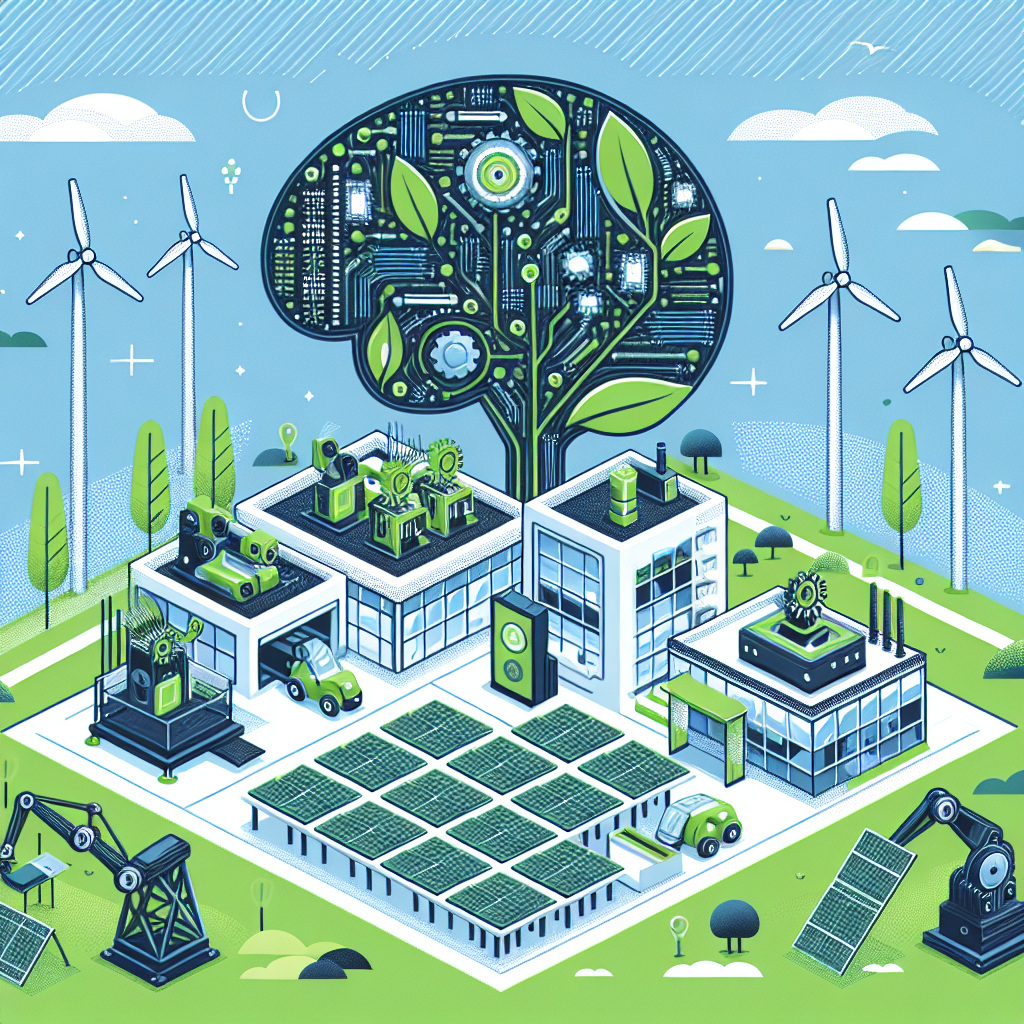
The textile industry is one of the largest contributors to pollution and waste in the world. From harmful chemicals used in the production process to the massive amounts of water and energy consumed, the environmental impact of textile manufacturing is significant. However, with the advancement of technology, there is hope for a more sustainable future for the industry. Artificial Intelligence (AI) is playing a crucial role in revolutionizing textile manufacturing, making it more environmentally friendly and efficient.
AI has the potential to transform the textile industry in various ways, from reducing waste and energy consumption to improving product quality and supply chain management. By implementing AI-powered solutions, textile manufacturers can streamline their processes, reduce their environmental footprint, and meet the growing demand for sustainable products.
One of the key areas where AI is making a significant impact in sustainable textile manufacturing is in the design process. AI algorithms can analyze vast amounts of data to identify trends and patterns in consumer preferences, helping designers create more sustainable and marketable products. By using AI to predict trends and optimize designs, manufacturers can reduce waste and minimize the environmental impact of their production processes.
AI is also being used to optimize production processes in textile manufacturing. By incorporating AI-powered sensors and monitoring systems, manufacturers can track and analyze key performance indicators in real-time, allowing them to identify inefficiencies and make data-driven decisions to improve their operations. This not only helps to reduce waste and energy consumption but also enhances product quality and reduces production costs.
Furthermore, AI is playing a crucial role in supply chain management in the textile industry. By leveraging AI algorithms to analyze supply chain data, manufacturers can optimize their sourcing and production processes, reduce lead times, and minimize transportation costs. This not only improves the overall efficiency of the supply chain but also reduces the carbon footprint of the entire production process.
In addition to improving the sustainability of textile manufacturing, AI is also helping to address social issues in the industry. By using AI-powered tools to monitor and enforce labor standards, manufacturers can ensure that workers are treated fairly and that ethical practices are upheld throughout the supply chain. This helps to improve working conditions and promote social responsibility within the industry.
Overall, the role of AI in sustainable textile manufacturing is significant and promising. By harnessing the power of AI, textile manufacturers can reduce their environmental impact, improve efficiency, and meet the growing demand for sustainable products. As the industry continues to evolve, AI will play an increasingly important role in driving innovation and promoting sustainability in textile manufacturing.
FAQs:
Q: How is AI being used in the design process in textile manufacturing?
A: AI algorithms can analyze consumer preferences and trends to help designers create more sustainable and marketable products.
Q: How does AI optimize production processes in textile manufacturing?
A: AI-powered sensors and monitoring systems can track key performance indicators in real-time to identify inefficiencies and improve operations.
Q: How does AI improve supply chain management in the textile industry?
A: AI algorithms analyze supply chain data to optimize sourcing and production processes, reduce lead times, and minimize transportation costs.
Q: How does AI help address social issues in the textile industry?
A: AI-powered tools can monitor and enforce labor standards to ensure fair treatment of workers and uphold ethical practices throughout the supply chain.