
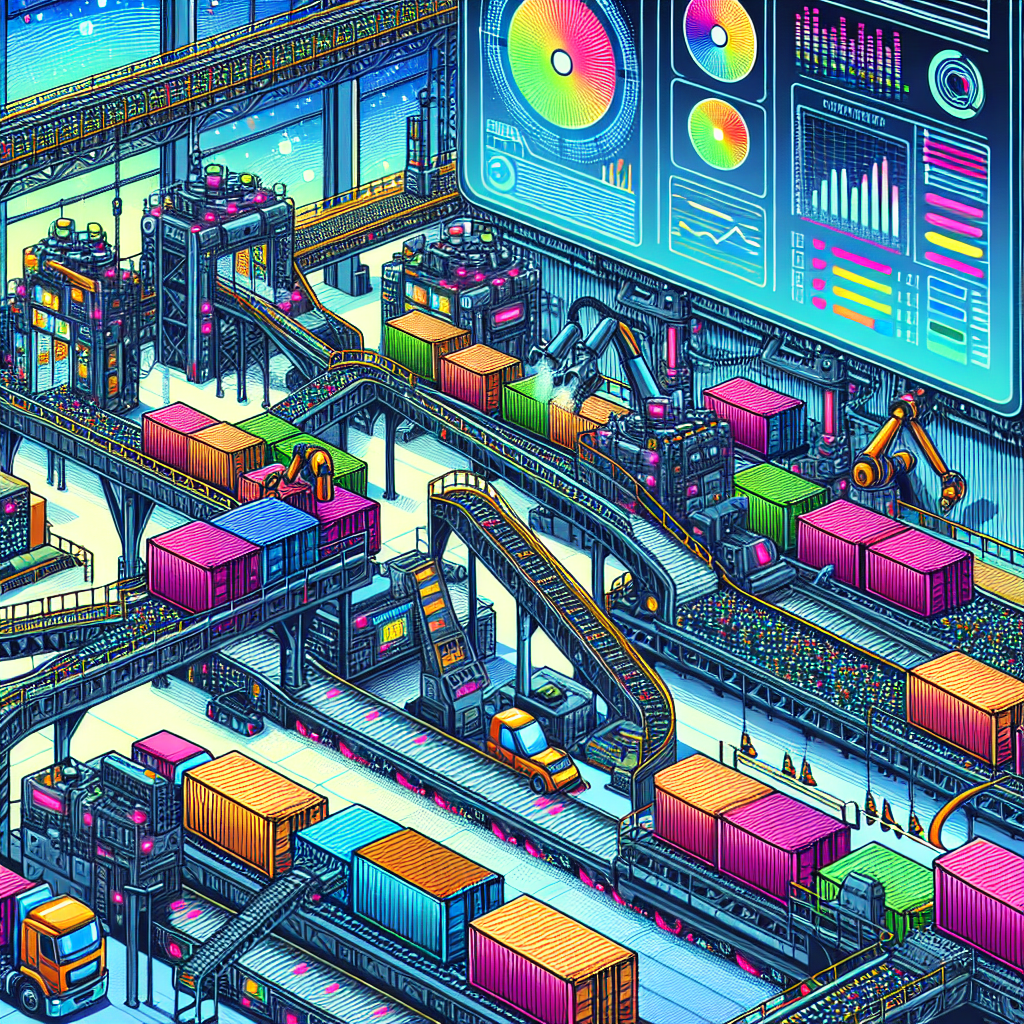
AI-Powered Solutions for Cross-Docking Operations
In the fast-paced world of logistics and supply chain management, cross-docking operations play a crucial role in ensuring the efficient movement of goods from one point to another. Cross-docking involves unloading incoming shipments from one transport vehicle and loading them directly onto outbound vehicles with minimal storage time in between. This process helps to streamline operations, reduce handling costs, and improve overall efficiency.
With the advancement of technology, artificial intelligence (AI) has emerged as a powerful tool for optimizing cross-docking operations. AI-powered solutions can help businesses automate and streamline various aspects of the cross-docking process, leading to increased productivity, reduced costs, and improved customer satisfaction. In this article, we will explore some of the key AI-powered solutions for cross-docking operations and their benefits.
1. Automated Scheduling and Routing
One of the key challenges in cross-docking operations is efficiently scheduling and routing incoming and outgoing shipments. AI-powered solutions can analyze historical data, real-time information, and various factors such as transportation costs, delivery time windows, and capacity constraints to optimize scheduling and routing decisions. By automating this process, businesses can minimize delays, reduce transportation costs, and improve overall efficiency.
2. Predictive Analytics
Predictive analytics is another powerful AI-powered solution that can help businesses optimize cross-docking operations. By analyzing historical data and patterns, predictive analytics can forecast demand, identify potential bottlenecks, and predict potential issues before they occur. This allows businesses to proactively address issues, optimize resource allocation, and improve overall operational efficiency.
3. Inventory Management
Effective inventory management is crucial for successful cross-docking operations. AI-powered solutions can help businesses optimize inventory levels, track shipments in real-time, and automate the replenishment process. By using AI algorithms to analyze demand patterns, lead times, and inventory levels, businesses can minimize stockouts, reduce excess inventory, and improve overall inventory turnover.
4. Robotics and Automation
Robotics and automation technologies are revolutionizing the way cross-docking operations are conducted. AI-powered robots can be used to autonomously load and unload shipments, sort items, and transport goods within the warehouse. By automating repetitive tasks, businesses can reduce labor costs, improve accuracy, and increase overall operational efficiency.
5. Quality Control
AI-powered solutions can also help businesses improve quality control in cross-docking operations. By using computer vision and machine learning algorithms, businesses can automatically inspect incoming shipments for damage, incorrect labeling, and other quality issues. This helps businesses identify and address quality issues before they reach the customer, leading to improved customer satisfaction and reduced returns.
Benefits of AI-Powered Solutions for Cross-Docking Operations
There are several benefits of implementing AI-powered solutions for cross-docking operations, including:
1. Improved Efficiency: AI-powered solutions can help businesses automate and streamline various aspects of the cross-docking process, leading to improved operational efficiency and reduced handling costs.
2. Cost Savings: By optimizing scheduling, routing, inventory management, and quality control, businesses can reduce transportation costs, labor costs, and inventory holding costs.
3. Enhanced Customer Satisfaction: By improving operational efficiency, businesses can ensure on-time deliveries, reduce errors, and improve overall customer satisfaction.
4. Real-Time Visibility: AI-powered solutions provide businesses with real-time visibility into their cross-docking operations, allowing them to quickly identify and address issues as they arise.
5. Scalability: AI-powered solutions can easily scale to accommodate growing volumes of shipments and changing business requirements, ensuring that businesses can continue to operate efficiently as they grow.
FAQs
Q: How can AI-powered solutions help businesses optimize scheduling and routing in cross-docking operations?
A: AI-powered solutions can analyze historical data, real-time information, and various factors such as transportation costs, delivery time windows, and capacity constraints to optimize scheduling and routing decisions. By automating this process, businesses can minimize delays, reduce transportation costs, and improve overall efficiency.
Q: What are some of the key benefits of using predictive analytics in cross-docking operations?
A: Predictive analytics can help businesses forecast demand, identify potential bottlenecks, and predict potential issues before they occur. This allows businesses to proactively address issues, optimize resource allocation, and improve overall operational efficiency.
Q: How can AI-powered robots improve efficiency in cross-docking operations?
A: AI-powered robots can be used to autonomously load and unload shipments, sort items, and transport goods within the warehouse. By automating repetitive tasks, businesses can reduce labor costs, improve accuracy, and increase overall operational efficiency.
Q: How can AI-powered solutions improve quality control in cross-docking operations?
A: AI-powered solutions can automatically inspect incoming shipments for damage, incorrect labeling, and other quality issues using computer vision and machine learning algorithms. This helps businesses identify and address quality issues before they reach the customer, leading to improved customer satisfaction and reduced returns.
In conclusion, AI-powered solutions have the potential to revolutionize cross-docking operations by optimizing scheduling and routing, improving inventory management, automating tasks, enhancing quality control, and ultimately improving operational efficiency and customer satisfaction. Businesses that embrace AI technologies in their cross-docking operations can gain a competitive edge in today’s fast-paced logistics and supply chain environment.