
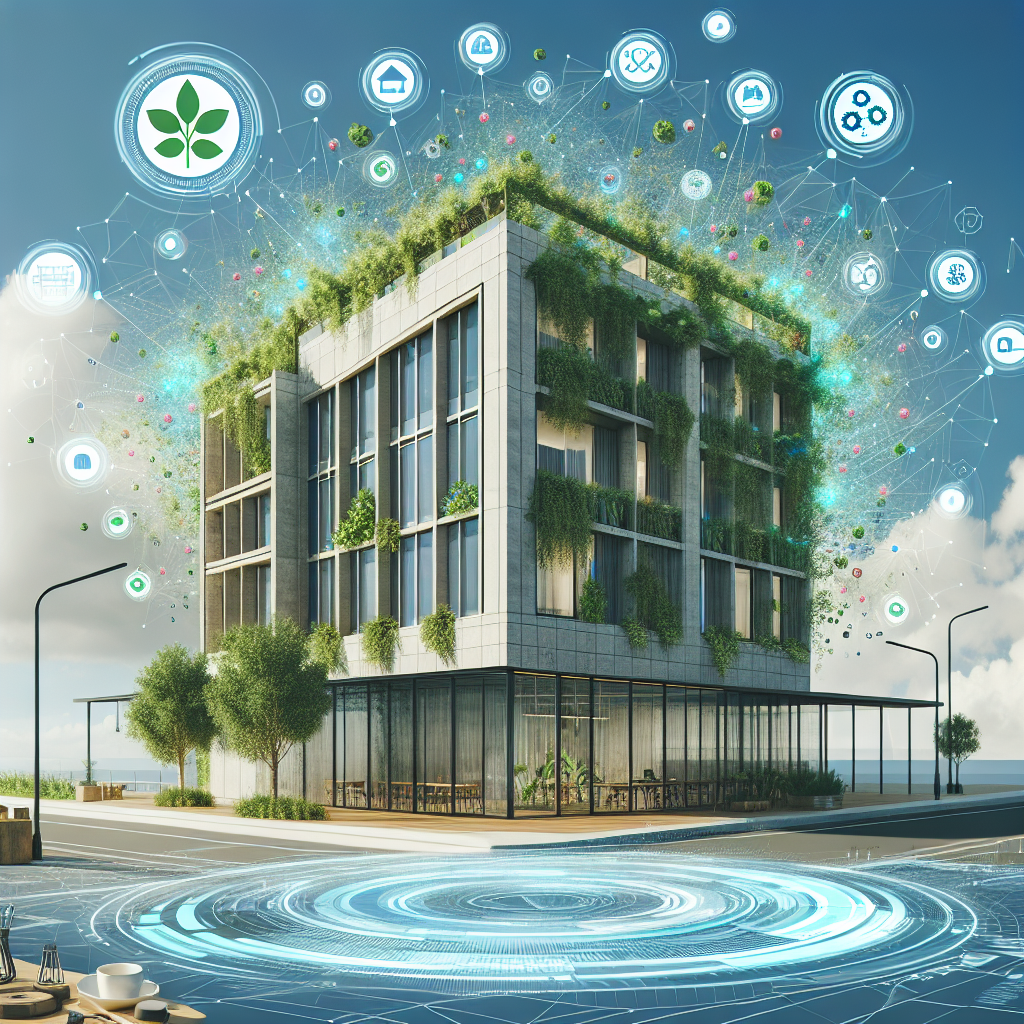
The Role of AI Software in Green Building Design
In recent years, there has been a growing emphasis on sustainable and environmentally friendly practices in the construction industry. Green building design, also known as sustainable building design, focuses on minimizing the environmental impact of buildings by using resources efficiently and reducing waste and pollution. One of the key tools that has been instrumental in advancing green building design is artificial intelligence (AI) software.
AI software is revolutionizing the way architects and designers approach building design by providing powerful tools for analyzing and optimizing various aspects of a building’s performance. From energy efficiency to material selection, AI software is helping to create buildings that are not only environmentally friendly but also more comfortable, healthy, and cost-effective.
Energy Efficiency
One of the main goals of green building design is to reduce energy consumption and minimize the carbon footprint of buildings. AI software plays a crucial role in achieving this goal by providing advanced energy modeling and simulation tools that can accurately predict a building’s energy use under different scenarios.
AI software can analyze factors such as building orientation, solar exposure, insulation levels, and HVAC systems to optimize energy performance. By simulating various design options, architects and designers can identify the most energy-efficient solutions that meet the requirements of the project.
In addition, AI software can also help in the design of smart building systems that can automatically adjust lighting, heating, and cooling based on occupancy levels and outside conditions. This not only reduces energy waste but also improves occupant comfort and productivity.
Material Selection
Another important aspect of green building design is the selection of sustainable materials that have minimal environmental impact. AI software can assist architects and designers in evaluating the environmental impact of different materials by providing life cycle assessment tools that consider factors such as resource extraction, manufacturing processes, transportation, and disposal.
By analyzing the environmental impact of materials, designers can make informed decisions about which materials to use in their projects. AI software can also help in identifying alternative materials that are more sustainable and have lower embodied carbon emissions.
Site Analysis
AI software can also be used to optimize the design of buildings in relation to their surrounding environment. By analyzing factors such as site topography, solar exposure, wind patterns, and vegetation, AI software can help in the placement and orientation of buildings to maximize natural light and ventilation, reduce energy consumption, and enhance the overall sustainability of the project.
FAQs
Q: How does AI software help in reducing construction waste in green building design?
A: AI software can assist in optimizing material usage by analyzing design specifications and construction processes to minimize waste. By accurately predicting material requirements and identifying opportunities for prefabrication and modular construction, AI software can help in reducing construction waste and improving overall efficiency.
Q: Can AI software help in achieving green building certifications such as LEED or BREEAM?
A: Yes, AI software can provide valuable insights and analysis to support the requirements of green building certifications such as LEED (Leadership in Energy and Environmental Design) or BREEAM (Building Research Establishment Environmental Assessment Method). By optimizing energy performance, material selection, and site analysis, AI software can help in meeting the criteria for these certifications.
Q: How accessible is AI software for architects and designers?
A: AI software is becoming more accessible to architects and designers through the development of user-friendly interfaces and cloud-based platforms. Many software companies are offering AI solutions that are tailored to the specific needs of the construction industry, making it easier for professionals to integrate AI technology into their design processes.
In conclusion, AI software is playing a vital role in advancing green building design by providing powerful tools for analyzing and optimizing various aspects of a building’s performance. From energy efficiency to material selection and site analysis, AI software is helping to create buildings that are sustainable, environmentally friendly, and cost-effective. As the technology continues to evolve, we can expect to see even greater advancements in green building design that will benefit both the environment and the occupants of buildings.