
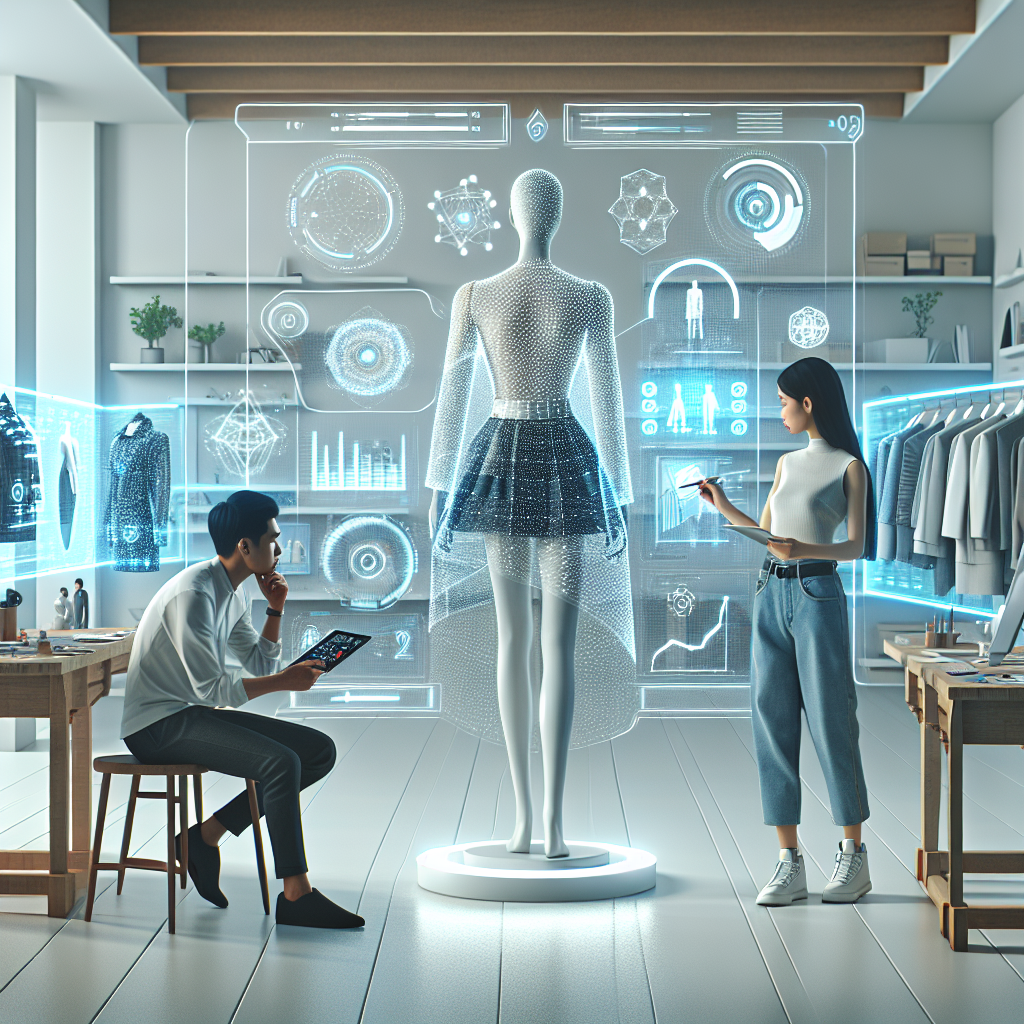
Fashion forecasting has long been a crucial aspect of the fashion industry, helping designers and brands anticipate trends and consumer preferences. Traditionally, this process has been carried out by human trend forecasters who rely on their intuition, creativity, and expertise to predict the next big thing in fashion. However, with the rapid advancements in artificial intelligence (AI) technology, there is a growing debate about the future of fashion forecasting: will AI algorithms eventually replace human intuition in predicting trends?
AI vs. Human Intuition: A Battle of Predictive Powers
AI technology has revolutionized many industries, including fashion. Machine learning algorithms can analyze vast amounts of data, such as social media trends, consumer behavior, and historical sales data, to identify patterns and make predictions about future trends. This data-driven approach to fashion forecasting is seen as more objective and accurate than human intuition, which can be influenced by personal biases and subjective interpretations.
On the other hand, human trend forecasters argue that AI algorithms lack the creativity, cultural awareness, and emotional intelligence that are essential for understanding and predicting trends in the ever-evolving fashion industry. They believe that human intuition, honed through years of experience and industry knowledge, is irreplaceable when it comes to forecasting the nuanced and complex trends that drive the fashion world.
The Future of Fashion Forecasting: Finding a Balance
While AI technology offers the potential for more accurate and data-driven fashion forecasting, many industry experts believe that the future lies in a hybrid approach that combines the strengths of both AI and human intuition. By leveraging AI algorithms to analyze data and identify patterns, human trend forecasters can then use their creativity and expertise to interpret these findings and make informed predictions about future trends.
This hybrid approach allows for a more holistic and nuanced understanding of fashion trends, taking into account both the objective data-driven insights provided by AI and the subjective and creative interpretations of human trend forecasters. By combining the predictive powers of AI with the intuition and expertise of human forecasters, fashion brands can make more informed decisions about product development, marketing strategies, and overall business direction.
FAQs:
Q: Will AI completely replace human trend forecasters in the fashion industry?
A: While AI technology has the potential to revolutionize fashion forecasting, many industry experts believe that human intuition and creativity are irreplaceable when it comes to predicting trends in the ever-evolving fashion industry. A hybrid approach that combines the strengths of both AI and human trend forecasters is likely to be the future of fashion forecasting.
Q: How can AI algorithms improve fashion forecasting?
A: AI algorithms can analyze vast amounts of data, such as social media trends, consumer behavior, and historical sales data, to identify patterns and make predictions about future trends. This data-driven approach to fashion forecasting can provide more objective and accurate insights into consumer preferences and market trends.
Q: What are the limitations of AI in fashion forecasting?
A: AI algorithms lack the creativity, cultural awareness, and emotional intelligence that are essential for understanding and predicting trends in the fashion industry. While AI can analyze data and identify patterns, human trend forecasters are better equipped to interpret these findings and make informed predictions based on their intuition and expertise.
Q: How can fashion brands leverage AI technology in their forecasting efforts?
A: Fashion brands can leverage AI technology to analyze data and identify patterns that can inform their product development, marketing strategies, and overall business direction. By incorporating AI algorithms into their forecasting efforts, brands can make more informed decisions about future trends and consumer preferences.
In conclusion, the future of fashion forecasting lies in finding a balance between AI technology and human intuition. By combining the predictive powers of AI algorithms with the creativity and expertise of human trend forecasters, fashion brands can make more informed decisions about trends and consumer preferences. As the fashion industry continues to evolve, the collaboration between AI and human intuition will be essential in staying ahead of the curve and predicting the next big thing in fashion.