
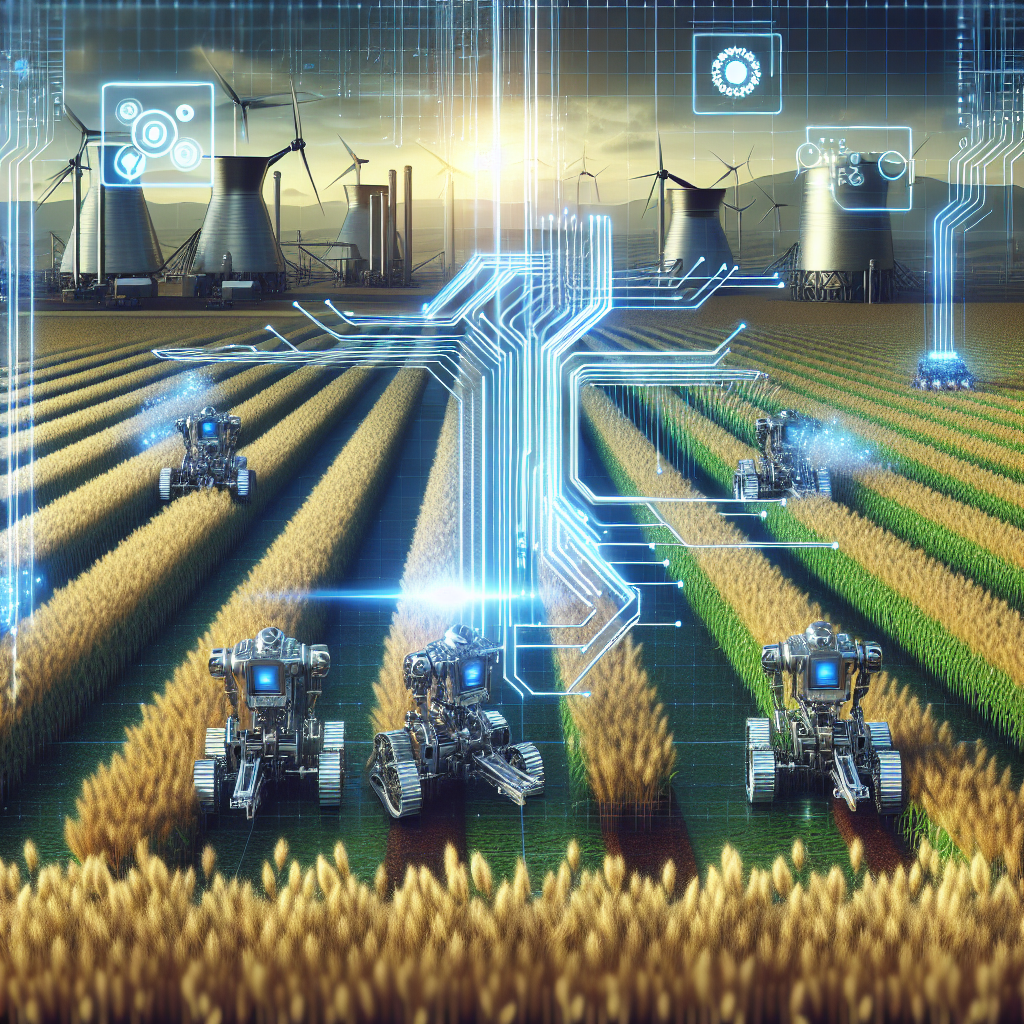
As technology continues to advance, the integration of artificial intelligence (AI) in various industries is becoming more prevalent. One area where AI is increasingly being utilized is in autonomous agricultural systems. These systems use AI algorithms to automate and optimize various tasks in farming, such as planting, irrigation, and harvesting. While the use of AI in agriculture has the potential to increase efficiency, productivity, and sustainability, there are also risks associated with its implementation in autonomous agricultural systems.
One of the main risks of using AI in autonomous agricultural systems is the potential for errors or malfunctions. AI algorithms are not infallible and can make mistakes, especially when faced with unforeseen circumstances or changes in the environment. For example, if the AI system controlling a harvesting robot misinterprets a signal or encounters a new obstacle in the field, it could result in damage to crops or equipment.
Another risk of AI in autonomous agricultural systems is the potential for cybersecurity threats. As these systems become more interconnected and reliant on data from sensors, drones, and other devices, they become more vulnerable to cyberattacks. Hackers could potentially gain access to the AI algorithms controlling these systems, leading to disruptions in operations, theft of sensitive data, or even sabotage.
Furthermore, the use of AI in autonomous agricultural systems raises ethical concerns. For example, there are questions about the impact of automation on farm labor and rural communities. As more tasks become automated, there is the potential for job displacement and economic hardship for farm workers who may no longer be needed. Additionally, there are concerns about data privacy and ownership, as AI systems collect and analyze vast amounts of data about farms and crops.
In addition to these risks, there are also environmental concerns associated with the use of AI in autonomous agricultural systems. While AI has the potential to optimize resource use and reduce waste, there is the risk that these systems could inadvertently harm ecosystems or contribute to environmental degradation. For example, if AI algorithms are not properly calibrated, they could lead to overuse of pesticides or water, which could have negative impacts on soil health and water quality.
Despite these risks, there are steps that can be taken to mitigate them and ensure the responsible use of AI in autonomous agricultural systems. For example, robust cybersecurity measures should be implemented to protect these systems from cyberattacks. Additionally, AI algorithms should be regularly updated and tested to ensure their accuracy and reliability. Farmers and agricultural companies should also consider the ethical implications of using AI in their operations and work to address any concerns related to job displacement or data privacy.
Overall, the integration of AI in autonomous agricultural systems holds great promise for the future of farming. By leveraging the power of AI to optimize operations and improve sustainability, farmers can increase their productivity and profitability. However, it is important to be aware of the risks associated with AI in agriculture and take proactive steps to address them.
FAQs:
Q: How can AI benefit autonomous agricultural systems?
A: AI can benefit autonomous agricultural systems by optimizing tasks such as planting, irrigation, and harvesting, increasing efficiency and productivity, reducing waste, and improving sustainability.
Q: What are the risks of using AI in autonomous agricultural systems?
A: The risks of using AI in autonomous agricultural systems include errors or malfunctions, cybersecurity threats, ethical concerns, and environmental impacts.
Q: How can farmers mitigate the risks of using AI in autonomous agricultural systems?
A: Farmers can mitigate the risks of using AI in autonomous agricultural systems by implementing robust cybersecurity measures, regularly updating and testing AI algorithms, considering the ethical implications of automation, and taking steps to address environmental concerns.