
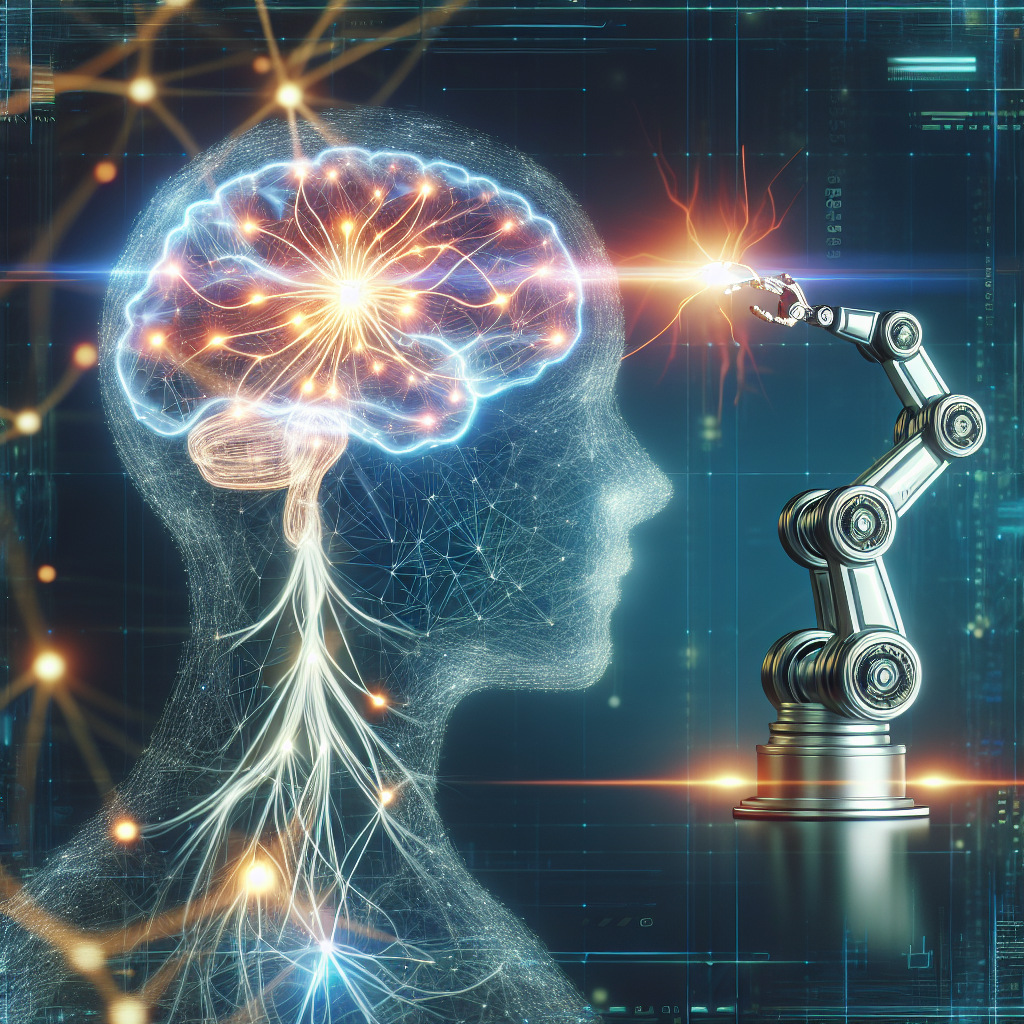
Artificial Intelligence (AI) has become increasingly prevalent in many aspects of our lives, including robotics. The use of AI tools in robotics has revolutionized the way robots are designed and utilized, leading to more advanced and efficient machines. In this article, we will explore the various ways in which AI is being integrated into robotics, as well as the benefits and challenges that come with this technology.
One of the key ways in which AI is being used in robotics is through machine learning algorithms. These algorithms enable robots to learn from their experiences and improve their performance over time. For example, a robot can be trained to recognize objects and navigate its environment using machine learning techniques. This allows robots to adapt to changing conditions and perform tasks more effectively.
Another important application of AI in robotics is in the field of computer vision. Computer vision technology allows robots to perceive and interpret the world around them using cameras and sensors. By integrating AI algorithms into computer vision systems, robots can identify objects, track movement, and make decisions based on visual information. This enables robots to perform tasks such as object recognition, navigation, and manipulation with greater accuracy and efficiency.
AI is also being used to enhance the autonomy of robots. Autonomous robots are able to operate independently, without human intervention, in a variety of environments. AI algorithms can help robots make decisions in real-time, adapt to new situations, and learn from their experiences. This allows robots to perform complex tasks in dynamic and unpredictable environments, such as search and rescue missions, exploration of hazardous environments, and delivery of goods and services.
In addition to improving the performance of robots, AI tools are also being used to enhance human-robot interaction. Natural language processing technology enables robots to understand and respond to human commands, making it easier for people to communicate with and control robots. This is particularly useful in settings such as healthcare, where robots can assist with patient care and rehabilitation.
Despite the many benefits of using AI tools in robotics, there are also challenges that come with this technology. One of the main challenges is ensuring the safety and reliability of AI-powered robots. As robots become more autonomous and capable of making decisions on their own, there is a greater risk of errors or malfunctions that could lead to accidents or harm to humans. Ensuring the safety of AI-powered robots requires careful design, testing, and validation of the algorithms and systems that control them.
Another challenge is the ethical implications of using AI in robotics. As robots become more intelligent and autonomous, there are concerns about their impact on society, including issues related to privacy, security, and job displacement. It is important for developers and policymakers to consider these ethical implications and develop guidelines and regulations to ensure that AI-powered robots are used responsibly and ethically.
In conclusion, the use of AI tools in robotics has the potential to transform the way we interact with machines and the world around us. By integrating AI algorithms into robots, we can create more intelligent, autonomous, and capable machines that can perform a wide range of tasks with greater efficiency and precision. While there are challenges that come with using AI in robotics, such as safety, reliability, and ethical concerns, the benefits of this technology are clear. As AI continues to advance, we can expect to see more innovative and sophisticated robots that will shape the future of robotics.
FAQs:
Q: What are some examples of AI-powered robots?
A: Some examples of AI-powered robots include autonomous drones, robotic vacuum cleaners, self-driving cars, and industrial robots used in manufacturing and logistics.
Q: How is AI used in robotics?
A: AI is used in robotics through machine learning algorithms, computer vision technology, and natural language processing, among other techniques. These AI tools enable robots to learn, perceive, and interact with their environment in intelligent ways.
Q: What are the benefits of using AI in robotics?
A: The benefits of using AI in robotics include improved performance, greater autonomy, enhanced human-robot interaction, and increased efficiency. AI-powered robots can perform tasks more effectively and adapt to changing conditions with greater accuracy.
Q: What are the challenges of using AI in robotics?
A: Some of the challenges of using AI in robotics include ensuring safety and reliability, addressing ethical concerns, and managing the impact on society, such as job displacement. Developers and policymakers must address these challenges to ensure the responsible use of AI-powered robots.