
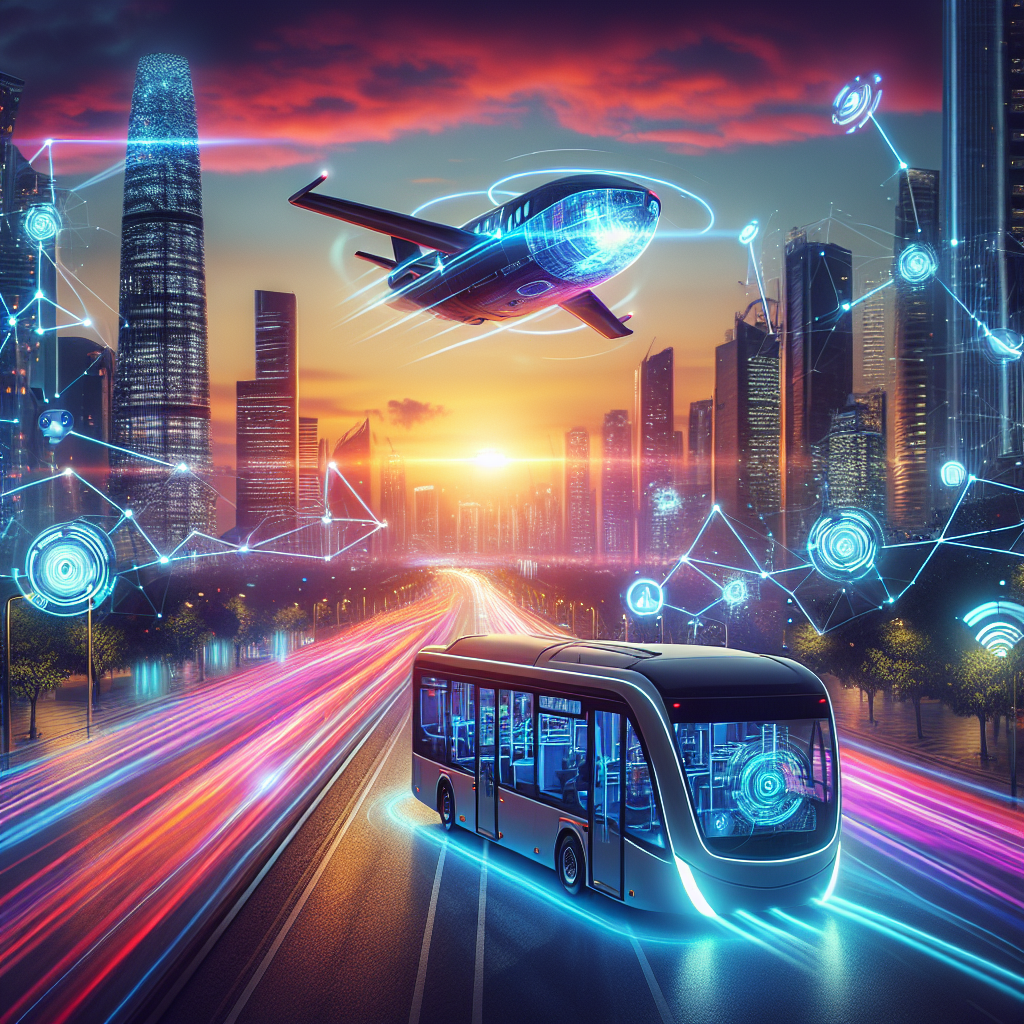
As technology continues to advance, the transportation industry is also evolving. One of the most exciting developments in this field is the introduction of autonomous buses and shuttles. These vehicles are equipped with artificial intelligence (AI) technology that allows them to operate without the need for a human driver. In this article, we will explore the role of AI in autonomous buses and shuttles, as well as the impact these vehicles are having on the transportation industry.
The Role of AI in Autonomous Buses and Shuttles
AI plays a crucial role in the operation of autonomous buses and shuttles. These vehicles are equipped with a variety of sensors, cameras, and other technologies that allow them to navigate their surroundings and make decisions in real-time. AI algorithms analyze data from these sensors to detect obstacles, traffic signs, pedestrians, and other vehicles on the road. This information is used to plan the vehicle’s route and make decisions about acceleration, braking, and steering.
One of the key benefits of AI in autonomous buses and shuttles is safety. These vehicles are designed to operate more safely than traditional buses and shuttles, which are often driven by human operators who can make mistakes or become fatigued. AI technology allows autonomous vehicles to react quickly to changing road conditions and avoid accidents.
Another important role of AI in autonomous buses and shuttles is efficiency. These vehicles are equipped with advanced routing algorithms that can optimize the vehicle’s route based on traffic conditions, passenger demand, and other factors. This can help reduce travel times, improve the passenger experience, and reduce operating costs for transportation providers.
In addition to safety and efficiency, AI technology also plays a role in passenger comfort and convenience. Autonomous buses and shuttles can be equipped with features such as climate control, entertainment systems, and Wi-Fi connectivity to enhance the passenger experience. AI algorithms can also be used to predict passenger demand and optimize service schedules to ensure that vehicles are available when and where they are needed.
Impact on the Transportation Industry
The introduction of autonomous buses and shuttles is having a significant impact on the transportation industry. These vehicles have the potential to revolutionize public transportation by providing a safer, more efficient, and more convenient alternative to traditional buses and shuttles. Autonomous vehicles are also expected to reduce traffic congestion, improve air quality, and reduce the need for parking spaces in urban areas.
One of the key benefits of autonomous buses and shuttles is their potential to reduce the number of accidents on the road. According to the National Highway Traffic Safety Administration, human error is a factor in over 90% of all traffic accidents. By eliminating the need for human drivers, autonomous vehicles have the potential to significantly reduce the number of accidents and fatalities on the road.
Autonomous buses and shuttles also have the potential to improve the efficiency of public transportation systems. These vehicles can operate 24/7 without the need for breaks or rest periods, allowing transportation providers to offer more frequent service to passengers. Autonomous vehicles can also be used to provide on-demand transportation services, allowing passengers to request a ride at any time of day or night.
In addition to safety and efficiency, autonomous buses and shuttles can also help reduce the environmental impact of transportation. These vehicles are typically electric or hybrid-powered, which means they produce fewer emissions than traditional buses and shuttles. By reducing the number of vehicles on the road and optimizing routes, autonomous vehicles can help reduce traffic congestion and improve air quality in urban areas.
FAQs
Q: How do autonomous buses and shuttles navigate their surroundings?
A: Autonomous buses and shuttles are equipped with a variety of sensors, cameras, and other technologies that allow them to detect obstacles, traffic signs, pedestrians, and other vehicles on the road. AI algorithms analyze data from these sensors to plan the vehicle’s route and make decisions about acceleration, braking, and steering.
Q: Are autonomous buses and shuttles safe?
A: Autonomous buses and shuttles are designed to operate more safely than traditional buses and shuttles. AI technology allows these vehicles to react quickly to changing road conditions and avoid accidents. Autonomous vehicles have the potential to significantly reduce the number of accidents on the road.
Q: How do autonomous buses and shuttles improve efficiency?
A: Autonomous buses and shuttles are equipped with advanced routing algorithms that can optimize the vehicle’s route based on traffic conditions, passenger demand, and other factors. This can help reduce travel times, improve the passenger experience, and reduce operating costs for transportation providers.
Q: What impact do autonomous buses and shuttles have on the environment?
A: Autonomous buses and shuttles are typically electric or hybrid-powered, which means they produce fewer emissions than traditional buses and shuttles. By reducing the number of vehicles on the road and optimizing routes, autonomous vehicles can help reduce traffic congestion and improve air quality in urban areas.
In conclusion, AI technology is playing a crucial role in the development of autonomous buses and shuttles. These vehicles have the potential to revolutionize public transportation by providing a safer, more efficient, and more convenient alternative to traditional buses and shuttles. The impact of autonomous buses and shuttles on the transportation industry is significant, with benefits including improved safety, efficiency, and environmental sustainability. As this technology continues to evolve, we can expect to see even more innovations in the field of autonomous transportation.