
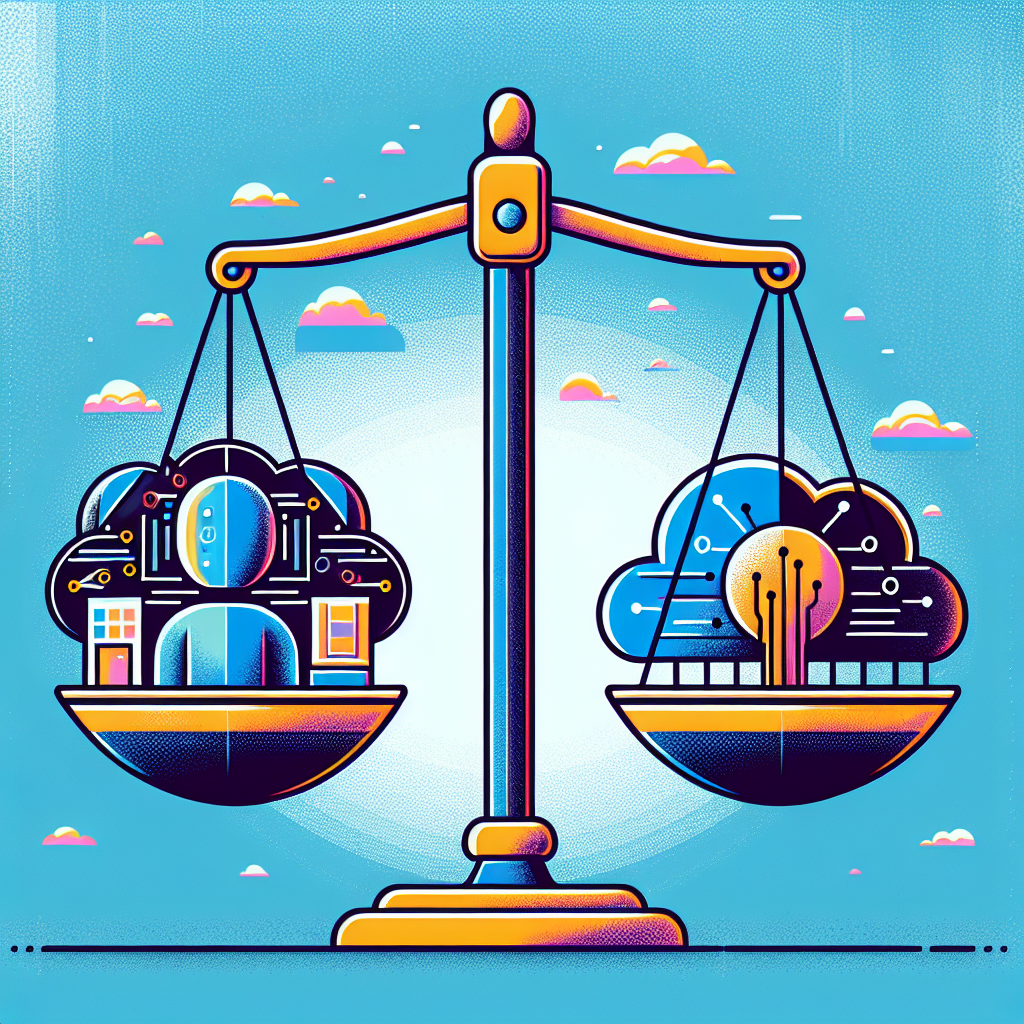
Artificial Intelligence (AI) has revolutionized many industries, including education. Autonomous educational systems powered by AI have the potential to personalize learning experiences, streamline administrative tasks, and improve student outcomes. However, with the benefits of AI in education come risks that need to be carefully considered and mitigated.
One of the main risks of AI in autonomous educational systems is bias. AI algorithms are only as good as the data they are trained on, and if the data is biased, the AI system will perpetuate and even exacerbate that bias. For example, if an AI system is trained on data that reflects societal stereotypes or prejudices, it may unintentionally discriminate against certain groups of students. This can have serious consequences, such as exacerbating existing inequalities in education.
Another risk of AI in autonomous educational systems is privacy concerns. AI systems collect and analyze vast amounts of data about students, including their academic performance, behavior, and personal information. This data can be vulnerable to hacking or misuse, putting students’ privacy at risk. In addition, there is the risk of data breaches, where sensitive information about students is leaked to unauthorized parties. This can have serious consequences for students, both in terms of their privacy and their academic progress.
Furthermore, there is the risk of over-reliance on AI in education. While AI can automate many tasks and processes, there is a danger of educators becoming too dependent on AI systems and losing sight of the human element in education. Teaching is a deeply human profession, and AI should be seen as a tool to support educators, not replace them. Over-reliance on AI can lead to a dehumanization of education, with students becoming mere data points to be analyzed and optimized, rather than individuals with unique learning needs and abilities.
Another risk of AI in autonomous educational systems is the lack of transparency and accountability. AI algorithms are often complex and opaque, making it difficult to understand how they arrive at their decisions. This lack of transparency can raise concerns about the fairness and reliability of AI systems in education. In addition, there is the risk of accountability, as it may be unclear who is responsible if an AI system makes a mistake or causes harm to students.
Despite these risks, there are steps that can be taken to mitigate the negative impacts of AI in autonomous educational systems. One way to address bias in AI systems is to diversify the data used to train the algorithms. By including a wide range of perspectives and experiences in the data, AI systems can be made more inclusive and less prone to bias. Additionally, regular audits and reviews of AI systems can help identify and address any bias that may exist.
In terms of privacy concerns, strict data protection policies and protocols should be put in place to safeguard students’ information. This includes encryption of data, secure storage practices, and clear consent mechanisms for collecting and using student data. Educators and administrators should also be trained on best practices for data security and privacy to ensure that student information is handled responsibly.
To prevent over-reliance on AI in education, it is important to emphasize the importance of human judgment and expertise in teaching. Educators should be encouraged to use AI as a tool to enhance their teaching practices, rather than replace them. This can include using AI to provide personalized learning experiences for students, automate administrative tasks, and analyze student data to identify areas for improvement. By striking a balance between AI and human input, educators can ensure that students receive a well-rounded and personalized education.
Transparency and accountability are also key factors in addressing the risks of AI in autonomous educational systems. Educators, administrators, and developers should strive to make AI systems more transparent and explainable, so that users can understand how decisions are made and why. In addition, clear lines of responsibility should be established to ensure that accountability for AI systems is clearly defined and upheld.
In conclusion, while AI has the potential to transform education for the better, there are risks that need to be carefully considered and managed. By addressing issues such as bias, privacy concerns, over-reliance, and lack of transparency and accountability, educators can harness the power of AI in autonomous educational systems while minimizing the negative impacts. With the right safeguards and practices in place, AI has the potential to revolutionize education and empower students to reach their full potential.
FAQs:
Q: How can bias in AI systems be addressed in autonomous educational systems?
A: Bias in AI systems can be addressed by diversifying the data used to train the algorithms, conducting regular audits and reviews of AI systems, and implementing measures to ensure fairness and inclusivity.
Q: What steps can be taken to protect student privacy in autonomous educational systems?
A: Steps to protect student privacy include implementing strict data protection policies and protocols, encrypting data, securing storage practices, obtaining clear consent for data collection and use, and training educators on best practices for data security.
Q: How can educators prevent over-reliance on AI in education?
A: Educators can prevent over-reliance on AI by using it as a tool to enhance their teaching practices, rather than replace them. This can include using AI to provide personalized learning experiences, automate administrative tasks, and analyze student data to identify areas for improvement.
Q: How can transparency and accountability be improved in AI systems in education?
A: Transparency and accountability in AI systems can be improved by making AI systems more explainable and transparent, establishing clear lines of responsibility, and ensuring that users understand how decisions are made and why.