
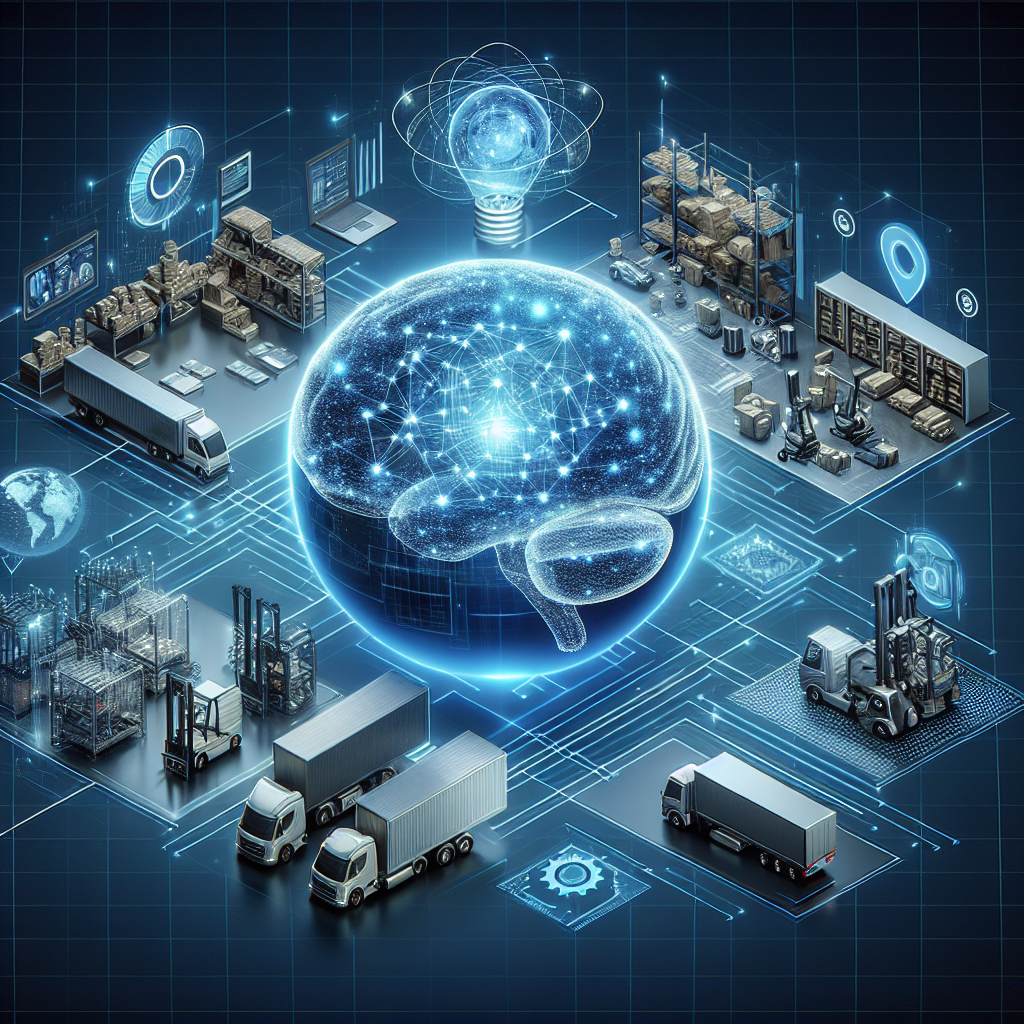
Artificial intelligence (AI) is revolutionizing industries across the board, and supply chain management is no exception. From inventory management to demand forecasting, AI is being used to streamline operations, reduce costs, and improve efficiency. In this article, we will explore the role of AI in supply chain management and how it is transforming the way businesses manage their supply chains.
AI in Inventory Management
One of the key areas where AI is making a significant impact in supply chain management is in inventory management. Traditionally, inventory management has been a manual and time-consuming process, often leading to overstocking or stockouts. AI technologies, such as machine learning algorithms, can analyze historical data, current trends, and external factors to predict demand more accurately. This allows companies to optimize their inventory levels, reduce carrying costs, and improve customer satisfaction.
AI in Demand Forecasting
Demand forecasting is another critical aspect of supply chain management that AI is helping to improve. By analyzing large amounts of data, such as sales figures, market trends, and customer behavior, AI algorithms can generate more accurate demand forecasts. This can help businesses better anticipate customer needs, plan production schedules, and optimize inventory levels. With AI-powered demand forecasting, businesses can reduce stockouts, minimize excess inventory, and improve overall supply chain efficiency.
AI in Logistics and Transportation
AI is also playing a significant role in optimizing logistics and transportation in supply chain management. AI technologies, such as route optimization algorithms and predictive maintenance systems, can help businesses streamline their transportation processes, reduce costs, and improve delivery times. By analyzing real-time data, AI can identify the most efficient routes for shipments, predict potential bottlenecks or delays, and optimize vehicle maintenance schedules. This can help businesses improve their supply chain operations, reduce transportation costs, and enhance customer satisfaction.
AI in Supplier Management
Supplier management is another area where AI is making a significant impact in supply chain management. By analyzing supplier performance data, market trends, and other external factors, AI algorithms can help businesses identify the best suppliers, negotiate better terms, and manage supplier relationships more effectively. This can help businesses reduce supply chain risks, improve supplier performance, and enhance overall supply chain resilience.
FAQs
Q: What are the benefits of using AI in supply chain management?
A: There are several benefits of using AI in supply chain management, including improved inventory management, more accurate demand forecasting, optimized logistics and transportation, enhanced supplier management, and overall cost savings.
Q: How can businesses implement AI in their supply chain management processes?
A: Businesses can implement AI in their supply chain management processes by investing in AI technologies, such as machine learning algorithms, predictive analytics tools, and AI-powered software platforms. They can also partner with AI vendors or consultants to develop custom AI solutions tailored to their specific supply chain needs.
Q: What are the challenges of using AI in supply chain management?
A: While AI offers many benefits in supply chain management, there are also challenges to consider, such as data quality issues, integration with existing systems, skills gap in AI expertise, and concerns about data privacy and security. Businesses need to address these challenges to maximize the value of AI in their supply chain operations.
In conclusion, AI is transforming the way businesses manage their supply chains, from inventory management to demand forecasting, logistics, and supplier management. By leveraging AI technologies, businesses can optimize their supply chain operations, reduce costs, and improve efficiency. As AI continues to evolve, it will play an increasingly critical role in shaping the future of supply chain management.