
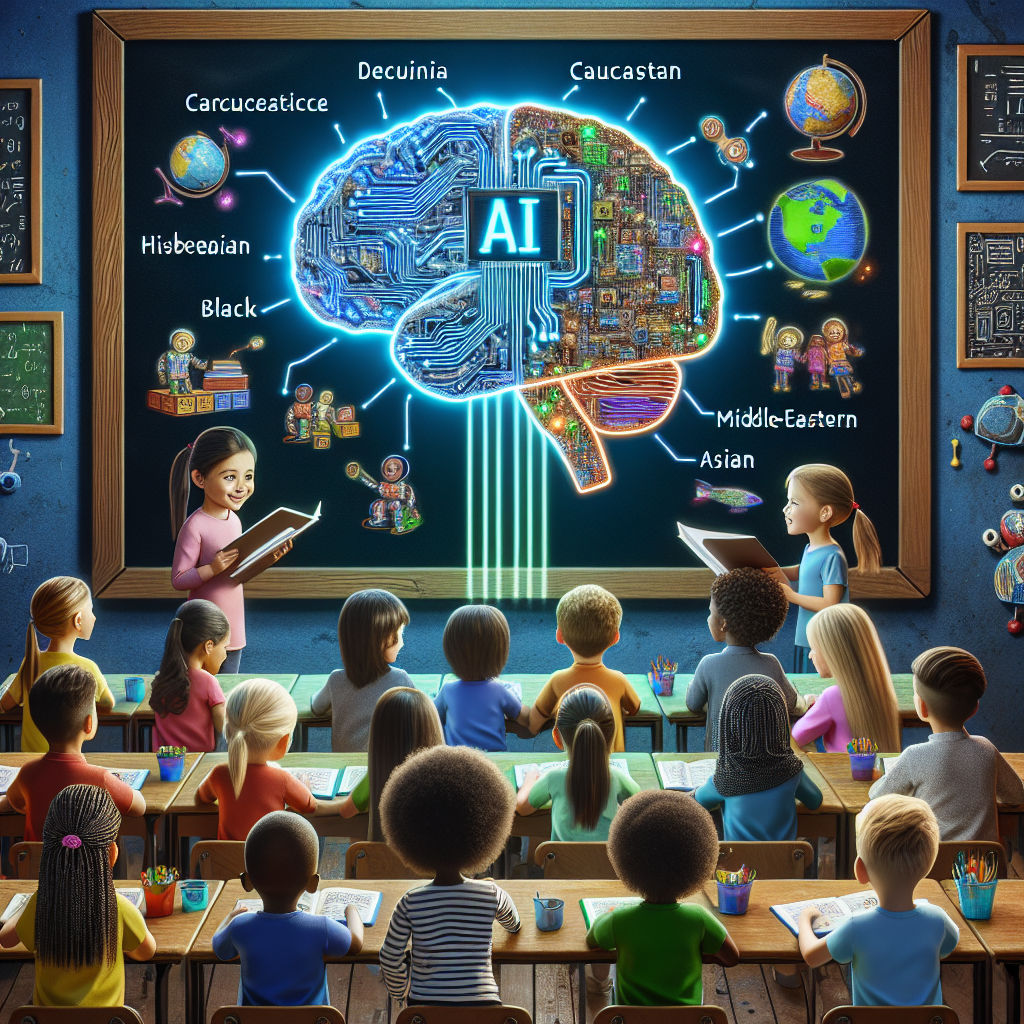
Artificial Intelligence (AI) has the potential to revolutionize education by promoting diversity and inclusion in classrooms around the world. Inclusive education aims to provide equal opportunities for all students, regardless of their background, abilities, or differences. AI technologies can help achieve this goal by personalizing learning experiences, providing individualized support, and promoting collaboration among students with diverse needs.
One of the key benefits of AI in inclusive education is its ability to provide personalized learning experiences for students. AI algorithms can analyze each student’s learning style, preferences, and abilities to create customized learning pathways. This allows students to learn at their own pace and in a way that suits their needs, leading to better outcomes for all learners. For example, AI-powered adaptive learning platforms can adjust the difficulty of tasks based on a student’s performance, ensuring that they are always challenged but not overwhelmed.
Furthermore, AI can provide individualized support for students with disabilities or special needs. For example, AI-powered assistive technologies can help students with visual impairments to access educational materials through text-to-speech or image recognition software. Similarly, AI can provide real-time feedback and guidance to students with learning difficulties, helping them to stay on track and reach their full potential.
Another benefit of AI in inclusive education is its ability to promote collaboration and communication among students with diverse backgrounds and abilities. AI-powered tools such as virtual classrooms, online discussion forums, and collaborative projects can bring students together regardless of their physical location or differences. This not only fosters a sense of community and belonging but also helps students to develop essential skills such as teamwork, communication, and problem-solving.
In addition to personalized learning, individualized support, and collaboration, AI can also help educators to identify and address biases and inequalities in the education system. By analyzing data on student performance, attendance, and engagement, AI algorithms can flag potential issues such as disparities in achievement among different groups of students. This information can help educators to implement targeted interventions and support strategies to ensure that all students have equal opportunities to succeed.
Despite the many benefits of AI in inclusive education, there are also challenges and concerns that need to be addressed. One of the main concerns is the potential for bias in AI algorithms, which can perpetuate existing inequalities and stereotypes. For example, if an AI system is trained on data that is biased towards a certain group of students, it may provide inaccurate or unfair recommendations for other students. To address this issue, it is essential to ensure that AI algorithms are trained on diverse and inclusive datasets and regularly audited for bias.
Another challenge is the digital divide, which refers to the unequal access to technology and internet connectivity among students from different socioeconomic backgrounds. In order to ensure that AI technologies benefit all students, regardless of their resources or location, it is important to invest in infrastructure and provide support for students who may not have access to the necessary tools and resources.
Despite these challenges, the potential of AI in inclusive education is vast. By harnessing the power of AI to personalize learning experiences, provide individualized support, promote collaboration, and address biases and inequalities, we can create a more inclusive and equitable education system for all students.
FAQs:
Q: How can AI personalize learning experiences for students?
A: AI algorithms can analyze each student’s learning style, preferences, and abilities to create customized learning pathways. This allows students to learn at their own pace and in a way that suits their needs, leading to better outcomes for all learners.
Q: How can AI provide individualized support for students with disabilities?
A: AI-powered assistive technologies can help students with disabilities to access educational materials through text-to-speech or image recognition software. AI can also provide real-time feedback and guidance to students with learning difficulties, helping them to stay on track and reach their full potential.
Q: How can AI promote collaboration among students with diverse backgrounds?
A: AI-powered tools such as virtual classrooms, online discussion forums, and collaborative projects can bring students together regardless of their physical location or differences. This fosters a sense of community and helps students to develop essential skills such as teamwork and communication.
Q: What are some of the challenges of using AI in inclusive education?
A: Some challenges include the potential for bias in AI algorithms, the digital divide in access to technology, and the need to ensure that AI technologies benefit all students, regardless of their resources or location. Addressing these challenges requires careful planning, investment, and ongoing monitoring of AI systems.
In conclusion, AI has the potential to transform education by promoting diversity and inclusion in classrooms around the world. By harnessing the power of AI to personalize learning experiences, provide individualized support, promote collaboration, and address biases and inequalities, we can create a more inclusive and equitable education system for all students. It is essential to address challenges such as bias in AI algorithms and the digital divide to ensure that AI technologies benefit all students, regardless of their background or abilities. With careful planning, investment, and ongoing monitoring, AI can help to create a more inclusive and diverse educational environment for all learners.