
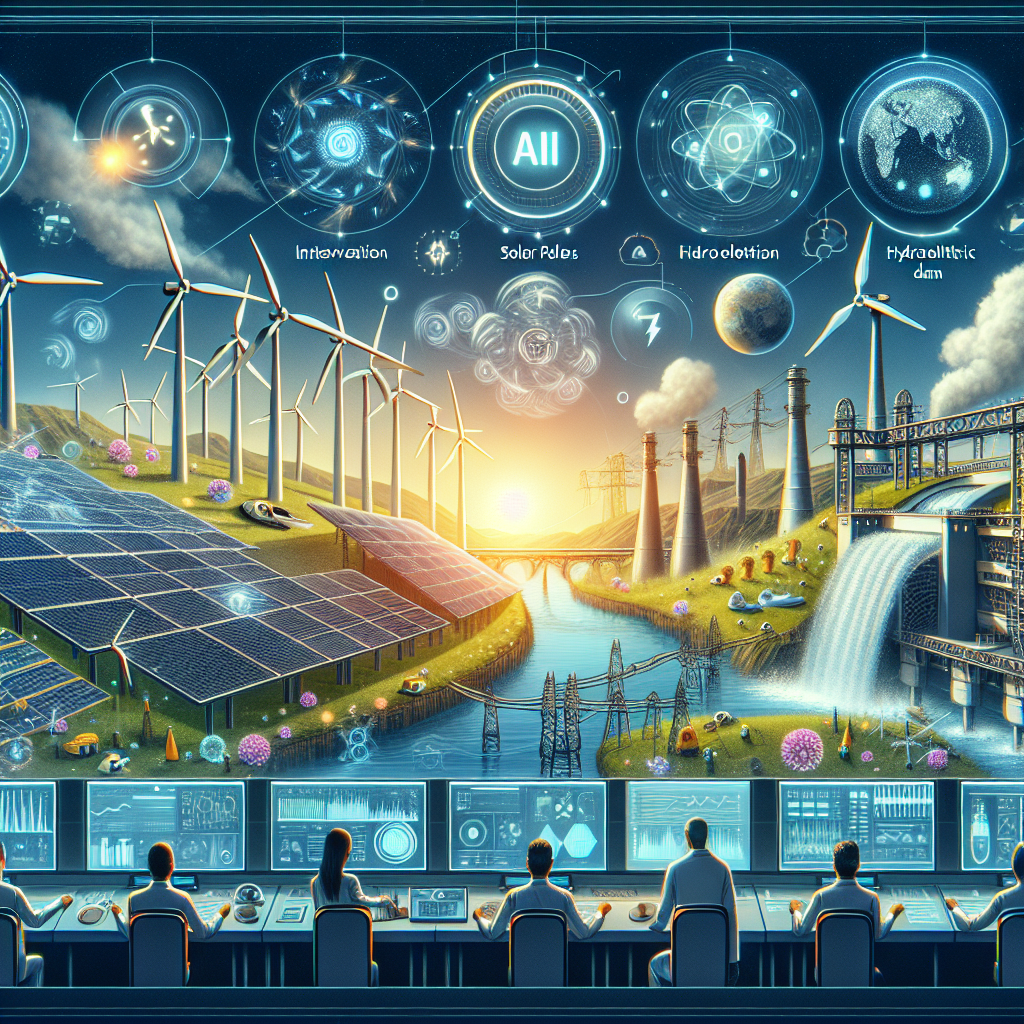
In recent years, there has been a growing interest in the use of artificial intelligence (AI) in the renewable energy sector. AI has the potential to revolutionize the way we generate, distribute, and consume energy, making renewable energy sources more efficient, reliable, and cost-effective. In this article, we will provide a comprehensive overview of AI applications in renewable energy, exploring how AI is being used in various aspects of the renewable energy sector and discussing the potential benefits and challenges of integrating AI into renewable energy systems.
AI Applications in Renewable Energy
AI can be applied in a wide range of applications in the renewable energy sector, from optimizing the performance of renewable energy systems to improving energy management and grid stability. Some of the key AI applications in renewable energy include:
1. Solar Energy: AI can be used to optimize the design and operation of solar photovoltaic (PV) systems, improving energy generation and reducing costs. AI algorithms can analyze data from sensors and weather forecasts to predict solar irradiance levels and adjust the orientation of solar panels to maximize energy output. AI can also be used to detect faults and anomalies in solar PV systems, helping to improve system reliability and maintenance.
2. Wind Energy: AI can be used to optimize the operation of wind turbines, improving energy generation and reducing downtime. AI algorithms can analyze wind speed and direction data to predict wind conditions and adjust the pitch and yaw of wind turbines to maximize energy output. AI can also be used to detect faults and anomalies in wind turbines, helping to improve system reliability and maintenance.
3. Energy Storage: AI can be used to optimize the operation of energy storage systems, such as batteries and pumped hydro storage. AI algorithms can analyze energy demand and generation data to predict energy storage requirements and optimize charging and discharging schedules. AI can also be used to extend the lifespan of energy storage systems by optimizing operating conditions and reducing degradation.
4. Grid Management: AI can be used to optimize the operation of the electric grid, improving grid stability and reliability. AI algorithms can analyze data from sensors and smart meters to predict energy demand and generation patterns and optimize the dispatch of renewable energy sources and energy storage systems. AI can also be used to detect and mitigate grid disturbances and outages, improving system resilience and response times.
5. Energy Forecasting: AI can be used to improve the accuracy of energy forecasting, helping to optimize energy generation and consumption. AI algorithms can analyze historical data and weather forecasts to predict energy demand and generation patterns, helping to optimize the operation of renewable energy systems and reduce costs. AI can also be used to predict energy prices and market trends, helping to optimize energy trading and revenue generation.
Benefits of AI in Renewable Energy
There are several benefits of using AI in renewable energy systems, including:
1. Improved Efficiency: AI can optimize the performance of renewable energy systems, improving energy generation and reducing costs. By analyzing data and making real-time decisions, AI can maximize the efficiency of renewable energy systems and reduce waste.
2. Enhanced Reliability: AI can detect faults and anomalies in renewable energy systems, helping to improve system reliability and maintenance. By monitoring system performance and predicting failures, AI can prevent downtime and reduce repair costs.
3. Cost Savings: AI can reduce operating costs and improve the return on investment of renewable energy systems. By optimizing energy generation, storage, and grid management, AI can reduce energy costs and increase revenue generation.
4. Environmental Benefits: AI can help to reduce greenhouse gas emissions and mitigate the impacts of climate change. By optimizing the operation of renewable energy systems, AI can increase the penetration of clean energy sources and reduce reliance on fossil fuels.
Challenges of AI in Renewable Energy
While there are many benefits to using AI in renewable energy systems, there are also some challenges that need to be addressed, including:
1. Data Quality: AI algorithms rely on high-quality data to make accurate predictions and decisions. In the renewable energy sector, data quality can be a challenge due to the variability and complexity of energy generation and consumption patterns. Improving data collection and management practices is essential to ensure the effectiveness of AI in renewable energy systems.
2. Model Interpretability: AI algorithms can be complex and difficult to interpret, making it challenging to understand how decisions are made. In the renewable energy sector, it is important to develop transparent and explainable AI models to build trust and confidence in the technology.
3. Integration Complexity: Integrating AI into existing renewable energy systems can be complex and challenging. It requires expertise in AI, renewable energy, and grid management, as well as collaboration between different stakeholders and organizations. Developing standards and guidelines for AI integration in renewable energy systems can help to streamline the process and ensure successful implementation.
4. Regulatory and Policy Framework: AI in renewable energy systems raises important ethical, legal, and social issues that need to be addressed. It is important to develop regulations and policies that ensure the responsible and ethical use of AI in renewable energy systems, protecting user privacy and data security.
FAQs
Q: How can AI improve the efficiency of solar PV systems?
A: AI can optimize the design and operation of solar PV systems by analyzing data from sensors and weather forecasts to predict solar irradiance levels and adjust the orientation of solar panels to maximize energy output. AI can also be used to detect faults and anomalies in solar PV systems, improving system reliability and maintenance.
Q: How can AI optimize the operation of wind turbines?
A: AI algorithms can analyze wind speed and direction data to predict wind conditions and adjust the pitch and yaw of wind turbines to maximize energy output. AI can also be used to detect faults and anomalies in wind turbines, improving system reliability and maintenance.
Q: How can AI improve the operation of energy storage systems?
A: AI can optimize the operation of energy storage systems by analyzing energy demand and generation data to predict energy storage requirements and optimize charging and discharging schedules. AI can also be used to extend the lifespan of energy storage systems by optimizing operating conditions and reducing degradation.
Q: How can AI enhance grid management in the renewable energy sector?
A: AI can optimize the operation of the electric grid by analyzing data from sensors and smart meters to predict energy demand and generation patterns and optimize the dispatch of renewable energy sources and energy storage systems. AI can also be used to detect and mitigate grid disturbances and outages, improving system resilience and response times.
In conclusion, AI has the potential to transform the renewable energy sector by optimizing energy generation, storage, and grid management, improving efficiency, reliability, and cost-effectiveness. While there are challenges to overcome, such as data quality, model interpretability, integration complexity, and regulatory frameworks, the benefits of using AI in renewable energy systems are significant. By harnessing the power of AI, we can accelerate the transition to a clean and sustainable energy future.