
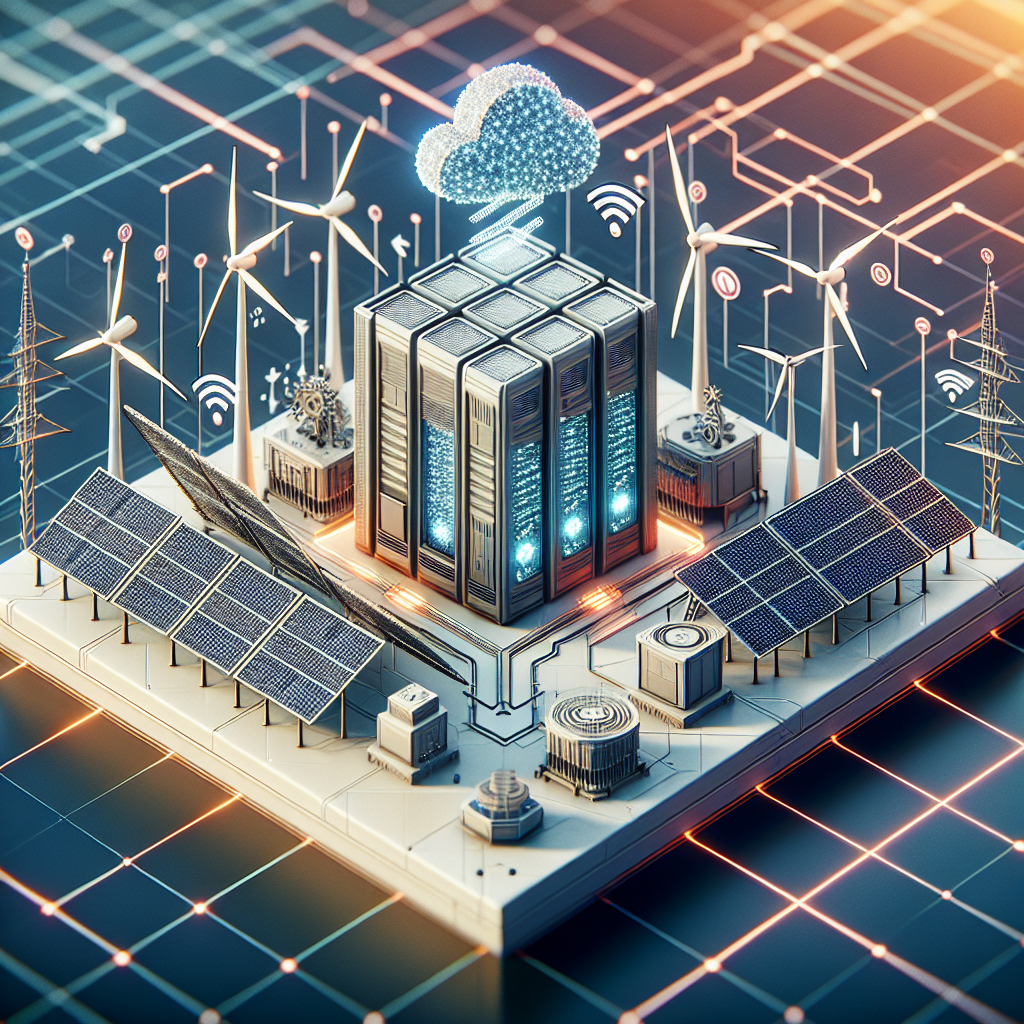
In recent years, there has been a growing emphasis on the need to transition to renewable energy sources in order to combat climate change and reduce our reliance on fossil fuels. Renewable energy sources such as solar, wind, and hydro power have the potential to provide clean and sustainable energy for the future. However, one of the challenges facing widespread adoption of renewable energy is the need to improve efficiency and reliability of these systems.
Artificial intelligence (AI) technology has emerged as a powerful tool in enhancing the efficiency of renewable energy systems. By leveraging AI algorithms and machine learning techniques, renewable energy systems can be optimized to maximize energy production, reduce downtime, and improve overall performance. In this article, we will explore how AI technology is being used to enhance renewable energy efficiency and address some common questions about this exciting field.
How AI is Improving Renewable Energy Efficiency
AI technology is being used in a variety of ways to improve the efficiency of renewable energy systems. One of the key areas where AI is making an impact is in the optimization of energy production. AI algorithms can analyze vast amounts of data from renewable energy systems, such as solar panels or wind turbines, to identify patterns and trends that can be used to optimize energy production. By adjusting parameters such as the angle of solar panels or the speed of wind turbines, AI algorithms can ensure that renewable energy systems are operating at peak efficiency.
Another way that AI is improving renewable energy efficiency is through predictive maintenance. By analyzing data from sensors and other monitoring devices, AI algorithms can predict when components of renewable energy systems are likely to fail and schedule maintenance before a breakdown occurs. This can help to reduce downtime and ensure that renewable energy systems are operating at maximum efficiency.
AI technology is also being used to improve the forecasting of renewable energy production. By analyzing historical data and current weather conditions, AI algorithms can provide more accurate forecasts of how much energy will be produced by solar panels or wind turbines. This can help energy grid operators better manage the integration of renewable energy into the grid and reduce the need for backup power sources.
Overall, AI technology is playing a crucial role in enhancing the efficiency of renewable energy systems. By optimizing energy production, improving predictive maintenance, and enhancing forecasting, AI is helping to make renewable energy more reliable and cost-effective.
Common Questions about AI and Renewable Energy Efficiency
Q: How is AI being used to optimize energy production in renewable energy systems?
A: AI algorithms can analyze data from renewable energy systems to identify patterns and trends that can be used to optimize energy production. By adjusting parameters such as the angle of solar panels or the speed of wind turbines, AI algorithms can ensure that renewable energy systems are operating at peak efficiency.
Q: How is AI improving predictive maintenance in renewable energy systems?
A: AI algorithms can analyze data from sensors and other monitoring devices to predict when components of renewable energy systems are likely to fail. By scheduling maintenance before a breakdown occurs, AI can help to reduce downtime and ensure that renewable energy systems are operating at maximum efficiency.
Q: How is AI enhancing the forecasting of renewable energy production?
A: By analyzing historical data and current weather conditions, AI algorithms can provide more accurate forecasts of how much energy will be produced by solar panels or wind turbines. This can help energy grid operators better manage the integration of renewable energy into the grid and reduce the need for backup power sources.
Q: What are some of the benefits of using AI technology in renewable energy systems?
A: Some of the benefits of using AI technology in renewable energy systems include increased energy production, reduced downtime, improved reliability, and more accurate forecasting. AI can help to make renewable energy systems more cost-effective and sustainable in the long run.
Q: Are there any challenges to implementing AI technology in renewable energy systems?
A: While AI technology has the potential to greatly enhance the efficiency of renewable energy systems, there are some challenges to implementation. These include the need for large amounts of data for training AI algorithms, the high cost of AI technology, and the need for skilled personnel to develop and maintain AI systems.
In conclusion, AI technology is playing a crucial role in enhancing the efficiency of renewable energy systems. By optimizing energy production, improving predictive maintenance, and enhancing forecasting, AI is helping to make renewable energy more reliable and cost-effective. While there are challenges to implementing AI technology in renewable energy systems, the potential benefits are significant. As we continue to transition to renewable energy sources, AI will play an increasingly important role in ensuring that these systems are operating at peak efficiency.